Meghalaya Assembly Opposes Uranium Mining
Meghalaya opposes uranium mining, ore processing. State government to press Union Government for ban.
'%3E%3Crect%20width%3D'96'%20height%3D'96'%20fill%3D'%231A5276'%2F%3E%3Ccircle%20cx%3D'30'%20cy%3D'24'%20r%3D'44'%20fill%3D'%23fff'%20opacity%3D'.12'%2F%3E%3Ccircle%20cx%3D'60'%20cy%3D'74'%20r%3D'40'%20fill%3D'%23000'%20opacity%3D'.10'%2F%3E%3C%2Fg%3E%3Cg%20fill%3D'%23fff'%3E%3Cpath%20d%3D'M31%2041%20L48%2031%20L65%2041%20Z'%2F%3E%3Crect%20x%3D'33'%20y%3D'43'%20width%3D'4'%20height%3D'17'%2F%3E%3Crect%20x%3D'41'%20y%3D'43'%20width%3D'4'%20height%3D'17'%2F%3E%3Crect%20x%3D'51'%20y%3D'43'%20width%3D'4'%20height%3D'17'%2F%3E%3Crect%20x%3D'59'%20y%3D'43'%20width%3D'4'%20height%3D'17'%2F%3E%3Crect%20x%3D'30'%20y%3D'62'%20width%3D'36'%20height%3D'4'%20rx%3D'1'%2F%3E%3C%2Fg%3E%3C%2Fsvg%3E)
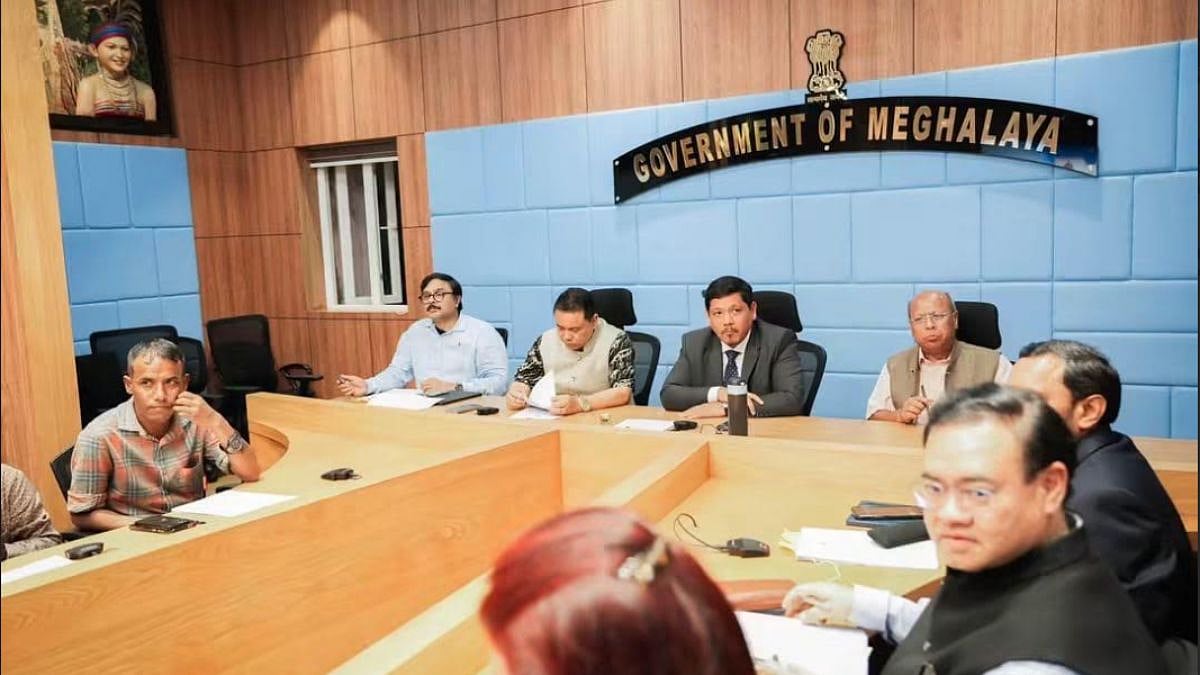
The Meghalaya Legislative Assembly has unanimously passed a Government Resolution opposing all uranium mining activities and ore processing facilities within the state.
The resolution was moved by Chief Minister Conrad K. Sangma, who stated that the state government would press the Union Government, the Department of Atomic Energy, and the Uranium Corporation of India Limited (UCIL) to enforce a complete and permanent bar on the exploration, extraction, and processing of uranium.
This includes the proposed Kylleng-Pyndengsohiong Mawthabah Uranium Mining Project. The resolution aims to make the position of the state government, Assembly, and public clear on an issue that has remained contentious for decades.
The resolution invokes the Sixth Schedule of the Indian Constitution and a Supreme Court judgment delivered on July 3, 2019. The court ruled that in Meghalaya, tribal private landowners and community owners have rights not only over the surface of the land but also the sub-soil and underlying minerals.
Referring to the judgment, Sangma said these constitutional protections were established to safeguard indigenous people and their ancestral lands, and that the state's natural resources remained under the ownership of its residents.
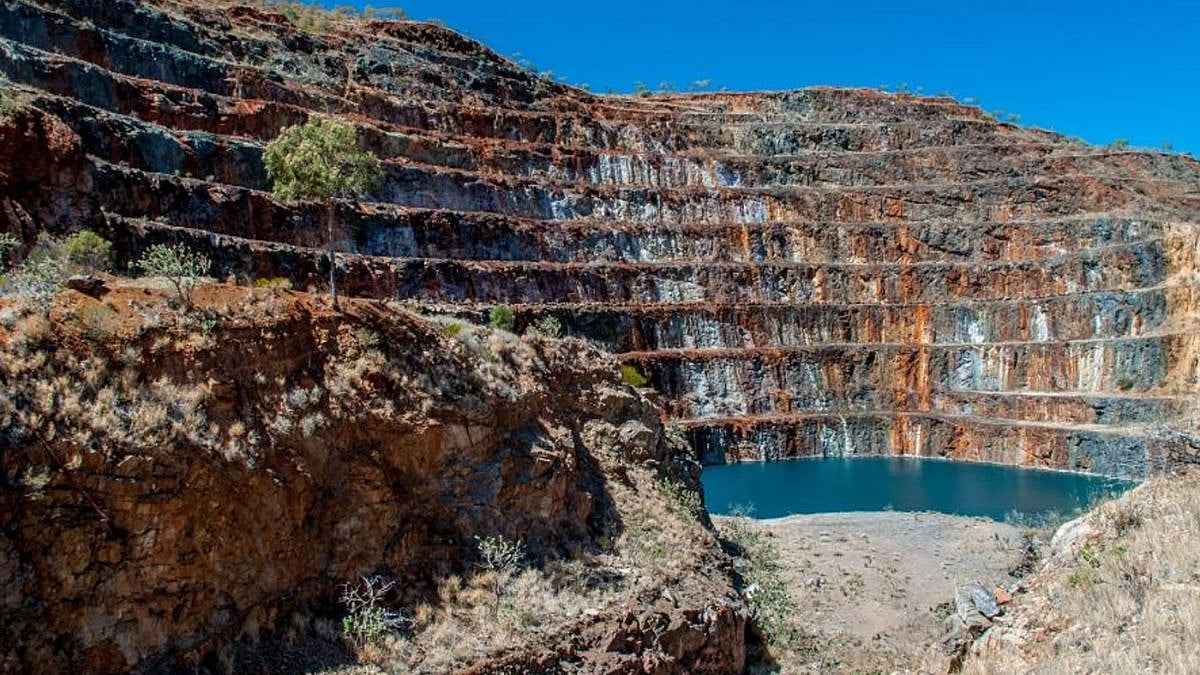
The resolution refers to known uranium deposits in the Domiasiat, Wahkyn, and Lostoin areas of the West Khasi Hills and South West Khasi Hills districts. Previous proposals envisaged open-cast mining operations along with on-site processing plants in these areas.
Sangma pointed to the environmental and ecological vulnerabilities of the deposit zones, saying they have steep, landslide-prone terrain and receive exceptionally heavy rainfall. The areas also form important catchment zones for local streams and major rivers that supply drinking water, support agriculture, sustain local fisheries, and rural livelihoods.
The resolution also records continued opposition to uranium mining from traditional institutions, Autonomous District Councils, student bodies, and civil society organisations. It states that the mandatory free, prior, and informed consent of affected local communities has never been obtained and that no uranium mining leases have been executed in the state.
The Assembly also referred to an Office Memorandum issued by the Ministry of Environment, Forest and Climate Change on September 8, 2025. The memorandum sought to exempt certain atomic mineral mining projects from public consultation requirements under the Environment Impact Assessment Notification of 2006.
The resolution further referred to recent public assurances made in Shillong by the Union Minister of State in charge of the Department of Atomic Energy that no final decision had been taken on mining operations in Meghalaya and that the matter was still under consideration.
In conclusion, the Meghalaya Assembly's unanimous opposition to uranium mining and ore processing is a significant development that highlights the state's commitment to protecting its natural resources and the rights of its indigenous people.
The state government's decision to press the Union Government for a ban on uranium mining is likely to have far-reaching implications for the environment, ecology, and livelihoods of the people of Meghalaya.
As the issue continues to unfold, it remains to be seen how the Union Government will respond to the state's demands and what the ultimate outcome will be for the people of Meghalaya.
Frequently asked questions
What is the Meghalaya Assembly's stance on uranium mining?
The Meghalaya Assembly has unanimously opposed uranium mining and ore processing within the state.
What is the state government's plan regarding uranium mining?
The state government will press the Union Government for a complete and permanent ban on uranium mining and ore processing.