Meghalaya Govt Reaches Consensus With KSU On Key Demands
Meghalaya Govt and KSU reach agreement, statewide agitation put on hold. Talks addressed five core demands.
'%3E%3Crect%20width%3D'96'%20height%3D'96'%20fill%3D'%231A5276'%2F%3E%3Ccircle%20cx%3D'30'%20cy%3D'24'%20r%3D'44'%20fill%3D'%23fff'%20opacity%3D'.12'%2F%3E%3Ccircle%20cx%3D'60'%20cy%3D'74'%20r%3D'40'%20fill%3D'%23000'%20opacity%3D'.10'%2F%3E%3C%2Fg%3E%3Cg%20fill%3D'%23fff'%3E%3Cpath%20d%3D'M31%2041%20L48%2031%20L65%2041%20Z'%2F%3E%3Crect%20x%3D'33'%20y%3D'43'%20width%3D'4'%20height%3D'17'%2F%3E%3Crect%20x%3D'41'%20y%3D'43'%20width%3D'4'%20height%3D'17'%2F%3E%3Crect%20x%3D'51'%20y%3D'43'%20width%3D'4'%20height%3D'17'%2F%3E%3Crect%20x%3D'59'%20y%3D'43'%20width%3D'4'%20height%3D'17'%2F%3E%3Crect%20x%3D'30'%20y%3D'62'%20width%3D'36'%20height%3D'4'%20rx%3D'1'%2F%3E%3C%2Fg%3E%3C%2Fsvg%3E)
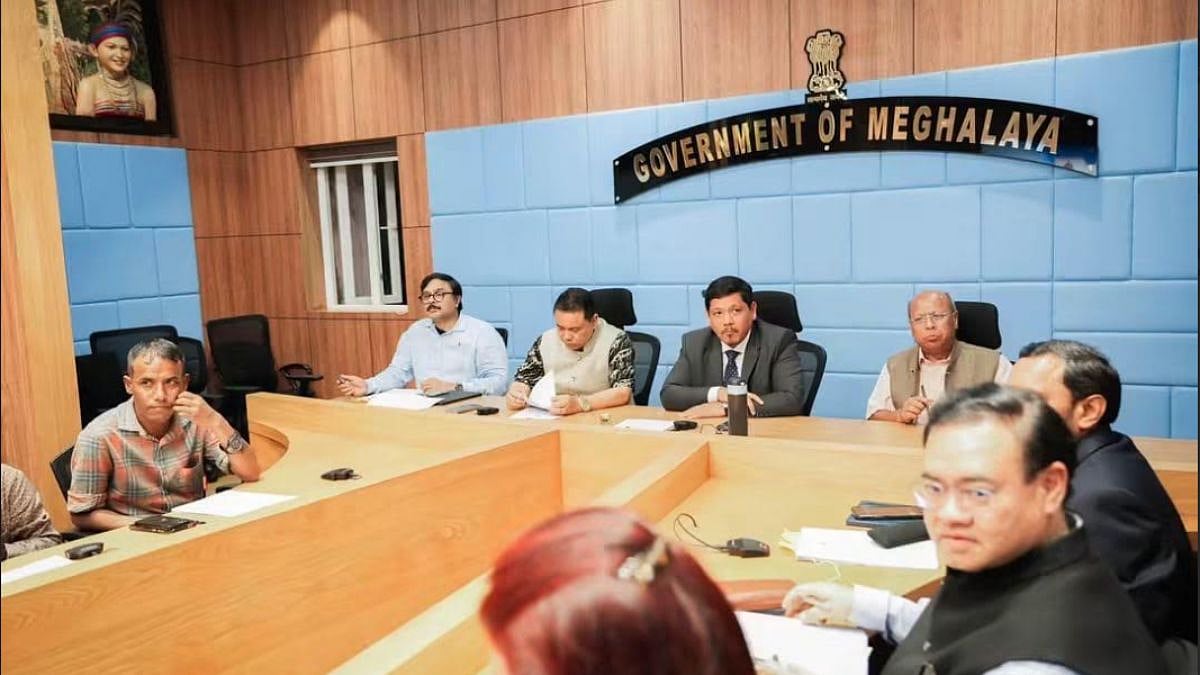
The Meghalaya Government and the Khasi Students' Union (KSU) have reached a consensus on key demands, resulting in the student body putting its statewide agitation on hold.
A high-level meeting was held on Wednesday, chaired by Chief Minister Conrad K. Sangma, Deputy Chief Ministers Sniawbhalang Dhar and Prestone Tynsong, and a KSU delegation led by former CEC President Lambokstarwell Marngar.
The talks addressed the union's five core demands, including the Shri Cement Project, Entry and Exit Check Gates, Migrant Worker Regulation, Recruitment Reforms, and NEIGRIHMS Issues.
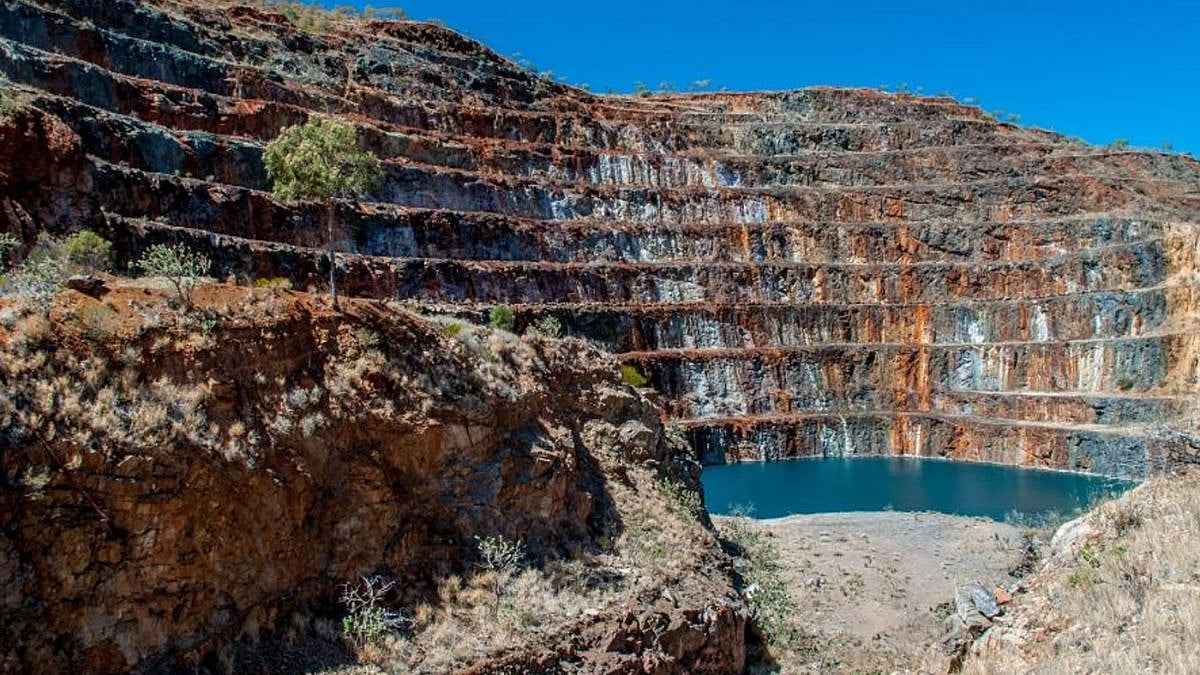
Regarding the Shri Cement Project, the state has ordered a complete status quo, halting all construction and operational activities. An independent fact-finding committee will be formed to probe the public hearing, stakeholder consultations, and environmental impacts.
For Entry and Exit Check Gates, the Umling facility will be developed into a dedicated facilitation centre, with efforts to secure land for additional centres at Ratacherra and Atiabari. A new mobile application will be introduced for facial and document scanning under MRSSA 2016.
The government has also agreed to amend the Meghalaya Identification, Registration, Safety and Security of Migrant Workers Act to integrate the CCTNS network for digital police verification within a month.
Recruitment Reforms will see personal interviews for Grade D posts scrapped, and interviews for Grade C non-technical posts will end on January 1, 2027. The government will also evaluate legal frameworks to restrict MPSC eligibility to state residents.
The Chief Minister has forwarded the union's grievances on NEIGRIHMS Issues to the Union Health Minister and pledged state logistical support for upcoming online examinations and computer labs.
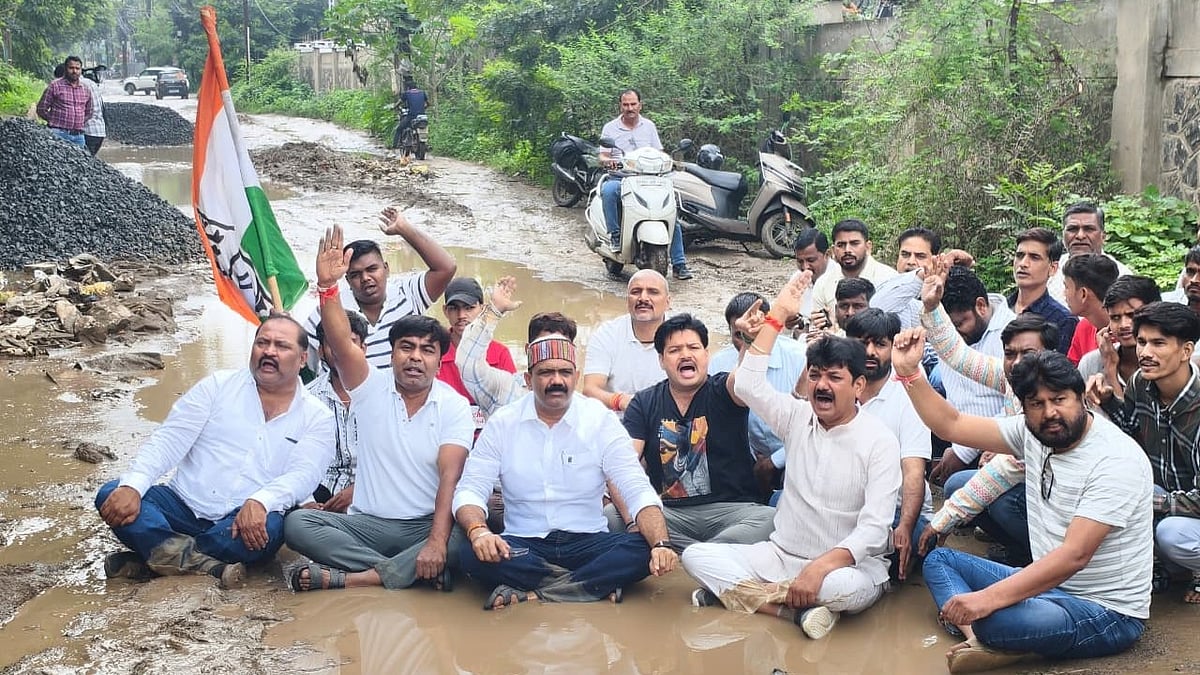
The KSU has adopted a wait-and-watch approach, contingent on these commitments being met. If any timelines are missed or if work on the Shri Cement project resumes prematurely, the temporary suspension of protests will immediately restart.
This development is significant for Meghalaya, as it indicates a willingness from the government to engage with and address the concerns of the student body. The outcome of these talks will be closely watched, as it has the potential to impact the state's social and economic landscape.
The Meghalaya Government's decision to reach a consensus with the KSU is a step towards resolving the ongoing agitation and restoring peace in the state. However, the success of this agreement depends on the government's ability to meet the agreed-upon timelines and commitments.
Only time will tell if this consensus will lead to a lasting resolution, but for now, it has brought a sense of relief and hope for the people of Meghalaya.
The state government's efforts to address the concerns of the KSU demonstrate its commitment to finding solutions through dialogue and negotiation. This approach is essential in resolving conflicts and promoting social harmony in the state.
In conclusion, the consensus reached between the Meghalaya Government and the KSU is a positive development, and its success will depend on the government's ability to fulfill its commitments. The people of Meghalaya will be watching closely, hoping that this agreement will bring lasting peace and stability to the state.
Frequently asked questions
What were the five core demands of the KSU?
The five core demands of the KSU included the Shri Cement Project, Entry and Exit Check Gates, Migrant Worker Regulation, Recruitment Reforms, and NEIGRIHMS Issues.
What will happen if the government misses any timelines or resumes work on the Shri Cement project?
If the government misses any timelines or resumes work on the Shri Cement project, the KSU will immediately restart its protests.