Shakespeare's Birthplace Saved from US Move
Shakespeare's home saved, US move prevented, thanks to public donations.
'%3E%3Crect%20width%3D'96'%20height%3D'96'%20fill%3D'%23B3261E'%2F%3E%3Ccircle%20cx%3D'30'%20cy%3D'24'%20r%3D'44'%20fill%3D'%23fff'%20opacity%3D'.12'%2F%3E%3Ccircle%20cx%3D'60'%20cy%3D'74'%20r%3D'40'%20fill%3D'%23000'%20opacity%3D'.10'%2F%3E%3C%2Fg%3E%3Cg%20fill%3D'%23fff'%3E%3Crect%20x%3D'29'%20y%3D'49'%20width%3D'8'%20height%3D'19'%20rx%3D'1'%2F%3E%3Crect%20x%3D'39'%20y%3D'40'%20width%3D'9'%20height%3D'28'%20rx%3D'1'%2F%3E%3Crect%20x%3D'50'%20y%3D'45'%20width%3D'8'%20height%3D'23'%20rx%3D'1'%2F%3E%3Crect%20x%3D'60'%20y%3D'53'%20width%3D'7'%20height%3D'15'%20rx%3D'1'%2F%3E%3Crect%20x%3D'41'%20y%3D'34'%20width%3D'5'%20height%3D'6'%2F%3E%3C%2Fg%3E%3C%2Fsvg%3E)
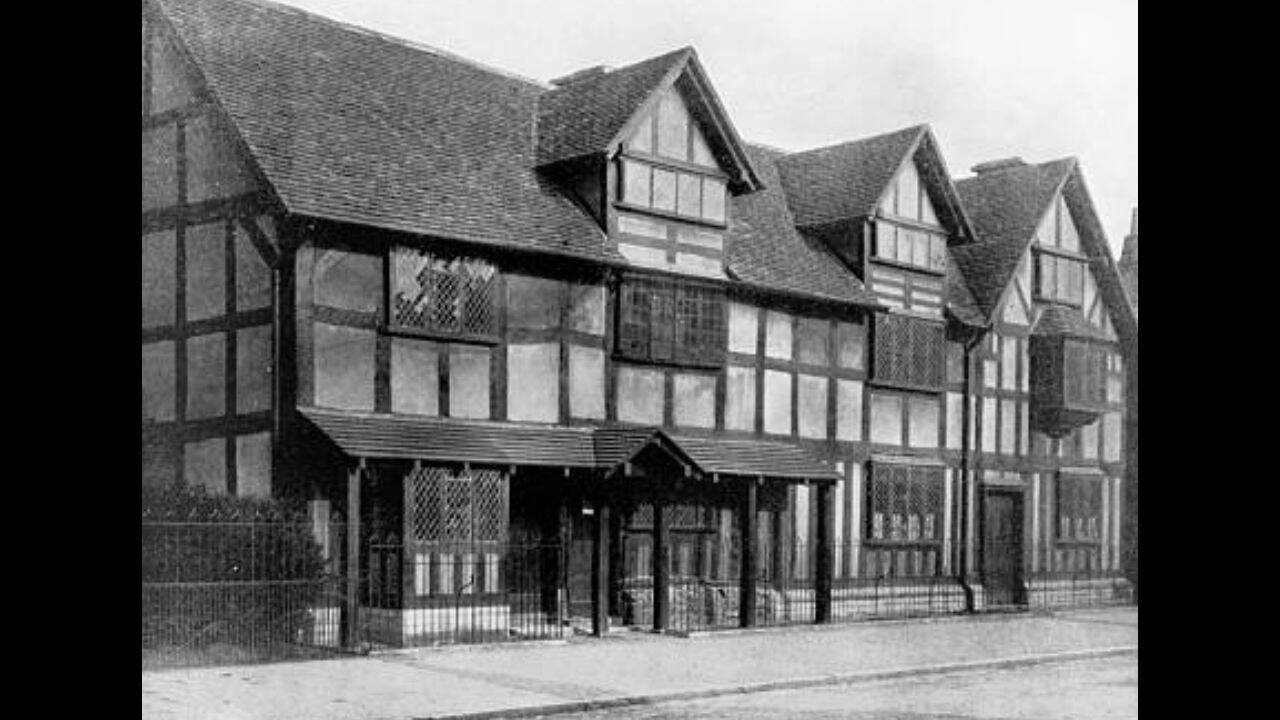
In the 1840s, Shakespeare's birthplace in Stratford-upon-Avon was under threat of being sold to American showman P.T. Barnum, who planned to relocate it to New York.
A committee was formed to save the historic site, and they rallied public support and donations from notable figures, including Prince Albert.
The committee's efforts paid off when they successfully acquired the house at auction in 1847 for £3,000, ensuring the preservation of this cultural landmark.
The birthplace of Shakespeare is a significant cultural and historical site, attracting visitors from all over the world.
The threat of its sale and potential relocation to the US sparked widespread concern and outrage, prompting the formation of the committee to save it.
The committee's campaign to save the site was successful, thanks to the generous donations and support from the public and notable figures.
The preservation of Shakespeare's birthplace is a testament to the power of public support and donations in saving cultural and historical landmarks.
The site has since been restored and maintained, and it continues to be a popular tourist destination, attracting visitors who come to pay homage to the famous playwright.
The successful acquisition of the house at auction in 1847 marked a significant milestone in the preservation of Shakespeare's birthplace, and it ensured that the site would remain in Stratford-upon-Avon for generations to come.
In conclusion, the saving of Shakespeare's birthplace from being shipped to the US is a significant event in cultural and historical preservation, and it highlights the importance of public support and donations in protecting our cultural heritage.
Frequently asked questions
What was the threat to Shakespeare's birthplace in the 1840s?
The threat was that it would be sold to American showman P.T. Barnum and relocated to New York.
How was Shakespeare's birthplace saved?
It was saved through public donations and support from notable figures, which enabled a committee to acquire the house at auction in 1847.