Air Filters Can Collect DNA Traces
Innovative technology detects wildlife and viruses. Groundbreaking method uses air filters.
'%3E%3Crect%20width%3D'96'%20height%3D'96'%20fill%3D'%23B3261E'%2F%3E%3Ccircle%20cx%3D'30'%20cy%3D'24'%20r%3D'44'%20fill%3D'%23fff'%20opacity%3D'.12'%2F%3E%3Ccircle%20cx%3D'60'%20cy%3D'74'%20r%3D'40'%20fill%3D'%23000'%20opacity%3D'.10'%2F%3E%3C%2Fg%3E%3Cg%20fill%3D'%23fff'%3E%3Crect%20x%3D'29'%20y%3D'49'%20width%3D'8'%20height%3D'19'%20rx%3D'1'%2F%3E%3Crect%20x%3D'39'%20y%3D'40'%20width%3D'9'%20height%3D'28'%20rx%3D'1'%2F%3E%3Crect%20x%3D'50'%20y%3D'45'%20width%3D'8'%20height%3D'23'%20rx%3D'1'%2F%3E%3Crect%20x%3D'60'%20y%3D'53'%20width%3D'7'%20height%3D'15'%20rx%3D'1'%2F%3E%3Crect%20x%3D'41'%20y%3D'34'%20width%3D'5'%20height%3D'6'%2F%3E%3C%2Fg%3E%3C%2Fsvg%3E)
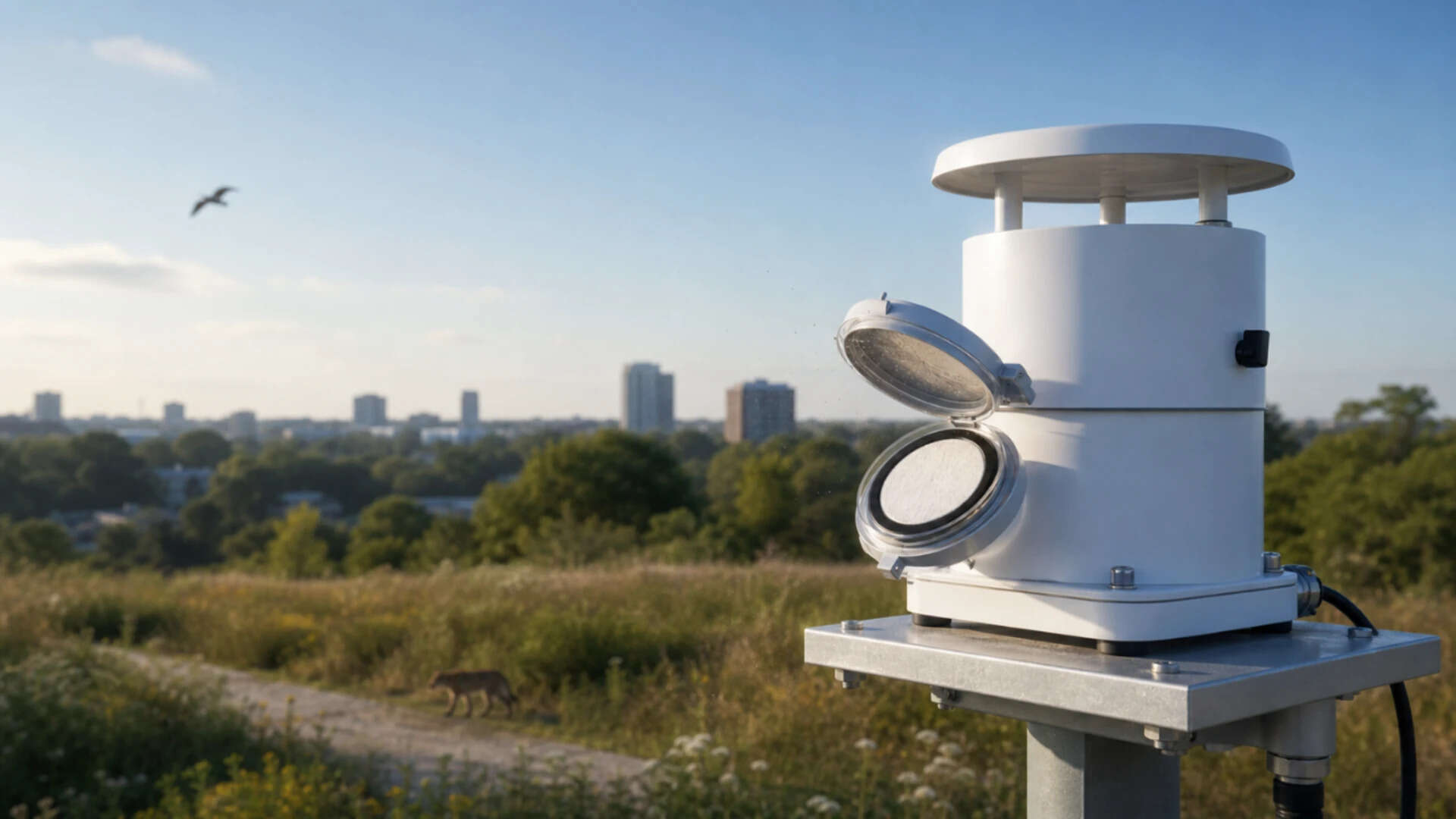
Scientists have made a significant breakthrough in developing a method to analyze airborne environmental DNA using standard air filters. This technology can detect local wildlife and monitor viruses without the need for direct observation.
The method utilizes existing national air pollution monitoring stations to harness essential biological data. By using advanced sequencing techniques, researchers can map entire ecosystems and explore genetic variations within species.
The technology has the potential to revolutionize the field of environmental monitoring and conservation. It can provide valuable insights into the presence and distribution of various species, as well as the spread of viruses and diseases.
The use of air filters to collect DNA traces is a non-invasive and cost-effective method. It can be used to monitor wildlife populations and track the movement of species over time. This information can be used to inform conservation efforts and develop effective management strategies.
The technology can also be used to monitor viruses and diseases. By analyzing the DNA present in the air, researchers can detect the presence of viruses and track their spread. This can help to identify potential outbreaks and develop strategies to prevent them.
The use of advanced sequencing techniques is a key component of this technology. These techniques allow researchers to analyze the DNA present in the air and identify the species that are present. This information can be used to map entire ecosystems and explore genetic variations within species.
The development of this technology has significant implications for conservation and environmental monitoring. It can provide valuable insights into the presence and distribution of various species, as well as the spread of viruses and diseases.
The technology is still in its early stages, but it has the potential to make a significant impact in the field of environmental monitoring and conservation. As it continues to develop, it is likely to become an important tool for researchers and conservationists.
In conclusion, the use of air filters to collect DNA traces is a groundbreaking technology that has the potential to revolutionize the field of environmental monitoring and conservation. It can provide valuable insights into the presence and distribution of various species, as well as the spread of viruses and diseases.
This breakthrough is significant for India, as it can help to inform conservation efforts and develop effective management strategies for the country's diverse wildlife and ecosystems. It can also help to identify potential outbreaks and develop strategies to prevent them, which is crucial for public health and safety.