Maharashtra Religious Act Sparks Civil Society Backlash
Civil groups oppose new law, citing threat to freedoms. Provisions spark controversy.
'%3E%3Crect%20width%3D'96'%20height%3D'96'%20fill%3D'%231A5276'%2F%3E%3Ccircle%20cx%3D'30'%20cy%3D'24'%20r%3D'44'%20fill%3D'%23fff'%20opacity%3D'.12'%2F%3E%3Ccircle%20cx%3D'60'%20cy%3D'74'%20r%3D'40'%20fill%3D'%23000'%20opacity%3D'.10'%2F%3E%3C%2Fg%3E%3Cg%20fill%3D'%23fff'%3E%3Cpath%20d%3D'M31%2041%20L48%2031%20L65%2041%20Z'%2F%3E%3Crect%20x%3D'33'%20y%3D'43'%20width%3D'4'%20height%3D'17'%2F%3E%3Crect%20x%3D'41'%20y%3D'43'%20width%3D'4'%20height%3D'17'%2F%3E%3Crect%20x%3D'51'%20y%3D'43'%20width%3D'4'%20height%3D'17'%2F%3E%3Crect%20x%3D'59'%20y%3D'43'%20width%3D'4'%20height%3D'17'%2F%3E%3Crect%20x%3D'30'%20y%3D'62'%20width%3D'36'%20height%3D'4'%20rx%3D'1'%2F%3E%3C%2Fg%3E%3C%2Fsvg%3E)
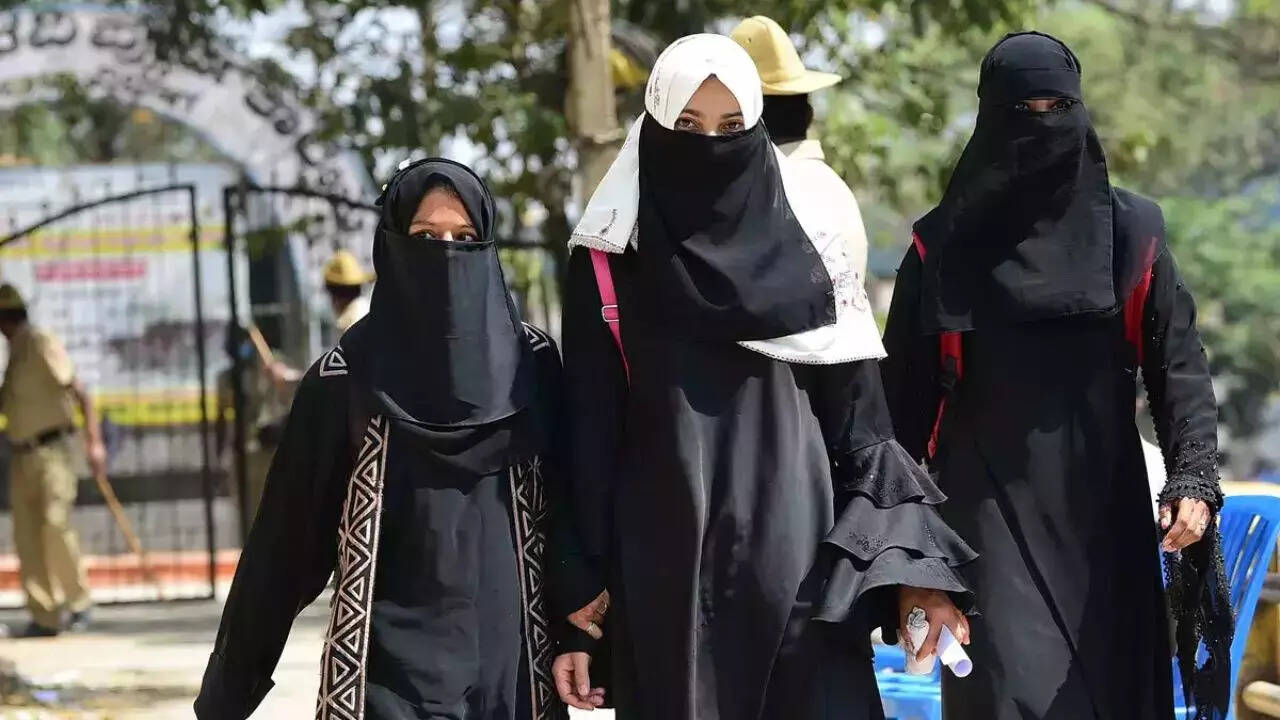
A coalition of civil society groups has come out strongly against the Maharashtra Freedom of Religion Act, 2026, citing concerns that it poses a significant threat to constitutional freedoms. The groups argue that the provisions outlined in the law, which require prior notice, declarations, and reporting of religious conversions, could lead to intrusive state oversight of matters of faith, marriage, and personal choice.
The Joint Civil Society statement highlights the potential for police scrutiny of religious conversions, which could have a chilling effect on individuals' freedom to choose their own faith. The groups contend that such measures could undermine the fundamental rights guaranteed by the Indian Constitution, including the right to freedom of religion and the right to privacy.
The Maharashtra Freedom of Religion Act, 2026, aims to regulate religious conversions in the state. However, civil society groups argue that the law's provisions are overly broad and could be used to target marginalized communities. The groups are calling for a reconsideration of the law, citing the need to protect individual freedoms and prevent state overreach.
The controversy surrounding the law has sparked a wider debate about the balance between state regulation and individual freedoms. While the government has argued that the law is necessary to prevent forced conversions, civil society groups contend that it could have unintended consequences, including the erosion of trust in the state and the marginalization of already vulnerable communities.
The Joint Civil Society statement is the latest in a series of criticisms leveled against the law. The groups are urging the government to engage in a more nuanced and inclusive discussion about the regulation of religious conversions, one that takes into account the complexities of individual faith and the need to protect constitutional freedoms.
In the context of India's diverse and pluralistic society, the debate surrounding the Maharashtra Freedom of Religion Act, 2026, has significant implications for the country's democratic fabric. The law has sparked concerns about the potential for state overreach and the erosion of individual freedoms, highlighting the need for a more thoughtful and inclusive approach to regulating religious conversions.
The opposition to the law from civil society groups serves as a reminder of the importance of protecting constitutional freedoms and promoting a culture of tolerance and inclusivity. As the debate surrounding the law continues to unfold, it is likely that the issue will remain a contentious one, with significant implications for the future of individual freedoms in India.
In conclusion, the Maharashtra Freedom of Religion Act, 2026, has sparked a significant backlash from civil society groups, who argue that it poses a threat to constitutional freedoms. The controversy surrounding the law highlights the need for a more nuanced and inclusive approach to regulating religious conversions, one that balances state regulation with individual freedoms and promotes a culture of tolerance and inclusivity.
Frequently asked questions
What is the Maharashtra Freedom of Religion Act, 2026?
The law regulates religious conversions in Maharashtra and requires prior notice, declarations, and reporting.
Why are civil society groups opposing the law?
They argue that the law poses a threat to constitutional freedoms and could lead to intrusive state oversight of matters of faith, marriage, and personal choice.