BCI Reverses Ban on NALSAR 2026 Batch
NALSAR students can now enroll, BCI reverses decision after backlash.
'%3E%3Crect%20width%3D'96'%20height%3D'96'%20fill%3D'%231A5276'%2F%3E%3Ccircle%20cx%3D'30'%20cy%3D'24'%20r%3D'44'%20fill%3D'%23fff'%20opacity%3D'.12'%2F%3E%3Ccircle%20cx%3D'60'%20cy%3D'74'%20r%3D'40'%20fill%3D'%23000'%20opacity%3D'.10'%2F%3E%3C%2Fg%3E%3Cg%20fill%3D'%23fff'%3E%3Cpath%20d%3D'M31%2041%20L48%2031%20L65%2041%20Z'%2F%3E%3Crect%20x%3D'33'%20y%3D'43'%20width%3D'4'%20height%3D'17'%2F%3E%3Crect%20x%3D'41'%20y%3D'43'%20width%3D'4'%20height%3D'17'%2F%3E%3Crect%20x%3D'51'%20y%3D'43'%20width%3D'4'%20height%3D'17'%2F%3E%3Crect%20x%3D'59'%20y%3D'43'%20width%3D'4'%20height%3D'17'%2F%3E%3Crect%20x%3D'30'%20y%3D'62'%20width%3D'36'%20height%3D'4'%20rx%3D'1'%2F%3E%3C%2Fg%3E%3C%2Fsvg%3E)
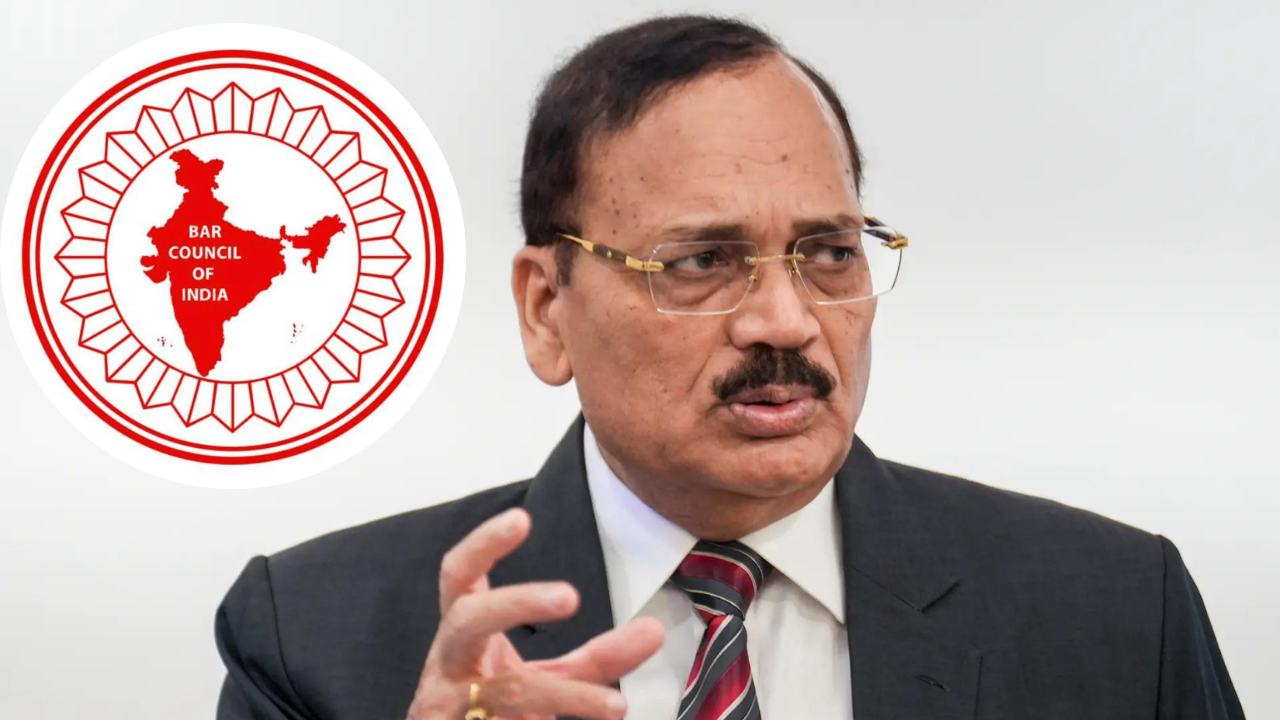
The Bar Council of India (BCI) has reversed its decision to ban students from NALSAR's 2026 batch from enrolling with state bar councils. This decision comes after significant backlash against the original ruling, which was made in response to a protest related to an invitation to the Chief Justice of India.
The original ban was imposed due to the students' association with the protest, but the BCI has now clarified that the majority of the students were uninvolved and innocent. The regulator has emphasized that it is unfair to penalize the entire batch for the actions of a few.
The BCI's decision to reverse the ban is a significant development, as it will allow the affected students to pursue their careers as advocates. The regulator's move is seen as a positive step, as it recognizes the rights of the students and acknowledges that they should not be punished for the actions of others.
The controversy began when a group of students from NALSAR protested against the invitation to the Chief Justice of India. The protest was seen as a controversy, and the BCI's original decision to ban the students was widely criticized. The backlash against the decision was significant, with many arguing that it was unfair and unjust.
The BCI's reversal of the decision is a testament to the power of criticism and backlash. The regulator has listened to the concerns of the students and the legal community, and has taken a step to rectify the situation. The decision is expected to have a positive impact on the affected students, who can now pursue their careers without any hurdles.
The incident has also highlighted the importance of fairness and justice in the legal profession. The BCI's decision to reverse the ban demonstrates that the regulator is committed to upholding the principles of fairness and justice, and that it is willing to listen to criticism and take corrective action.
In the end, the BCI's decision to reverse the ban on NALSAR's 2026 batch is a welcome move. It recognizes the rights of the students and acknowledges that they should not be punished for the actions of others. The decision is expected to have a positive impact on the legal profession, and it demonstrates the importance of fairness and justice in the regulatory framework.
The reversal of the ban is also a significant development for the legal community, as it sets a precedent for the treatment of students who are involved in protests or controversies. The BCI's decision is expected to have a positive impact on the legal profession, and it demonstrates the importance of fairness and justice in the regulatory framework.
The incident has also raised questions about the role of the BCI in regulating the legal profession. The regulator's decision to reverse the ban demonstrates that it is committed to upholding the principles of fairness and justice, and that it is willing to listen to criticism and take corrective action.
In conclusion, the BCI's decision to reverse the ban on NALSAR's 2026 batch is a significant development that recognizes the rights of the students and acknowledges that they should not be punished for the actions of others. The decision is expected to have a positive impact on the legal profession, and it demonstrates the importance of fairness and justice in the regulatory framework.
Frequently asked questions
Why was the NALSAR 2026 batch initially banned by the BCI?
The batch was initially banned due to their association with a protest related to an invitation to the Chief Justice of India.
What was the outcome of the BCI's reversal of the decision?
The reversal of the decision allows the affected students to pursue their careers as advocates and enroll with state bar councils.