Asian Praying Mantis Invades Europe
Invasive species spreads, threatens wildlife. Citizen science and removal of egg cases can help.
'%3E%3Crect%20width%3D'96'%20height%3D'96'%20fill%3D'%23B3261E'%2F%3E%3Ccircle%20cx%3D'30'%20cy%3D'24'%20r%3D'44'%20fill%3D'%23fff'%20opacity%3D'.12'%2F%3E%3Ccircle%20cx%3D'60'%20cy%3D'74'%20r%3D'40'%20fill%3D'%23000'%20opacity%3D'.10'%2F%3E%3C%2Fg%3E%3Cg%20fill%3D'%23fff'%3E%3Crect%20x%3D'29'%20y%3D'49'%20width%3D'8'%20height%3D'19'%20rx%3D'1'%2F%3E%3Crect%20x%3D'39'%20y%3D'40'%20width%3D'9'%20height%3D'28'%20rx%3D'1'%2F%3E%3Crect%20x%3D'50'%20y%3D'45'%20width%3D'8'%20height%3D'23'%20rx%3D'1'%2F%3E%3Crect%20x%3D'60'%20y%3D'53'%20width%3D'7'%20height%3D'15'%20rx%3D'1'%2F%3E%3Crect%20x%3D'41'%20y%3D'34'%20width%3D'5'%20height%3D'6'%2F%3E%3C%2Fg%3E%3C%2Fsvg%3E)
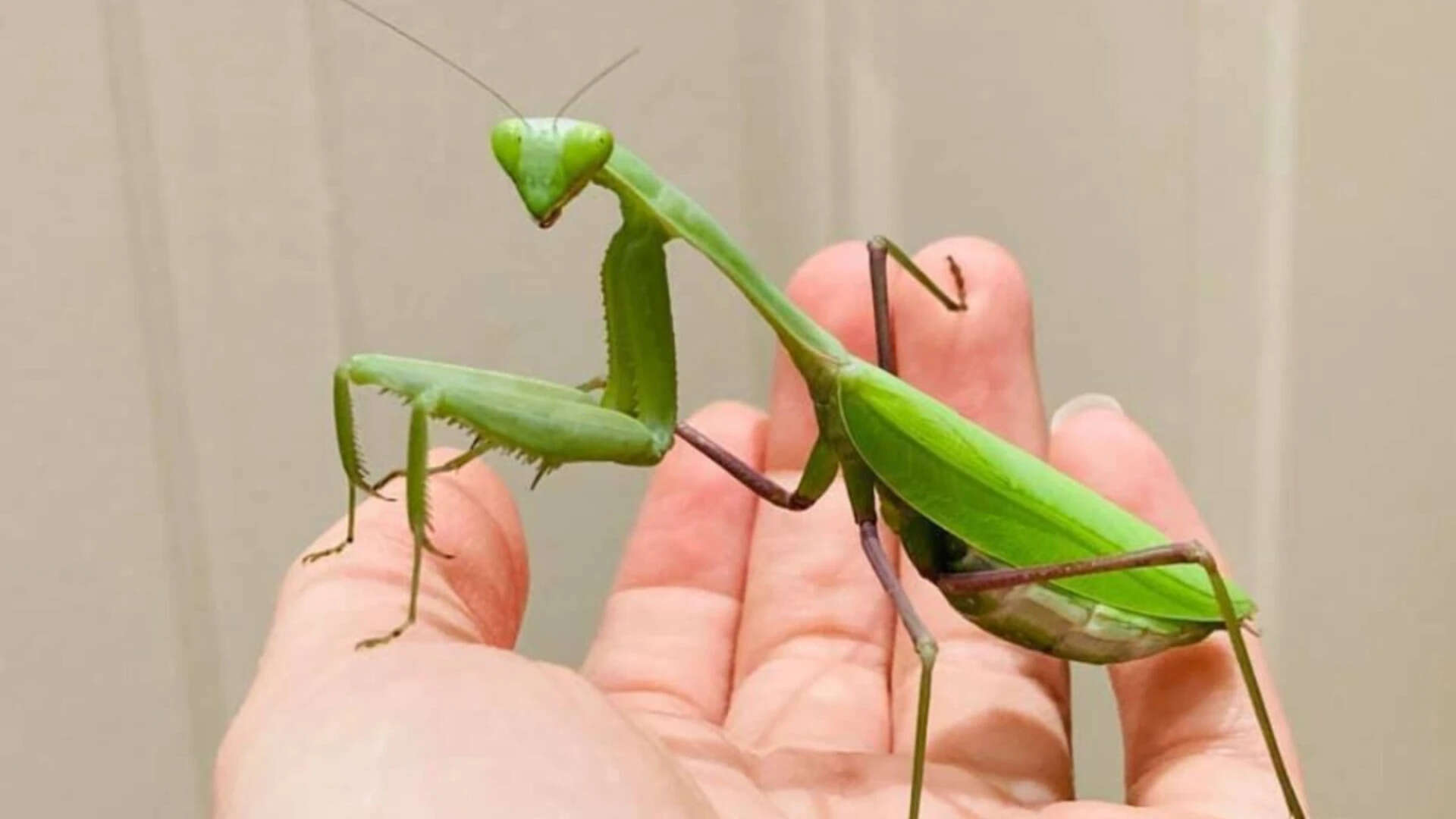
A significant threat to local wildlife is emerging in Europe as two invasive species of Asian praying mantis spread rapidly across the continent. The mantis population is growing at an alarming rate, posing a danger to endangered small wildlife, including frogs and pollinators.
The spread of the Asian praying mantis is facilitated by urban areas and rising global temperatures, which enable them to move northward. As a result, the mantis is now found in many parts of Europe, where it was previously unknown.
The impact of the Asian praying mantis on local ecosystems is a major concern. The mantis is a skilled hunter, and its presence can lead to a decline in the population of small animals, including frogs and insects. This, in turn, can have a ripple effect on the entire ecosystem, leading to a loss of biodiversity.
Citizen science initiatives are essential for monitoring and managing the Asian praying mantis population. By engaging in these initiatives, individuals can contribute to the collection of data on the mantis population, which can help scientists and policymakers develop effective strategies for mitigating its impact.
One effective way to mitigate the environmental impact of the Asian praying mantis is through the seasonal removal of egg cases. By removing the egg cases, the population growth of the mantis can be slowed, reducing its threat to local wildlife.
The spread of the Asian praying mantis is a reminder of the importance of addressing the issue of invasive species. Invasive species can have a devastating impact on local ecosystems, leading to a loss of biodiversity and ecosystem disruption.
The European Union has taken steps to address the issue of invasive species, including the development of policies and strategies for preventing their introduction and spread. However, more needs to be done to address the issue, and citizen science initiatives can play a crucial role in this effort.
In conclusion, the spread of the Asian praying mantis in Europe is a significant threat to local wildlife, and urgent action is needed to mitigate its impact. By engaging in citizen science initiatives and removing egg cases, individuals can contribute to the conservation of endangered species and the protection of ecosystems.
The issue of invasive species is a global concern, and it requires a coordinated effort to address. The spread of the Asian praying mantis in Europe is a reminder of the importance of taking action to prevent the introduction and spread of invasive species, and to mitigate their impact on local ecosystems.
As the world grapples with the issue of invasive species, it is essential to recognize the importance of citizen science initiatives and community engagement in addressing this issue. By working together, we can develop effective strategies for mitigating the impact of invasive species and protecting local ecosystems.