Himalayan Pangolin Rediscovered After 183 Years
Scientists confirm a new pangolin species, overlooked since 1836. Genetic analysis reveals distinct lineage.
'%3E%3Crect%20width%3D'96'%20height%3D'96'%20fill%3D'%23B3261E'%2F%3E%3Ccircle%20cx%3D'30'%20cy%3D'24'%20r%3D'44'%20fill%3D'%23fff'%20opacity%3D'.12'%2F%3E%3Ccircle%20cx%3D'60'%20cy%3D'74'%20r%3D'40'%20fill%3D'%23000'%20opacity%3D'.10'%2F%3E%3C%2Fg%3E%3Cg%20fill%3D'%23fff'%3E%3Crect%20x%3D'29'%20y%3D'49'%20width%3D'8'%20height%3D'19'%20rx%3D'1'%2F%3E%3Crect%20x%3D'39'%20y%3D'40'%20width%3D'9'%20height%3D'28'%20rx%3D'1'%2F%3E%3Crect%20x%3D'50'%20y%3D'45'%20width%3D'8'%20height%3D'23'%20rx%3D'1'%2F%3E%3Crect%20x%3D'60'%20y%3D'53'%20width%3D'7'%20height%3D'15'%20rx%3D'1'%2F%3E%3Crect%20x%3D'41'%20y%3D'34'%20width%3D'5'%20height%3D'6'%2F%3E%3C%2Fg%3E%3C%2Fsvg%3E)
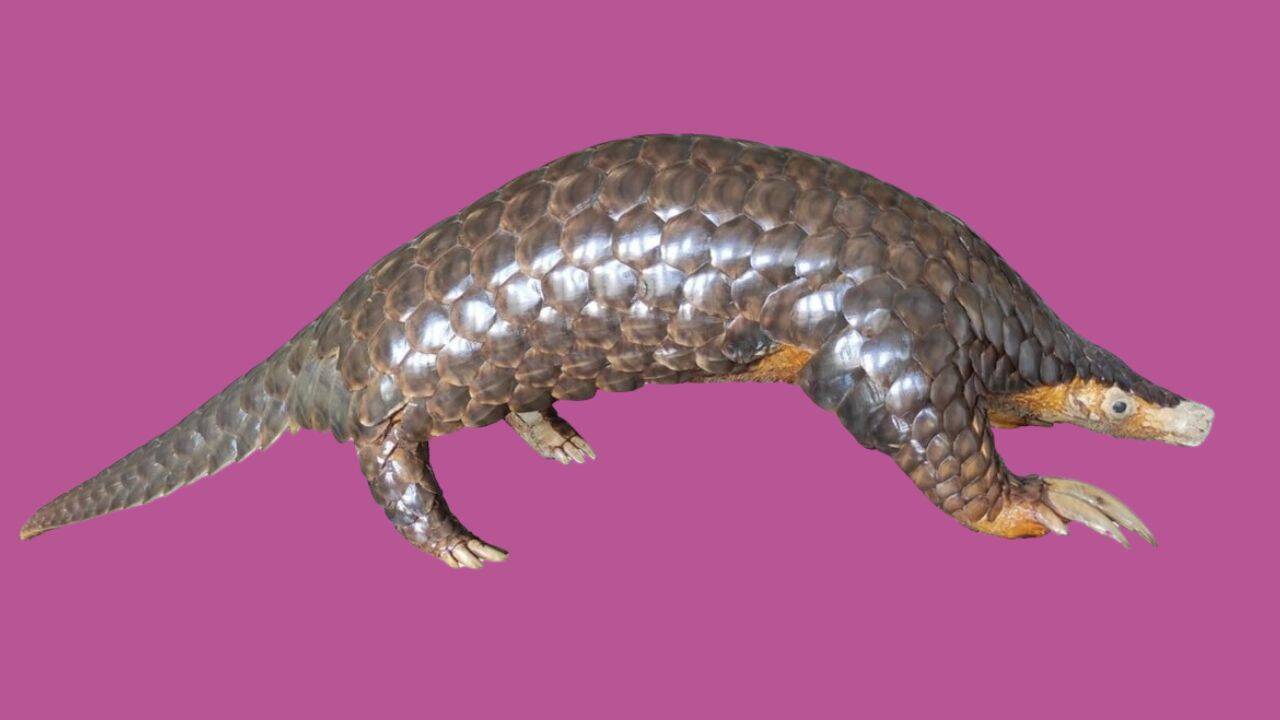
A significant discovery has been made in the field of wildlife conservation, as scientists have officially recognized the Himalayan pangolin, a species that was first described by Brian Hodgson in Nepal in 1836. The species, named Manis aurita, was overlooked for nearly two centuries until modern genetic analysis of smuggled scales revealed a distinct lineage that matched Hodgson's original description.
The rediscovery of the Himalayan pangolin is a testament to the importance of historical observations and modern science. Hodgson's description of the species was largely forgotten until recently, when scientists began analyzing smuggled pangolin scales. The genetic analysis revealed a unique lineage that was distinct from other known pangolin species.
Further research confirmed that the lineage matched Hodgson's original description, leading to the official recognition of the Himalayan pangolin as a separate species. This discovery highlights the significance of preserving historical records and observations, as they can provide valuable insights into the natural world.
The Himalayan pangolin is found in the Himalayan region, and its rediscovery has important implications for conservation efforts. Pangolins are highly prized for their scales, which are believed to have medicinal properties, and are often targeted by poachers. The recognition of the Himalayan pangolin as a separate species will help to inform conservation strategies and protect this unique and fascinating creature.
The discovery also underscores the importance of collaboration between scientists, conservationists, and law enforcement agencies. The analysis of smuggled scales was a key factor in the rediscovery of the Himalayan pangolin, and highlights the need for continued efforts to combat wildlife trafficking.
In recent years, there has been a growing recognition of the importance of preserving biodiversity and protecting endangered species. The rediscovery of the Himalayan pangolin is a significant step forward in this effort, and demonstrates the power of science and conservation to protect the natural world.
The official recognition of the Himalayan pangolin as a separate species is a major breakthrough, and will help to raise awareness about the importance of conservation and the need to protect this unique creature. As scientists continue to study and learn more about the Himalayan pangolin, it is hoped that this discovery will inspire further research and conservation efforts to protect this incredible species.
In conclusion, the rediscovery of the Himalayan pangolin is a significant achievement that highlights the importance of historical observations, modern science, and conservation efforts. The recognition of this unique species will help to inform conservation strategies and protect the natural world, and serves as a reminder of the importance of preserving biodiversity and protecting endangered species.