India's First Geothermal Wells Open in Ladakh
India's first geothermal wells are now operational. Located in Ladakh, they mark a new era in renewable energy.
'%3E%3Crect%20width%3D'96'%20height%3D'96'%20fill%3D'%23B3261E'%2F%3E%3Ccircle%20cx%3D'30'%20cy%3D'24'%20r%3D'44'%20fill%3D'%23fff'%20opacity%3D'.12'%2F%3E%3Ccircle%20cx%3D'60'%20cy%3D'74'%20r%3D'40'%20fill%3D'%23000'%20opacity%3D'.10'%2F%3E%3C%2Fg%3E%3Cg%20fill%3D'%23fff'%3E%3Crect%20x%3D'29'%20y%3D'49'%20width%3D'8'%20height%3D'19'%20rx%3D'1'%2F%3E%3Crect%20x%3D'39'%20y%3D'40'%20width%3D'9'%20height%3D'28'%20rx%3D'1'%2F%3E%3Crect%20x%3D'50'%20y%3D'45'%20width%3D'8'%20height%3D'23'%20rx%3D'1'%2F%3E%3Crect%20x%3D'60'%20y%3D'53'%20width%3D'7'%20height%3D'15'%20rx%3D'1'%2F%3E%3Crect%20x%3D'41'%20y%3D'34'%20width%3D'5'%20height%3D'6'%2F%3E%3C%2Fg%3E%3C%2Fsvg%3E)
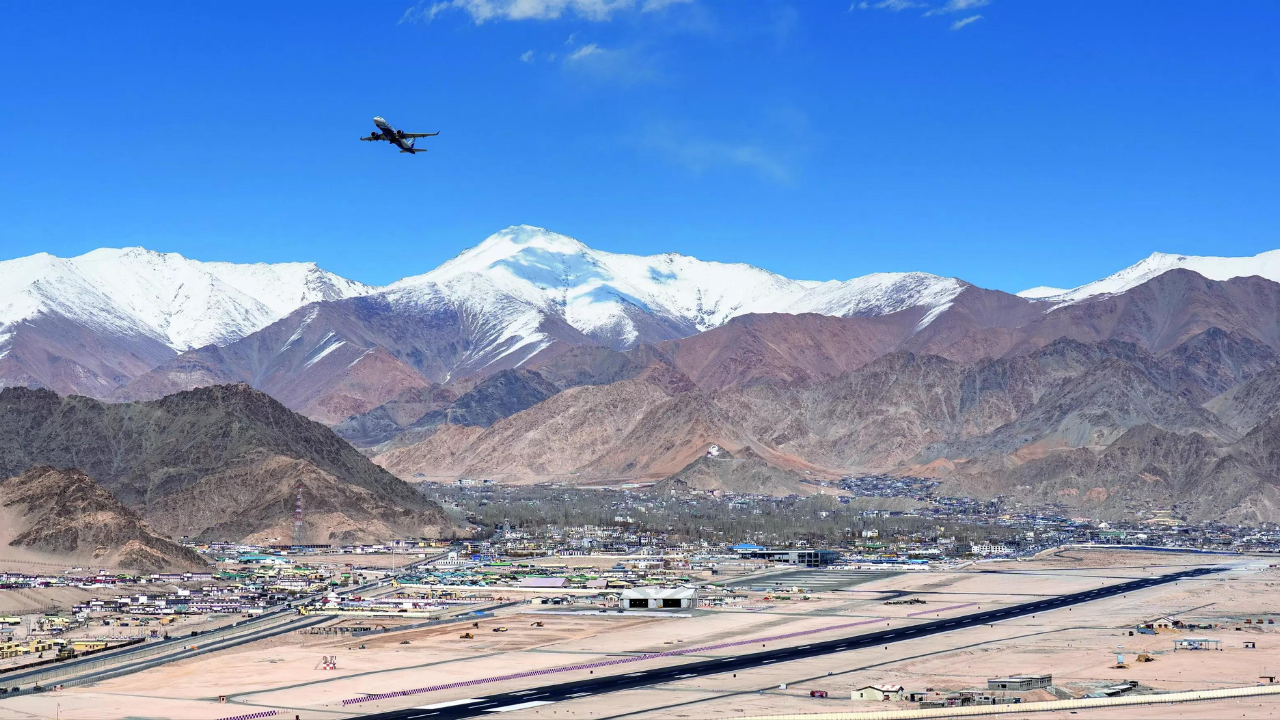
In a significant development, India's first two geothermal wells have been successfully commissioned in Ladakh. This milestone event marks the beginning of a new era in the country's pursuit of renewable energy sources.
The geothermal wells, which harness heat from the Earth's core to generate power, are a result of collaborative efforts between various government agencies and private organizations. The project aims to tap into the vast geothermal potential of the Ladakh region, known for its unique geology and high heat flow.
According to experts, the geothermal wells have the potential to generate a significant amount of clean energy, reducing the country's reliance on fossil fuels and mitigating climate change. The project is also expected to boost the local economy and create new job opportunities in the region.
Ladakh, with its unique geography and geology, is considered an ideal location for geothermal energy production. The region's high altitude and tectonic activity make it a hotspot for geothermal activity, with several areas identified as potential sites for geothermal exploration.
The commissioning of the geothermal wells is a major breakthrough for India's renewable energy sector, which has been growing rapidly in recent years. The government has set ambitious targets to increase the share of renewable energy in the country's energy mix, and the geothermal project in Ladakh is a significant step towards achieving this goal.
The project has also garnered international attention, with several countries expressing interest in collaborating with India on geothermal energy projects. The success of the Ladakh project is expected to pave the way for similar initiatives in other parts of the country, particularly in areas with high geothermal potential.
In the coming years, the geothermal wells in Ladakh are expected to play a crucial role in India's energy landscape, providing a clean and sustainable source of power to meet the country's growing energy demands. As the country continues to transition towards a low-carbon economy, the geothermal project in Ladakh is a shining example of India's commitment to renewable energy and sustainable development.
The significance of this project cannot be overstated, as it has the potential to transform the energy landscape of not just Ladakh, but the entire country. With its vast geothermal potential and growing demand for clean energy, India is poised to become a major player in the global geothermal energy market. The commissioning of the geothermal wells in Ladakh is a major milestone in this journey, and it will be interesting to see how the project evolves in the coming years.
In conclusion, the commissioning of India's first geothermal wells in Ladakh is a major achievement that marks a new era in the country's pursuit of renewable energy. The project has the potential to generate significant amounts of clean energy, reduce greenhouse gas emissions, and create new economic opportunities in the region. As India continues to grow and develop, the geothermal project in Ladakh is a shining example of the country's commitment to sustainable development and a low-carbon economy.