Congress Slams UCC Committee Over Lack Of Minority Representation
Congress leader criticizes UCC committee, says no Christians or Muslims are represented.

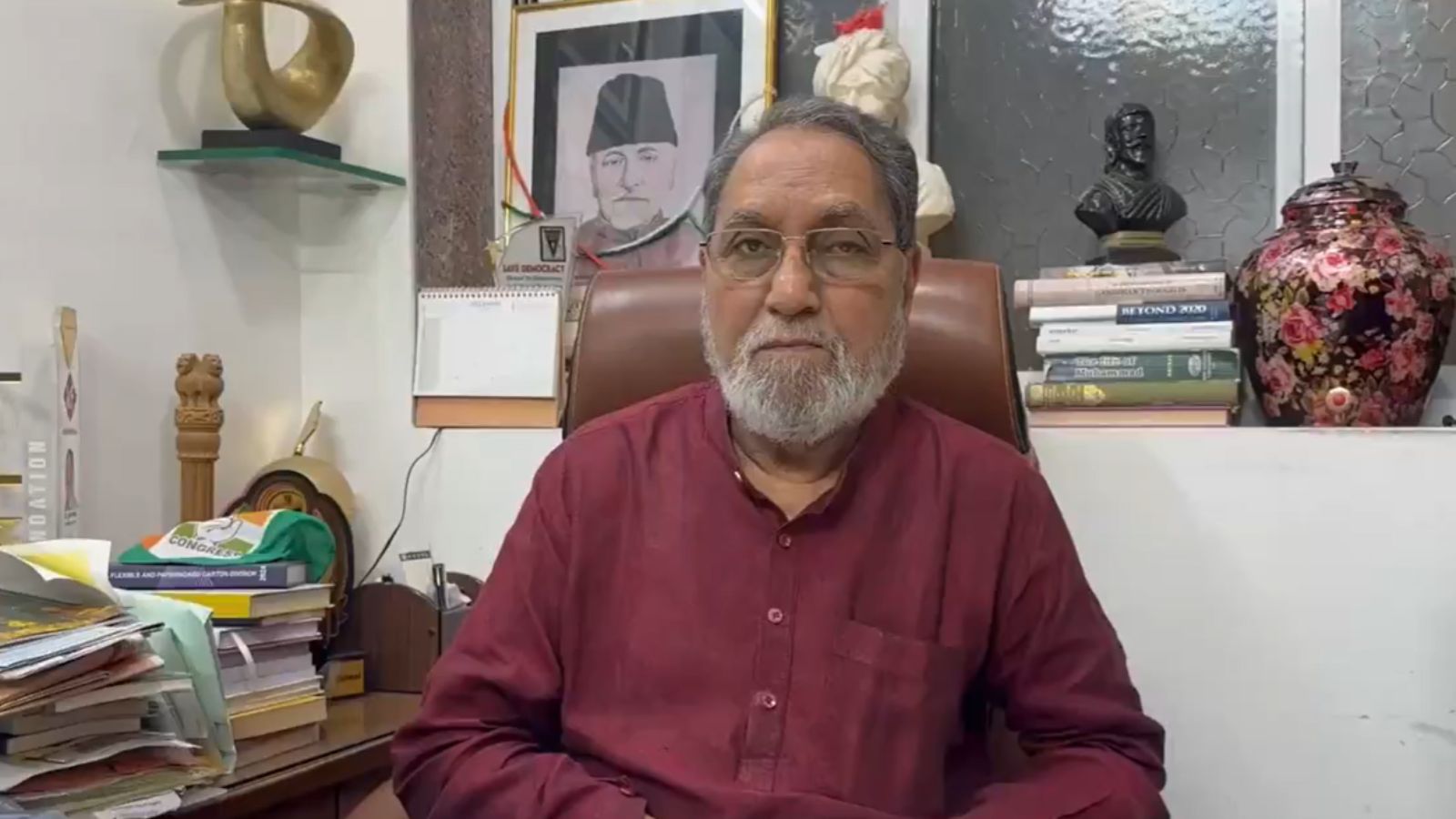
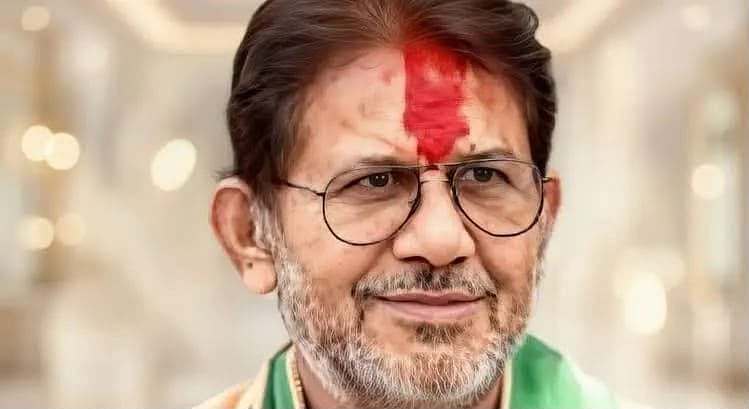
A controversy has erupted over the composition of the Uniform Civil Code (UCC) committee in Maharashtra, with Congress leader Hussain Dalwai alleging that it lacks representation from the Christian and Muslim communities.
In a memorandum submitted to Deputy Chief Minister Devendra Fadnavis, Dalwai expressed his disappointment and concern over the absence of minority representatives in the committee.
The UCC committee was formed to examine the feasibility of implementing a uniform civil code in the state, which would provide a common set of laws governing personal matters such as marriage, divorce, and inheritance.
Dalwai's criticism highlights the importance of representation and diversity in such committees, ensuring that the voices and concerns of all communities are taken into account.
The Uniform Civil Code has been a topic of debate in India, with some arguing that it would promote unity and equality, while others believe that it would infringe upon the rights of minority communities.
In Maharashtra, the UCC committee's composition has sparked concerns among minority groups, who feel that their interests and concerns may not be adequately represented.
The Congress party has been vocal about the need for representation and inclusivity in the committee, and Dalwai's memorandum is seen as an attempt to push for greater diversity and participation.
The issue of minority representation in the UCC committee is likely to gain traction in the coming days, with opposition parties and minority groups expected to raise their concerns and demands.
The Maharashtra government's response to Dalwai's memorandum and the concerns raised by minority groups will be closely watched, as it could have significant implications for the state's social and political landscape.
In the context of India's diverse population and the ongoing debates around the Uniform Civil Code, the composition of the UCC committee in Maharashtra has assumed considerable significance.
The controversy surrounding the committee's composition serves as a reminder of the importance of representation, inclusivity, and diversity in governance and decision-making processes.
It remains to be seen how the Maharashtra government will address the concerns raised by Dalwai and other minority groups, and whether the UCC committee's composition will be revised to include representation from the Christian and Muslim communities.
The outcome of this controversy will have significant implications for the state's minority communities and the broader debate around the Uniform Civil Code in India.
For Mumbai and Maharashtra, the issue of minority representation in the UCC committee is a critical one, as it affects the rights and interests of diverse communities in the state.
The controversy highlights the need for greater inclusivity and representation in governance, and the importance of ensuring that the voices and concerns of all communities are heard and addressed.