Chandra Kumar Bose Quits TMC Citing Personal Reasons
Netaji's grandnephew resigns from TMC, ends brief stint. No new plans announced.
'%3E%3Crect%20width%3D'96'%20height%3D'96'%20fill%3D'%231A5276'%2F%3E%3Ccircle%20cx%3D'30'%20cy%3D'24'%20r%3D'44'%20fill%3D'%23fff'%20opacity%3D'.12'%2F%3E%3Ccircle%20cx%3D'60'%20cy%3D'74'%20r%3D'40'%20fill%3D'%23000'%20opacity%3D'.10'%2F%3E%3C%2Fg%3E%3Cg%20fill%3D'%23fff'%3E%3Cpath%20d%3D'M31%2041%20L48%2031%20L65%2041%20Z'%2F%3E%3Crect%20x%3D'33'%20y%3D'43'%20width%3D'4'%20height%3D'17'%2F%3E%3Crect%20x%3D'41'%20y%3D'43'%20width%3D'4'%20height%3D'17'%2F%3E%3Crect%20x%3D'51'%20y%3D'43'%20width%3D'4'%20height%3D'17'%2F%3E%3Crect%20x%3D'59'%20y%3D'43'%20width%3D'4'%20height%3D'17'%2F%3E%3Crect%20x%3D'30'%20y%3D'62'%20width%3D'36'%20height%3D'4'%20rx%3D'1'%2F%3E%3C%2Fg%3E%3C%2Fsvg%3E)
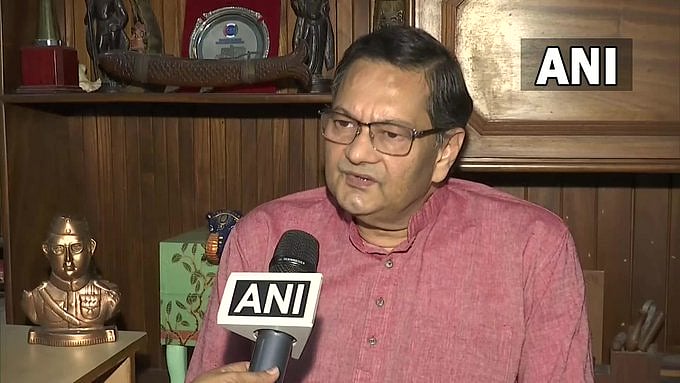
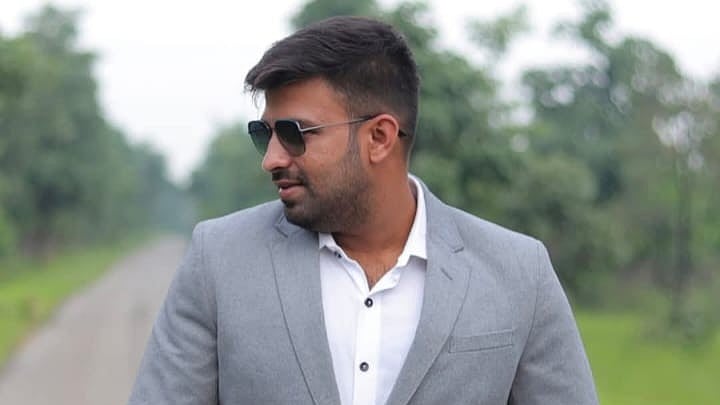
Chandra Kumar Bose, the grandnephew of Netaji Subhas Chandra Bose, has resigned from the Trinamool Congress (TMC) due to personal reasons. This marks the end of his brief stint with the party, which he joined in April 2026 ahead of the West Bengal Assembly elections.
Bose's resignation was reported on Monday, and he has not publicly disclosed any further political plans. He had joined the TMC in the presence of senior party leaders, including Bratya Basu and Kirti Azad. At the time, he described his earlier decision to join the Bharatiya Janata Party (BJP) as a 'historic mistake', saying the TMC better represented Bengal's history, culture, traditions, and inclusive political values.
Bose's political journey began when he joined the BJP in 2016 and served as the party's West Bengal vice-president. He contested the 2016 West Bengal Assembly election from Bhabanipur and later fought the 2019 Lok Sabha election from Kolkata Dakshin but was defeated. In September 2023, Bose resigned from the BJP, citing ideological differences and accusing the party of failing to uphold the inclusive and secular ideals espoused by Netaji Subhas Chandra Bose.
The TMC is currently dealing with internal organisational challenges, including factionalism and the departure of several leaders. Bose's resignation adds to the political churn within the ruling party. While the reasons behind his resignation remain limited to 'personal reasons', it is unclear whether he intends to remain active in politics or join another political outfit.
Bose's decision to join the TMC was seen as a significant move, given his family's legacy and his own political experience. His resignation now raises questions about his future plans and the impact on the TMC.
The TMC has been facing internal challenges, including the suspension of Abhishek Banerjee by Ritabrata Banerjee's 'Real Trinamool Congress', which has replaced Mamata Banerjee as chairperson. The party's internal struggles may have contributed to Bose's decision to resign.
In the context of West Bengal politics, Bose's resignation is significant, given the state's complex political landscape. The TMC has been the dominant party in the state, but it faces challenges from the BJP and other opposition parties.
The resignation of Chandra Kumar Bose from the TMC may have implications for the party's future prospects and its ability to retain leaders. It also raises questions about the future of politics in West Bengal and the role of the TMC in the state.
In conclusion, the resignation of Chandra Kumar Bose from the TMC is a significant development in West Bengal politics. While the reasons behind his resignation are personal, it adds to the political churn within the ruling party and raises questions about his future plans and the impact on the TMC.
Frequently asked questions
Why did Chandra Kumar Bose resign from TMC?
He resigned due to personal reasons.
What were Chandra Kumar Bose's previous political affiliations?
He was previously with the BJP before joining the TMC.