India's Organ Transplant Process Explained
Discover the stages involved in India's organ transplant process. From evaluation to surgery, learn what happens after applying.
'%3E%3Crect%20width%3D'96'%20height%3D'96'%20fill%3D'%23B3261E'%2F%3E%3Ccircle%20cx%3D'30'%20cy%3D'24'%20r%3D'44'%20fill%3D'%23fff'%20opacity%3D'.12'%2F%3E%3Ccircle%20cx%3D'60'%20cy%3D'74'%20r%3D'40'%20fill%3D'%23000'%20opacity%3D'.10'%2F%3E%3C%2Fg%3E%3Cg%20fill%3D'%23fff'%3E%3Crect%20x%3D'29'%20y%3D'49'%20width%3D'8'%20height%3D'19'%20rx%3D'1'%2F%3E%3Crect%20x%3D'39'%20y%3D'40'%20width%3D'9'%20height%3D'28'%20rx%3D'1'%2F%3E%3Crect%20x%3D'50'%20y%3D'45'%20width%3D'8'%20height%3D'23'%20rx%3D'1'%2F%3E%3Crect%20x%3D'60'%20y%3D'53'%20width%3D'7'%20height%3D'15'%20rx%3D'1'%2F%3E%3Crect%20x%3D'41'%20y%3D'34'%20width%3D'5'%20height%3D'6'%2F%3E%3C%2Fg%3E%3C%2Fsvg%3E)
The organ transplant process in India is a complex and multi-stage procedure.
When a patient applies for an organ transplant, they undergo a thorough medical evaluation to determine their suitability for the transplant.
This evaluation is crucial in assessing the patient's overall health and identifying any potential risks or complications that may arise during the transplant procedure.
After the medical evaluation, the patient is enrolled in a registry, which is a database of patients waiting for an organ transplant.
The registry plays a vital role in matching patients with available organs, and it helps to prioritize patients based on their medical urgency and other factors.
The waitlist priority is determined by a combination of factors, including the patient's medical condition, the severity of their illness, and the length of time they have been waiting for a transplant.
Once a patient is placed on the waitlist, they are monitored regularly to ensure that their medical condition has not changed.
When an organ becomes available, the patient's details are matched against the organ to ensure compatibility.
This matching process involves a series of tests and evaluations to ensure that the patient's body will accept the new organ.
If the patient is found to be a suitable match, they are contacted and prepared for surgery.
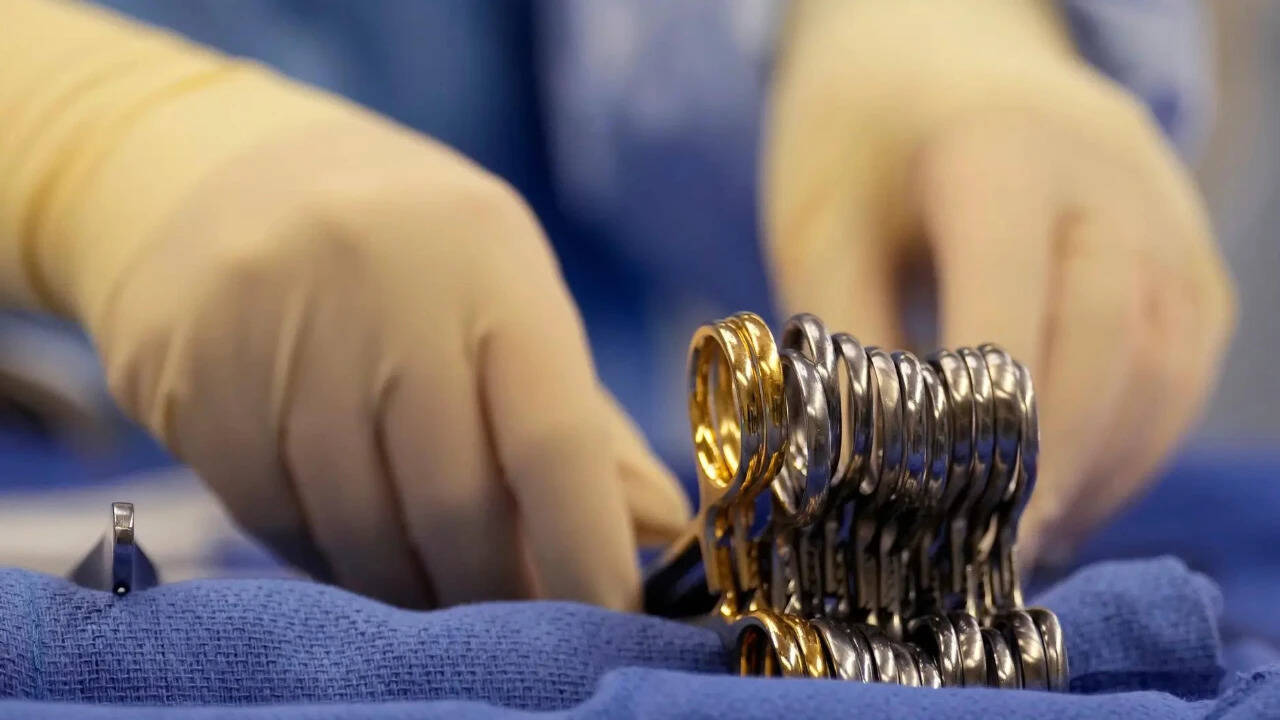
The transplant surgery is a complex procedure that requires a high level of skill and expertise.
After the surgery, the patient requires lifelong follow-up care to ensure that their body is accepting the new organ and to monitor for any potential complications.
This follow-up care involves regular check-ups, blood tests, and other monitoring procedures to ensure that the patient is recovering well from the transplant.
In India, the organ transplant process is regulated by the National Organ and Tissue Transplant Organisation (NOTTO), which oversees the allocation of organs and ensures that the transplant process is fair and transparent.
Overall, the organ transplant process in India involves multiple clinical, regulatory, and coordination stages, and it requires a high level of care and expertise to ensure that patients receive the best possible outcomes.
The organ transplant process is a life-changing procedure that can significantly improve the quality of life for patients with end-stage organ failure.
By understanding the various stages involved in the transplant process, patients and their families can better navigate the system and ensure that they receive the best possible care.
Frequently asked questions
What happens after applying for an organ transplant in India?
After applying, patients undergo a medical evaluation, are enrolled in a registry, and are placed on a waitlist. They are then monitored and matched with available organs.
How is waitlist priority determined in India's organ transplant process?
Waitlist priority is determined by a combination of factors, including the patient's medical condition, the severity of their illness, and the length of time they have been waiting for a transplant.