CAG Finds Irregularities In Madhya Pradesh Meal Supply
Irregularities found in hot cooked meal supply, unregistered groups involved.
'%3E%3Crect%20width%3D'96'%20height%3D'96'%20fill%3D'%23B3261E'%2F%3E%3Ccircle%20cx%3D'30'%20cy%3D'24'%20r%3D'44'%20fill%3D'%23fff'%20opacity%3D'.12'%2F%3E%3Ccircle%20cx%3D'60'%20cy%3D'74'%20r%3D'40'%20fill%3D'%23000'%20opacity%3D'.10'%2F%3E%3C%2Fg%3E%3Cg%20fill%3D'%23fff'%3E%3Crect%20x%3D'29'%20y%3D'49'%20width%3D'8'%20height%3D'19'%20rx%3D'1'%2F%3E%3Crect%20x%3D'39'%20y%3D'40'%20width%3D'9'%20height%3D'28'%20rx%3D'1'%2F%3E%3Crect%20x%3D'50'%20y%3D'45'%20width%3D'8'%20height%3D'23'%20rx%3D'1'%2F%3E%3Crect%20x%3D'60'%20y%3D'53'%20width%3D'7'%20height%3D'15'%20rx%3D'1'%2F%3E%3Crect%20x%3D'41'%20y%3D'34'%20width%3D'5'%20height%3D'6'%2F%3E%3C%2Fg%3E%3C%2Fsvg%3E)
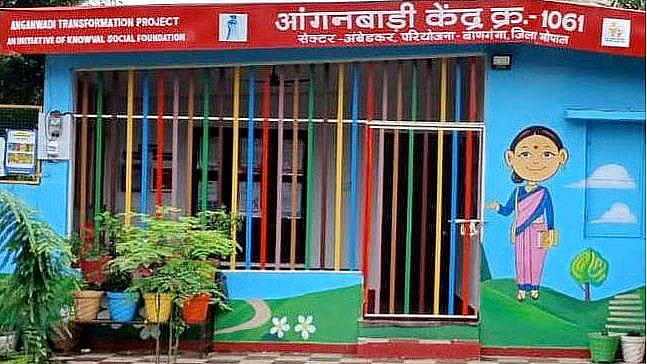
The Comptroller and Auditor General (CAG) has identified irregularities in the supply of hot cooked meals under the Women and Child Development Department in Madhya Pradesh. The audit, which covered the period up to March 2024, found that 54 unregistered self-help groups (SHGs) were supplying meals to 252 anganwadi centres in seven districts.
These unregistered SHGs supplied meals worth Rs 8.1 crore. However, according to norms, one SHG can cater to a maximum of 10 anganwadi centres. Additionally, contractors, businessmen, or government employees cannot be directly or indirectly associated with an SHG.
During the audit, it was found that 13 SHGs in Alirajpur, Sehore, and Tikamgarh had neither kitchens nor offices at the addresses mentioned in bills submitted to district programme officers. Instead, meals were being prepared by male workers at alternate locations. These workers admitted to operating on behalf of SHGs and were paid between Rs 10,000 and Rs 13,000 a month.
The audit also revealed a lack of proper record-keeping, including no stock registers, utensil inventories, kitchen logs, or daily consumption records. Meals for 132 anganwadi centres were supplied from these centralised kitchens, with district programme officers paying Rs 4.11 crore.
The Women and Child Development Department is responsible for overseeing the supply of hot cooked meals to anganwadi centres. The department's primary goal is to provide nutritious meals to children and pregnant women. However, the irregularities found by the CAG raise concerns about the effectiveness and transparency of the meal supply system.
The CAG's findings highlight the need for improved oversight and monitoring of the hot cooked meal supply system. The audit's results also underscore the importance of ensuring that SHGs are properly registered and comply with norms.
In Madhya Pradesh, the anganwadi centre system plays a crucial role in providing essential services to children and women. The hot cooked meal supply is an integral part of this system, and any irregularities can have significant consequences.
The CAG's report is likely to prompt further investigation and action from the relevant authorities. The state government may need to take steps to address the irregularities and ensure that the hot cooked meal supply system is transparent and effective.
In conclusion, the CAG's findings on irregularities in the hot cooked meal supply system in Madhya Pradesh are a cause for concern. The state government and relevant authorities must take prompt action to address these issues and ensure that the system is functioning properly.
The incident highlights the importance of proper oversight and monitoring in the implementation of government schemes. It also underscores the need for transparency and accountability in the use of public funds.
The state government has a responsibility to ensure that the hot cooked meal supply system is functioning effectively and efficiently. The CAG's report provides an opportunity for the government to take corrective action and improve the system.
Overall, the CAG's findings are a significant development in the context of the hot cooked meal supply system in Madhya Pradesh. The state government and relevant authorities must take prompt action to address the irregularities and ensure that the system is transparent and effective.
Frequently asked questions
What did the CAG find in the hot cooked meal supply system?
The CAG found irregularities in the supply of hot cooked meals, including the involvement of unregistered self-help groups and a lack of proper record-keeping.
How much were the unregistered SHGs paid for supplying meals?
The unregistered SHGs supplied meals worth Rs 8.1 crore.