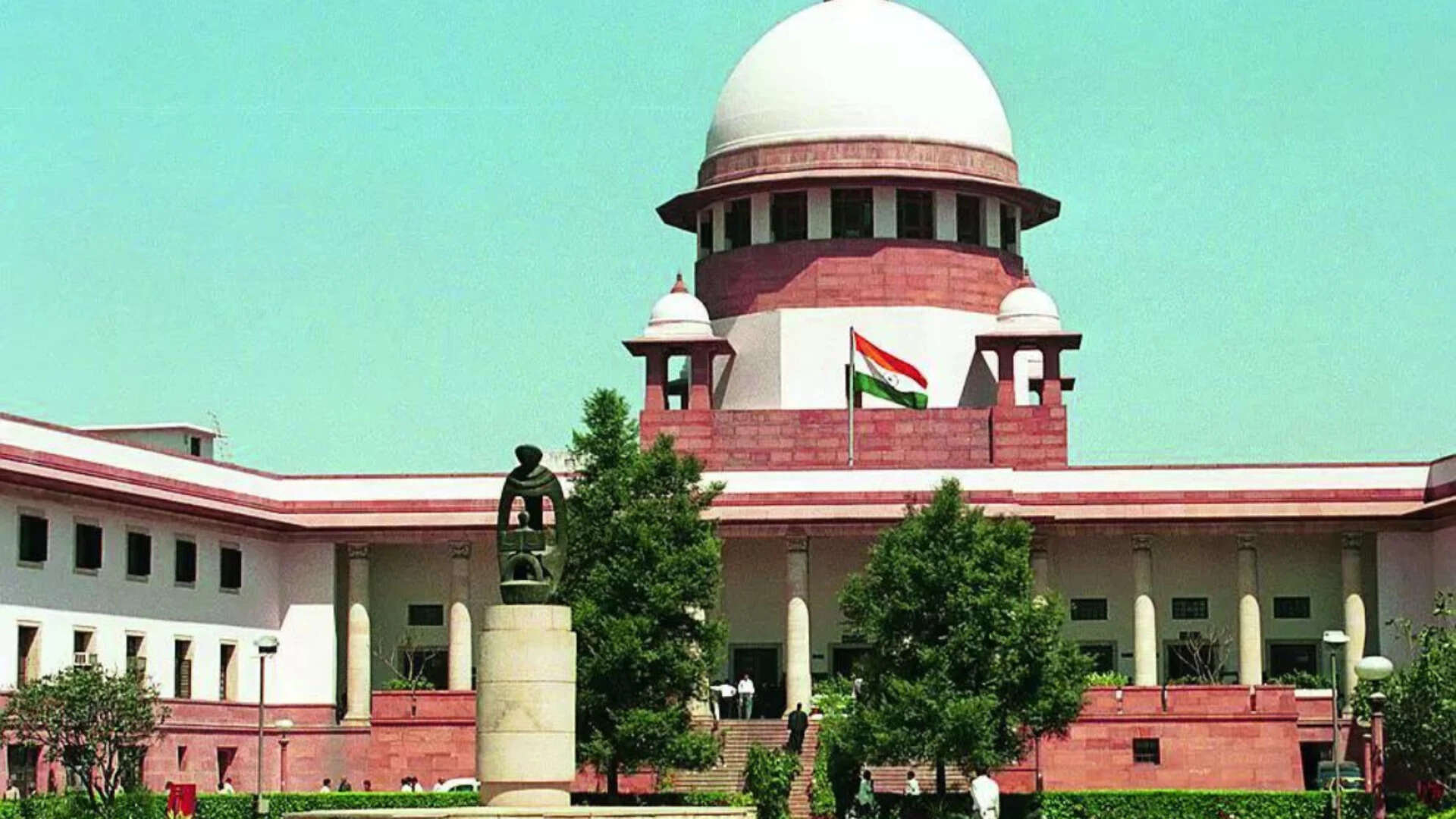
Supreme Court Orders Toilets for Women in Courts
SC directs states to build toilets for women lawyers, citing dignity and health concerns.
'%3E%3Crect%20width%3D'96'%20height%3D'96'%20fill%3D'%231A5276'%2F%3E%3Ccircle%20cx%3D'30'%20cy%3D'24'%20r%3D'44'%20fill%3D'%23fff'%20opacity%3D'.12'%2F%3E%3Ccircle%20cx%3D'60'%20cy%3D'74'%20r%3D'40'%20fill%3D'%23000'%20opacity%3D'.10'%2F%3E%3C%2Fg%3E%3Cg%20fill%3D'%23fff'%3E%3Cpath%20d%3D'M31%2041%20L48%2031%20L65%2041%20Z'%2F%3E%3Crect%20x%3D'33'%20y%3D'43'%20width%3D'4'%20height%3D'17'%2F%3E%3Crect%20x%3D'41'%20y%3D'43'%20width%3D'4'%20height%3D'17'%2F%3E%3Crect%20x%3D'51'%20y%3D'43'%20width%3D'4'%20height%3D'17'%2F%3E%3Crect%20x%3D'59'%20y%3D'43'%20width%3D'4'%20height%3D'17'%2F%3E%3Crect%20x%3D'30'%20y%3D'62'%20width%3D'36'%20height%3D'4'%20rx%3D'1'%2F%3E%3C%2Fg%3E%3C%2Fsvg%3E)
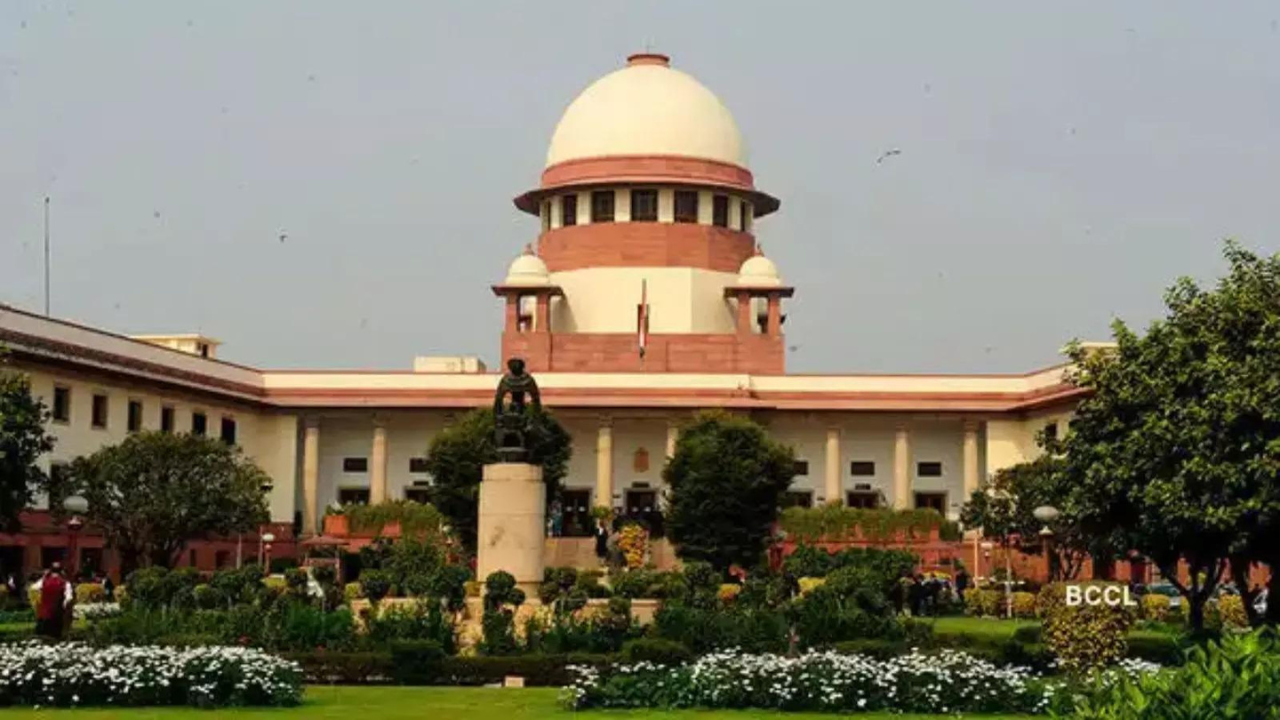
The Supreme Court has issued a directive to all states, ordering the construction of toilets for women lawyers in courts within a six-week timeframe. This decision aims to address the long-standing issue of inadequate facilities for female advocates, which has significant implications for their health and dignity.
The court's directive emphasizes the importance of providing basic amenities to women lawyers, enabling them to practice their profession without facing unnecessary challenges. The lack of toilets for women in courts has been a persistent problem, with many female advocates facing difficulties in accessing basic facilities.
States had pleaded for more time, citing fund constraints, but the Supreme Court rejected these pleas. Instead, the court suggested exploring alternative revenue sources to complete the construction of toilets within the stipulated deadline. This decision demonstrates the court's commitment to ensuring that women lawyers can practice with dignity and without compromising their health.
The construction of toilets for women lawyers is a crucial step towards promoting gender equality in the legal profession. It recognizes the importance of providing a safe and healthy environment for women to work and practice law. The Supreme Court's directive is a significant milestone in addressing the human rights and health concerns of women lawyers.
The six-week deadline set by the Supreme Court is a clear indication of the urgency and importance of this issue. States are expected to take immediate action to comply with the court's directive, ensuring that toilets for women lawyers are constructed and made available within the stipulated timeframe.
The Supreme Court's decision has been welcomed by women lawyers and advocacy groups, who have long been campaigning for better facilities and greater recognition of their rights. This move is seen as a major step forward in promoting gender equality and ensuring that women can practice law without facing unnecessary barriers.
In the broader context, the Supreme Court's directive highlights the need for greater investment in infrastructure and facilities for women in public spaces. The lack of toilets and other basic amenities is a common problem faced by women in many parts of the country, and addressing this issue is essential for promoting gender equality and ensuring that women can participate fully in public life.
The construction of toilets for women lawyers in courts is a significant development that has far-reaching implications for the legal profession and beyond. It recognizes the importance of providing a safe and healthy environment for women to work and practice law, and sets a precedent for greater investment in infrastructure and facilities for women in public spaces.
In conclusion, the Supreme Court's directive to construct toilets for women lawyers in courts within six weeks is a significant step towards promoting gender equality and addressing the human rights and health concerns of women advocates. The decision demonstrates the court's commitment to ensuring that women can practice law with dignity and without compromising their health, and sets a precedent for greater investment in infrastructure and facilities for women in public spaces.