Government Proposes Judicial Order For Late Birth, Death Registrations
Delayed registrations may require court orders, government proposes change to prevent misuse.
'%3E%3Crect%20width%3D'96'%20height%3D'96'%20fill%3D'%23B3261E'%2F%3E%3Ccircle%20cx%3D'30'%20cy%3D'24'%20r%3D'44'%20fill%3D'%23fff'%20opacity%3D'.12'%2F%3E%3Ccircle%20cx%3D'60'%20cy%3D'74'%20r%3D'40'%20fill%3D'%23000'%20opacity%3D'.10'%2F%3E%3C%2Fg%3E%3Cg%20fill%3D'%23fff'%3E%3Crect%20x%3D'29'%20y%3D'49'%20width%3D'8'%20height%3D'19'%20rx%3D'1'%2F%3E%3Crect%20x%3D'39'%20y%3D'40'%20width%3D'9'%20height%3D'28'%20rx%3D'1'%2F%3E%3Crect%20x%3D'50'%20y%3D'45'%20width%3D'8'%20height%3D'23'%20rx%3D'1'%2F%3E%3Crect%20x%3D'60'%20y%3D'53'%20width%3D'7'%20height%3D'15'%20rx%3D'1'%2F%3E%3Crect%20x%3D'41'%20y%3D'34'%20width%3D'5'%20height%3D'6'%2F%3E%3C%2Fg%3E%3C%2Fsvg%3E)
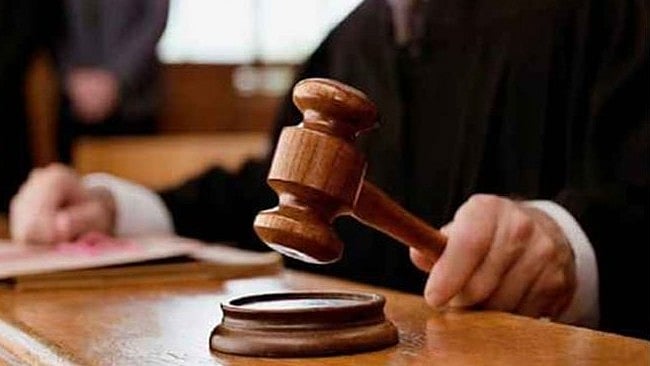
A significant change is being proposed by the government to the existing registration process for births and deaths in India. As per the new proposal, registrations of births and deaths that are delayed may soon require orders from a judicial magistrate.
This change aims to ensure that registrations are done in near real-time, preventing any potential misuse of the system. The proposed amendment suggests that reporting births and deaths after a period of two years will necessitate judicial approval.
The government has placed the proposed amendment before the Cabinet for consideration, marking a crucial step towards tightening the existing registration process. This move is expected to bring about greater efficiency and accuracy in the recording of vital statistics.
The registration of births and deaths is a critical aspect of public health and administration. It provides valuable data that can be used for planning and policy-making purposes. However, delayed registrations can lead to inaccuracies and gaps in the data, which can have significant consequences.
In India, the registration of births and deaths is governed by the Registration of Births and Deaths Act, 1969. The Act mandates the registration of every birth and death within a specified timeframe. However, despite the law, many registrations are delayed, often due to lack of awareness or administrative inefficiencies.
The proposed amendment seeks to address this issue by introducing a more stringent process for delayed registrations. By requiring judicial orders for registrations made after two years, the government hopes to discourage delays and ensure that registrations are made in a timely manner.
The move is also expected to help prevent misuse of the system, such as fraudulent registrations or alterations to records. This can have significant implications for various aspects of public life, including identity verification, inheritance, and social welfare benefits.
The proposal has been placed before the Cabinet, and if approved, it will mark a significant step towards improving the efficiency and accuracy of the registration process. The government's efforts to streamline the process and prevent misuse are likely to have far-reaching consequences for the country's public health and administrative systems.
In the context of India's large and diverse population, the registration of births and deaths is a complex task. The government's proposal to introduce a more stringent process for delayed registrations is a step towards ensuring that the system is more efficient and less prone to misuse.
The proposed change is expected to have significant implications for the country's vital statistics and public health systems. It is likely to lead to more accurate and timely recording of births and deaths, which can inform policy-making and planning at various levels.
Overall, the government's proposal to require judicial orders for delayed birth and death registrations is a significant move towards improving the registration process and preventing misuse. If approved, it is likely to have far-reaching consequences for the country's public health and administrative systems.