Gujarat Emissions Trading Scheme Goes Global
Gujarat's pollution fix inspires global solutions. India's emissions trading scheme expands.
'%3E%3Crect%20width%3D'96'%20height%3D'96'%20fill%3D'%23B3261E'%2F%3E%3Ccircle%20cx%3D'30'%20cy%3D'24'%20r%3D'44'%20fill%3D'%23fff'%20opacity%3D'.12'%2F%3E%3Ccircle%20cx%3D'60'%20cy%3D'74'%20r%3D'40'%20fill%3D'%23000'%20opacity%3D'.10'%2F%3E%3C%2Fg%3E%3Cg%20fill%3D'%23fff'%3E%3Crect%20x%3D'29'%20y%3D'49'%20width%3D'8'%20height%3D'19'%20rx%3D'1'%2F%3E%3Crect%20x%3D'39'%20y%3D'40'%20width%3D'9'%20height%3D'28'%20rx%3D'1'%2F%3E%3Crect%20x%3D'50'%20y%3D'45'%20width%3D'8'%20height%3D'23'%20rx%3D'1'%2F%3E%3Crect%20x%3D'60'%20y%3D'53'%20width%3D'7'%20height%3D'15'%20rx%3D'1'%2F%3E%3Crect%20x%3D'41'%20y%3D'34'%20width%3D'5'%20height%3D'6'%2F%3E%3C%2Fg%3E%3C%2Fsvg%3E)
Gujarat's innovative emissions trading scheme has successfully reduced pollution and is now inspiring global environmental solutions. The scheme, which was piloted in Gujarat, incentivizes industries to reduce pollution by allowing them to buy and sell emission credits. This approach has demonstrated significant emission reductions and cost savings for industries in the state.
The pilot program in Gujarat was a major success, with participating industries reducing their emissions substantially. The scheme is now being expanded across India, with several other states expressing interest in adopting the model. The expansion of the scheme is expected to have a significant impact on the country's overall emission levels.
The emissions trading scheme offers a competitive advantage to industries that embrace cleaner practices. By reducing their emissions, industries can sell their excess emission credits to other companies, generating additional revenue. This approach has been shown to be effective in reducing pollution, while also promoting economic growth.
The success of the Gujarat emissions trading scheme has attracted international attention, with several countries expressing interest in adopting similar models. The scheme has been recognized as a global best practice, and India is now being seen as a leader in environmental innovation. The expansion of the scheme across India and its adoption by other countries is expected to have a significant impact on global emission levels.
The emissions trading scheme is based on a simple principle: industries that reduce their emissions are rewarded, while those that do not are penalized. The scheme uses a market-based approach to reduce emissions, allowing industries to buy and sell emission credits. This approach has been shown to be effective in reducing pollution, while also promoting economic growth.
The scheme has also been recognized for its potential to promote sustainable development. By incentivizing industries to reduce their emissions, the scheme is helping to promote the use of cleaner technologies and practices. This is expected to have a significant impact on the country's overall environmental sustainability.
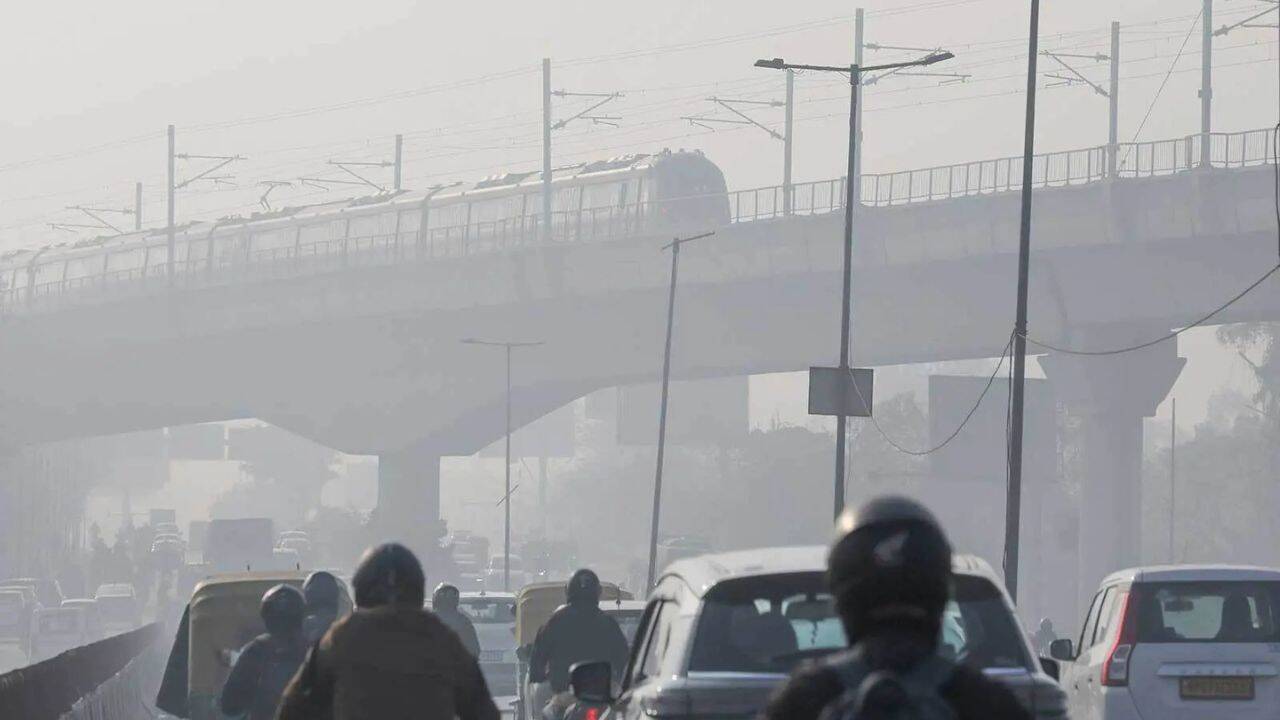
In the context of Delhi's pollution crisis, the Gujarat emissions trading scheme offers valuable lessons. Delhi's pollution levels are among the highest in the world, and the city is in urgent need of effective solutions. The emissions trading scheme offers a proven approach to reducing pollution, and its adoption could have a significant impact on the city's air quality.
Overall, the Gujarat emissions trading scheme is a significant innovation in environmental policy. Its success in reducing pollution and promoting economic growth has attracted international attention, and its expansion across India and adoption by other countries is expected to have a significant impact on global emission levels.
The scheme's potential to promote sustainable development and reduce pollution makes it an important model for other cities, including Delhi. As the world's attention turns to the issue of climate change, the Gujarat emissions trading scheme is an important reminder of the power of innovation and market-based solutions in reducing pollution and promoting sustainability.
In conclusion, the Gujarat emissions trading scheme is a groundbreaking approach to reducing pollution, and its success has far-reaching implications for India and the world. Its expansion across India and adoption by other countries is expected to have a significant impact on global emission levels, and its potential to promote sustainable development makes it an important model for other cities to follow.
Frequently asked questions
What is the Gujarat emissions trading scheme?
The Gujarat emissions trading scheme is a market-based approach to reduce pollution, where industries can buy and sell emission credits.
How can the scheme help Delhi's pollution crisis?
The scheme offers a proven approach to reducing pollution, and its adoption could have a significant impact on Delhi's air quality.