Amit Shah Assures No Retroactive FCRA Changes
Amit Shah meets Mizoram CM, discusses FCRA amendments. Church representatives also present.
'%3E%3Crect%20width%3D'96'%20height%3D'96'%20fill%3D'%231A5276'%2F%3E%3Ccircle%20cx%3D'30'%20cy%3D'24'%20r%3D'44'%20fill%3D'%23fff'%20opacity%3D'.12'%2F%3E%3Ccircle%20cx%3D'60'%20cy%3D'74'%20r%3D'40'%20fill%3D'%23000'%20opacity%3D'.10'%2F%3E%3C%2Fg%3E%3Cg%20fill%3D'%23fff'%3E%3Cpath%20d%3D'M31%2041%20L48%2031%20L65%2041%20Z'%2F%3E%3Crect%20x%3D'33'%20y%3D'43'%20width%3D'4'%20height%3D'17'%2F%3E%3Crect%20x%3D'41'%20y%3D'43'%20width%3D'4'%20height%3D'17'%2F%3E%3Crect%20x%3D'51'%20y%3D'43'%20width%3D'4'%20height%3D'17'%2F%3E%3Crect%20x%3D'59'%20y%3D'43'%20width%3D'4'%20height%3D'17'%2F%3E%3Crect%20x%3D'30'%20y%3D'62'%20width%3D'36'%20height%3D'4'%20rx%3D'1'%2F%3E%3C%2Fg%3E%3C%2Fsvg%3E)
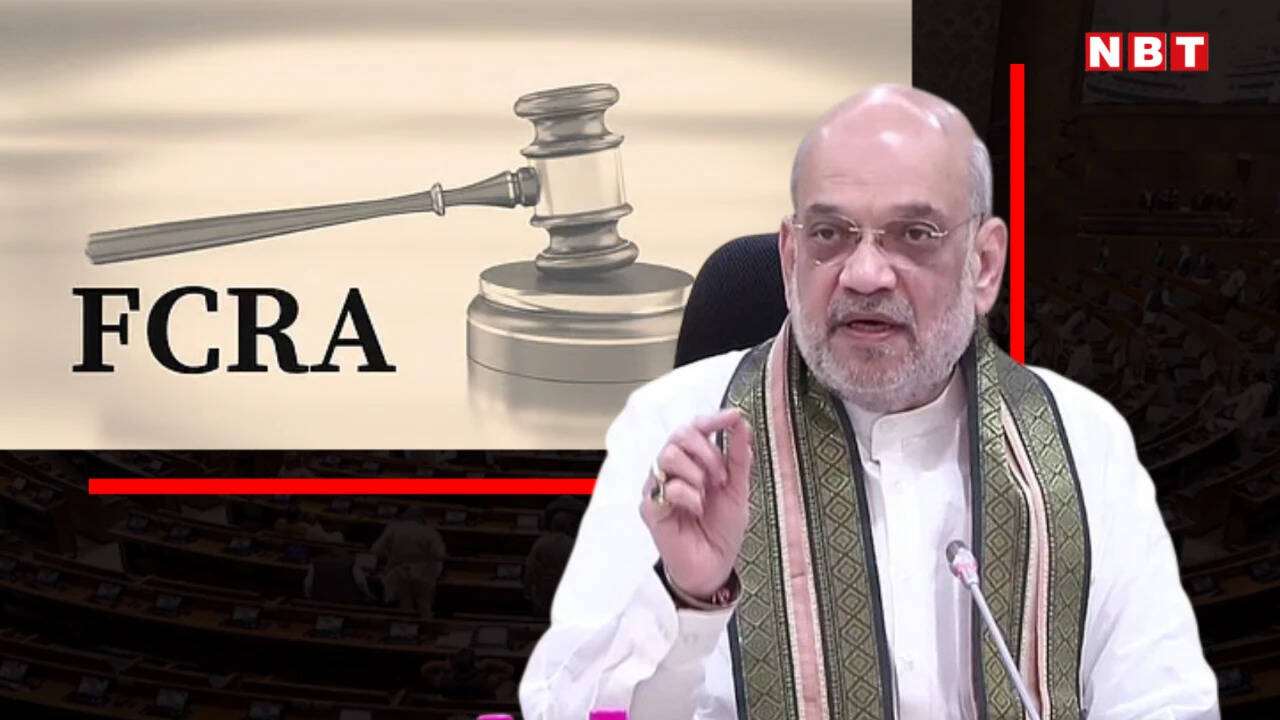
Mizoram Chief Minister Lalduhoma met with Home Minister Amit Shah on Thursday, where Shah assured that the proposed changes to the Foreign Contribution Regulation Act (FCRA) will not be applied retrospectively.
This meeting was significant as it included representatives from the church, who emphasized the need for suggestions to safeguard the FCRA. The discussion highlighted the importance of considering the impact of the amendments on various organizations and institutions.
The FCRA is a crucial piece of legislation that regulates the acceptance and utilization of foreign contributions by Indian entities. The proposed amendments have sparked debate and concern among various stakeholders, including non-governmental organizations (NGOs) and religious institutions.
The church representatives who attended the meeting stressed the need for careful consideration and consultation to ensure that the amendments do not adversely affect the functioning of NGOs and other organizations that rely on foreign contributions.
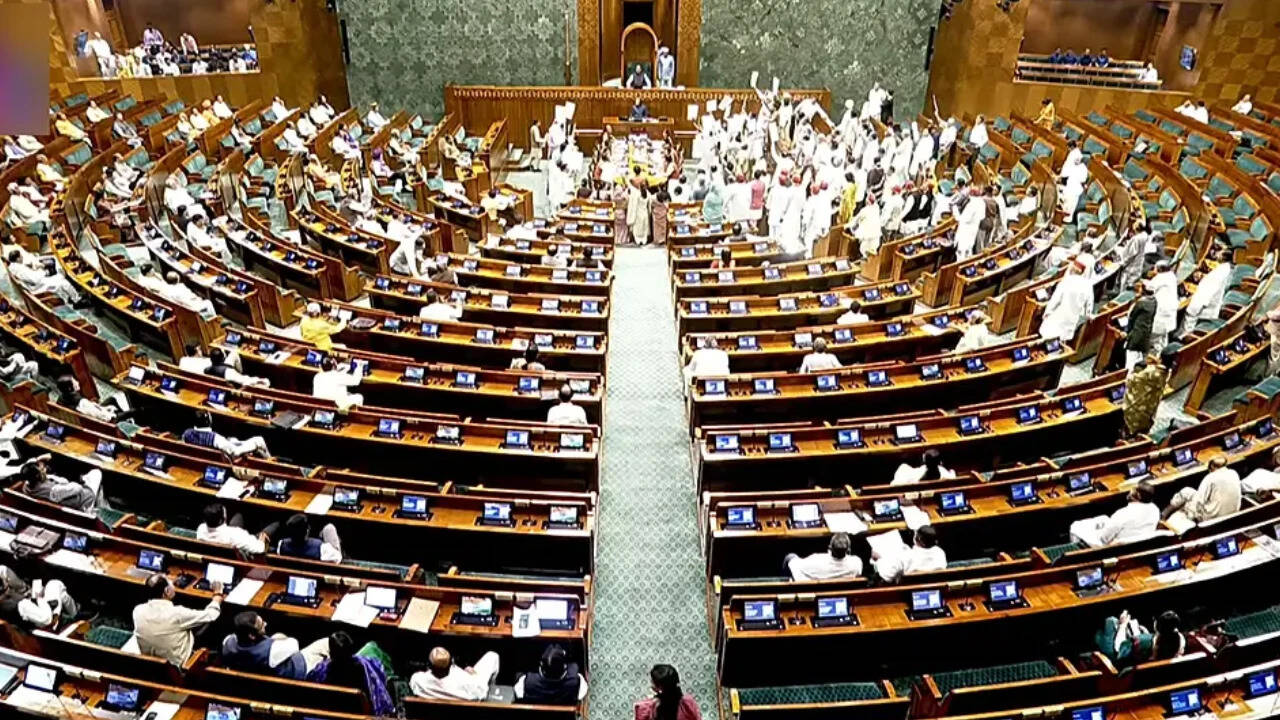
The meeting between Amit Shah and Lalduhoma comes ahead of a crucial debate on the proposed FCRA bill, scheduled for August 12. This debate is expected to clarify the future course of legislative action on the bill and provide insight into the government's intentions regarding the regulation of foreign contributions.
The FCRA has been a subject of controversy in recent years, with several NGOs and institutions facing scrutiny and penalties for alleged violations of the act. The proposed amendments aim to strengthen the regulatory framework and prevent the misuse of foreign contributions.
However, critics argue that the amendments could have a chilling effect on the activities of NGOs and other organizations, particularly those that rely on foreign funding to carry out their work. The debate on August 12 is expected to be closely watched, as it will provide a platform for stakeholders to express their concerns and suggestions.
In the context of the meeting between Amit Shah and Lalduhoma, it is clear that the government is engaging with various stakeholders to address their concerns and gather feedback on the proposed amendments. The assurance that the changes will not be retrospective is likely to provide some relief to organizations that have been concerned about the potential impact of the amendments on their past activities.
Overall, the meeting and the upcoming debate on the FCRA bill highlight the importance of careful consideration and consultation in the legislative process. The government's willingness to engage with stakeholders and address their concerns is a positive step, and it remains to be seen how the proposed amendments will be received and implemented.
The significance of this development lies in its potential impact on the functioning of NGOs and other organizations that rely on foreign contributions. The FCRA amendments could have far-reaching consequences, and it is essential to ensure that they are carefully crafted and implemented to prevent any adverse effects.
Frequently asked questions
What is the FCRA and why is it important?
The FCRA regulates foreign contributions to Indian entities and is crucial for NGOs and institutions.
Will the proposed FCRA changes be applied retrospectively?
No, according to Amit Shah, the changes will not have a retroactive effect.