Bombay High Court Questions BMC on SRA Scheme
BMC must explain SRA scheme on Dhobi Ghat land. Court seeks clarification.
'%3E%3Crect%20width%3D'96'%20height%3D'96'%20fill%3D'%23B3261E'%2F%3E%3Ccircle%20cx%3D'30'%20cy%3D'24'%20r%3D'44'%20fill%3D'%23fff'%20opacity%3D'.12'%2F%3E%3Ccircle%20cx%3D'60'%20cy%3D'74'%20r%3D'40'%20fill%3D'%23000'%20opacity%3D'.10'%2F%3E%3C%2Fg%3E%3Cg%20fill%3D'%23fff'%3E%3Crect%20x%3D'29'%20y%3D'49'%20width%3D'8'%20height%3D'19'%20rx%3D'1'%2F%3E%3Crect%20x%3D'39'%20y%3D'40'%20width%3D'9'%20height%3D'28'%20rx%3D'1'%2F%3E%3Crect%20x%3D'50'%20y%3D'45'%20width%3D'8'%20height%3D'23'%20rx%3D'1'%2F%3E%3Crect%20x%3D'60'%20y%3D'53'%20width%3D'7'%20height%3D'15'%20rx%3D'1'%2F%3E%3Crect%20x%3D'41'%20y%3D'34'%20width%3D'5'%20height%3D'6'%2F%3E%3C%2Fg%3E%3C%2Fsvg%3E)
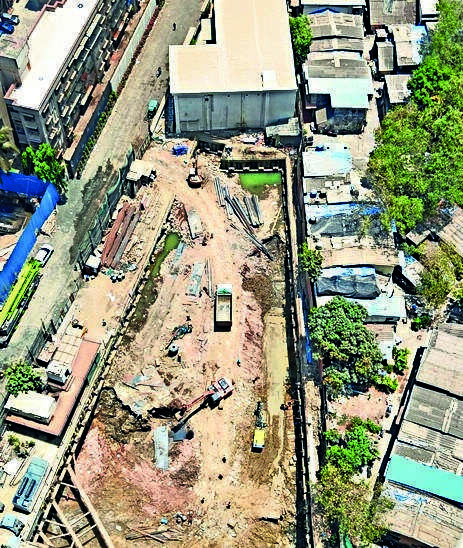
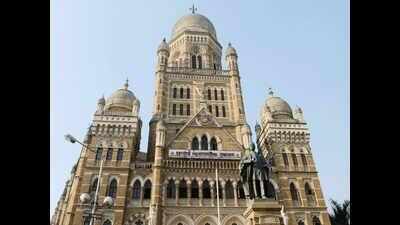
The Bombay High Court has asked the Brihanmumbai Municipal Corporation (BMC) to explain how the Slum Rehabilitation Authority (SRA) scheme was permitted on land used for drying clothes at Dhobi Ghat.
The court's decision comes as a response to a petition filed against the construction of a building under the SRA scheme on the said land. The petitioners argued that the land was traditionally used for drying clothes by the dhobis (washermen) community and that the construction would affect their livelihood.
The BMC has been directed to file an affidavit explaining the circumstances under which the SRA scheme was allowed on the land. The court also wants to know what measures were taken to ensure that the construction did not harm the interests of the dhobis community.
Dhobi Ghat, located in the heart of Mumbai, is a historic laundry facility where clothes are washed and dried. The area has been a hub for the dhobis community for generations, and the construction of a building under the SRA scheme has raised concerns about the community's livelihood.
The SRA scheme, introduced by the Maharashtra government, aims to provide housing to slum dwellers by rehabilitating them in new buildings. However, the scheme has been criticized for its implementation, with many alleging that it benefits builders more than the slum dwellers.
The court's decision to seek clarification from the BMC is a significant development in the case, and it remains to be seen how the corporation will respond to the court's queries. The BMC will have to provide a detailed explanation of the circumstances surrounding the permission granted for the SRA scheme on the Dhobi Ghat land.
The case highlights the ongoing struggle between the need for development and the preservation of traditional livelihoods in Mumbai. The city's rapid development has led to the displacement of many traditional communities, and the dhobis community is just one example of this.
The Bombay High Court's decision is a step towards ensuring that the interests of the dhobis community are protected, and it will be interesting to see how the case unfolds in the coming days.
In a city where development is a constant priority, the need to balance progress with the preservation of traditional livelihoods is a pressing concern. The outcome of this case will have significant implications for the dhobis community and other traditional communities in Mumbai.
The court's clarification on the SRA scheme will also have implications for the implementation of the scheme in other parts of the city. The BMC will have to ensure that the scheme is implemented in a way that benefits the slum dwellers and does not harm the interests of traditional communities.
As the case continues to unfold, it is clear that the Bombay High Court's decision will have far-reaching implications for the city of Mumbai and its inhabitants. The need to balance development with the preservation of traditional livelihoods is a challenge that the city will continue to face, and the outcome of this case will be a significant step towards addressing this challenge.
The final outcome of the case will depend on the BMC's response to the court's queries and the court's subsequent decision. However, one thing is clear - the Bombay High Court's decision to seek clarification from the BMC is a significant step towards ensuring that the interests of the dhobis community are protected, and it will have significant implications for the city of Mumbai.
In conclusion, the Bombay High Court's decision to question the BMC on the SRA scheme is a significant development in the case, and it highlights the ongoing struggle between development and the preservation of traditional livelihoods in Mumbai. The outcome of the case will have significant implications for the dhobis community and other traditional communities in the city.
The city's inhabitants will be watching the case closely, as it has significant implications for the future of Mumbai. The need to balance development with the preservation of traditional livelihoods is a pressing concern, and the outcome of this case will be a significant step towards addressing this challenge.
The Bombay High Court's decision is a reminder that the city's development must be balanced with the needs of its inhabitants, and that the preservation of traditional livelihoods is essential for the city's cultural and social fabric.
The case will continue to unfold in the coming days, and it will be interesting to see how the BMC responds to the court's queries. The outcome of the case will have significant implications for the city of Mumbai and its inhabitants, and it will be a significant step towards ensuring that the interests of traditional communities are protected.
The Bombay High Court's decision to seek clarification from the BMC is a significant step towards addressing the challenges faced by the city, and it will have far-reaching implications for the city's development and its inhabitants.
The final decision of the court will depend on the BMC's response and the subsequent hearing. However, the court's decision to question the BMC on the SRA scheme is a significant development in the case, and it highlights the need to balance development with the preservation of traditional livelihoods in Mumbai.
The city's rapid development has led to the displacement of many traditional communities, and the dhobis community is just one example of this. The Bombay High Court's decision is a step towards ensuring that the interests of the dhobis community are protected, and it will be interesting to see how the case unfolds in the coming days.
In a city where development is a constant priority, the need to balance progress with the preservation of traditional livelihoods is a pressing concern. The outcome of this case will have significant implications for the dhobis community and other traditional communities in Mumbai.
The court's clarification on the SRA scheme will also have implications for the implementation of the scheme in other parts of the city. The BMC will have to ensure that the scheme is implemented in a way that benefits the slum dwellers and does not harm the interests of traditional communities.
As the case continues to unfold, it is clear that the Bombay High Court's decision will have far-reaching implications for the city of Mumbai and its inhabitants. The need to balance development with the preservation of traditional livelihoods is a challenge that the city will continue to face, and the outcome of this case will be a significant step towards addressing this challenge.
The final outcome of the case will depend on the BMC's response to the court's queries and the court's subsequent decision. However, one thing is clear - the Bombay High Court's decision to seek clarification from the BMC is a significant step towards ensuring that the interests of the dhobis community are protected, and it will have significant implications for the city of Mumbai.
In conclusion, the Bombay High Court's decision to question the BMC on the SRA scheme is a significant development in the case, and it highlights the ongoing struggle between development and the preservation of traditional livelihoods in Mumbai. The outcome of the case will have significant implications for the dhobis community and other traditional communities in the city.
The city's inhabitants will be watching the case closely, as it has significant implications for the future of Mumbai. The need to balance development with the preservation of traditional livelihoods is a pressing concern, and the outcome of this case will be a significant step towards addressing this challenge.
The Bombay High Court's decision is a reminder that the city's development must be balanced with the needs of its inhabitants, and that the preservation of traditional livelihoods is essential for the city's cultural and social fabric.
The case will continue to unfold in the coming days, and it will be interesting to see how the BMC responds to the court's queries. The outcome of the case will have significant implications for the city of Mumbai and its inhabitants, and it will be a significant step towards ensuring that the interests of traditional communities are protected.
The Bombay High Court's decision to seek clarification from the BMC is a significant step towards addressing the challenges faced by the city, and it will have far-reaching implications for the city's development and its inhabitants.
The final decision of the court will depend on the BMC's response and the subsequent hearing. However, the court's decision to question the BMC on the SRA scheme is a significant development in the case, and it highlights the need to balance development with the preservation of traditional livelihoods in Mumbai.
The city's rapid development has led to the displacement of many traditional communities, and the dhobis community is just one example of this. The Bombay High Court's decision is a step towards ensuring that the interests of the dhobis community are protected, and it will be interesting to see how the case unfolds in the coming days.
In a city where development is a constant priority, the need to balance progress with the preservation of traditional livelihoods is a pressing concern. The outcome of this case will have significant implications for the dhobis community and other traditional communities in Mumbai.
The court's clarification on the SRA scheme will also have implications for the implementation of the scheme in other parts of the city. The BMC will have to ensure that the scheme is implemented in a way that benefits the slum dwellers and does not harm the interests of traditional communities.
As the case continues to unfold, it is clear that the Bombay High Court's decision will have far-reaching implications for the city of Mumbai and its inhabitants. The need to balance development with the preservation of traditional livelihoods is a challenge that the city will continue to face, and the outcome of this case will be a significant step towards addressing this challenge.
The final outcome of the case will depend on the BMC's response to the court's queries and the court's subsequent decision. However, one thing is clear - the Bombay High Court's decision to seek clarification from the BMC is a significant step towards ensuring that the interests of the dhobis community are protected, and it will have significant implications for the city of Mumbai.
In conclusion, the Bombay High Court's decision to question the BMC on the SRA scheme is a significant development in the case, and it highlights the ongoing struggle between development and the preservation of traditional livelihoods in Mumbai. The outcome of the case will have significant implications for the dhobis community and other traditional communities in the city.
The city's inhabitants will be watching the case closely, as it has significant implications for the future of Mumbai. The need to balance development with the preservation of traditional livelihoods is a pressing concern, and the outcome of this case will be a significant step towards addressing this challenge.
The Bombay High Court's decision is a reminder that the city's development must be balanced with the needs of its inhabitants, and that the preservation of traditional livelihoods is essential for the city's cultural and social fabric.
The case will continue to unfold in the coming days, and it will be interesting to see how the BMC responds to the court's queries. The outcome of the case will have significant implications for the city of Mumbai and its inhabitants, and it will be a significant step towards ensuring that the interests of traditional communities are protected.
The Bombay High Court's decision to seek clarification from the BMC is a significant step towards addressing the challenges faced by the city, and it will have far-reaching implications for the city's development and its inhabitants.
What it means for Mumbai is that the city's development must be balanced with the preservation of traditional livelihoods. The outcome of this case will have significant implications for the city's cultural and social fabric, and it will be a significant step towards ensuring that the interests of traditional communities are protected.
Frequently asked questions
What is the SRA scheme?
The SRA scheme is a rehabilitation scheme for slum dwellers introduced by the Maharashtra government.
Why is the Bombay High Court questioning the BMC?
The Bombay High Court is questioning the BMC to clarify how the SRA scheme was permitted on Dhobi Ghat land used for drying clothes.