August Hungry Month for Honeybees
Honeybees face hunger in August, summer nectar scarcity hits
'%3E%3Crect%20width%3D'96'%20height%3D'96'%20fill%3D'%23B3261E'%2F%3E%3Ccircle%20cx%3D'30'%20cy%3D'24'%20r%3D'44'%20fill%3D'%23fff'%20opacity%3D'.12'%2F%3E%3Ccircle%20cx%3D'60'%20cy%3D'74'%20r%3D'40'%20fill%3D'%23000'%20opacity%3D'.10'%2F%3E%3C%2Fg%3E%3Cg%20fill%3D'%23fff'%3E%3Crect%20x%3D'29'%20y%3D'49'%20width%3D'8'%20height%3D'19'%20rx%3D'1'%2F%3E%3Crect%20x%3D'39'%20y%3D'40'%20width%3D'9'%20height%3D'28'%20rx%3D'1'%2F%3E%3Crect%20x%3D'50'%20y%3D'45'%20width%3D'8'%20height%3D'23'%20rx%3D'1'%2F%3E%3Crect%20x%3D'60'%20y%3D'53'%20width%3D'7'%20height%3D'15'%20rx%3D'1'%2F%3E%3Crect%20x%3D'41'%20y%3D'34'%20width%3D'5'%20height%3D'6'%2F%3E%3C%2Fg%3E%3C%2Fsvg%3E)
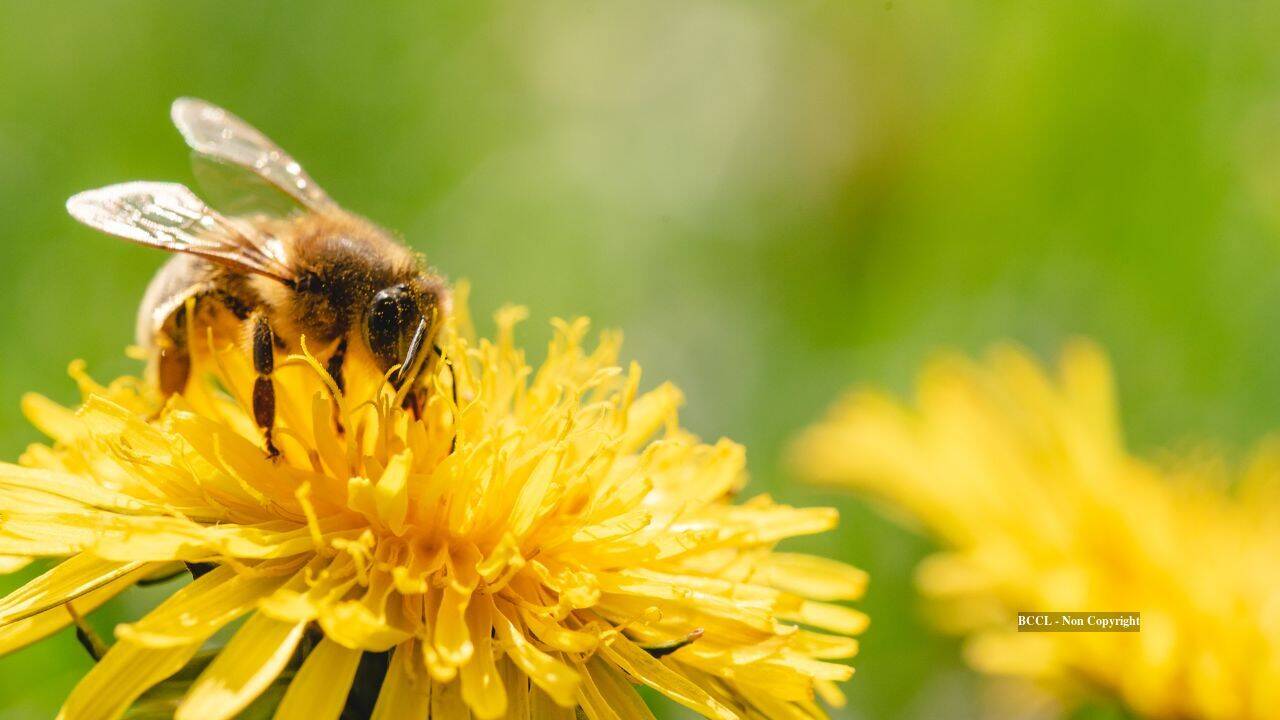
Honeybees in India are facing a challenging time in August, despite it being a summer month. Typically, summer is associated with an abundance of nectar-rich flowers, which are the primary source of food for honeybees. However, in August, the nectar flow from flowers starts to decline, leading to a scarcity of food for these vital pollinators.
The decline in nectar flow is attributed to the changing weather patterns and the life cycle of flowers. As the summer months progress, the flowers that bloom in the early summer start to wither and die, reducing the availability of nectar. This reduction in nectar flow can have a significant impact on the health and well-being of honeybee colonies.
Honeybees rely heavily on nectar to produce honey, which is their primary source of energy. Without an adequate supply of nectar, honeybee colonies can become weak and vulnerable to diseases. Beekeepers are advised to monitor their colonies closely during this period and provide supplemental feeding if necessary.
The phenomenon of August being a hungry month for honeybees is not unique to India. Beekeepers in other parts of the world also experience a similar decline in nectar flow during the late summer months. This highlights the importance of understanding the local flora and fauna, as well as the life cycle of flowers, to better manage honeybee colonies.
In India, the decline in nectar flow in August can be mitigated by planting nectar-rich flowers that bloom during this period. Beekeepers can also consider providing supplemental feeding to their colonies to ensure they have an adequate supply of energy.
The health of honeybee colonies is crucial for the ecosystem, as they play a vital role in pollinating crops and flowers. Any decline in their population can have significant consequences for the environment and food production.
In conclusion, August can be a challenging month for honeybees in India, despite being a summer month. The decline in nectar flow from flowers can lead to a scarcity of food, making it essential for beekeepers to monitor their colonies closely and provide supplemental feeding if necessary.
The importance of honeybees in the ecosystem cannot be overstated. They are responsible for pollinating many crops, including fruits, vegetables, and nuts. Without honeybees, many of these crops would be unable to reproduce, leading to a significant decline in food production.
Overall, the phenomenon of August being a hungry month for honeybees highlights the need for beekeepers to be aware of the changing weather patterns and the life cycle of flowers. By understanding these factors, beekeepers can take steps to mitigate the decline in nectar flow and ensure the health and well-being of their honeybee colonies.
As the world grapples with the challenges of climate change, the importance of pollinators like honeybees will only continue to grow. It is essential that we take steps to protect and conserve these vital pollinators, not just for the health of the ecosystem but also for the future of food production.
In the context of India, the government and other stakeholders can play a crucial role in promoting beekeeping and protecting honeybee colonies. This can be achieved through initiatives such as planting nectar-rich flowers, providing training and support to beekeepers, and implementing policies to protect the environment and conserve pollinators.
Ultimately, the health of honeybee colonies is a collective responsibility, and it requires the efforts of beekeepers, policymakers, and the general public to ensure the long-term sustainability of these vital pollinators.
The impact of a decline in honeybee populations can be far-reaching, with significant consequences for the environment, food production, and the economy. It is essential that we take a proactive approach to protecting and conserving honeybee colonies, not just in India but also globally.
By working together, we can ensure the health and well-being of honeybee colonies and protect the ecosystem for future generations.
In India, there are several initiatives underway to promote beekeeping and protect honeybee colonies. These initiatives include training programs for beekeepers, awareness campaigns to promote the importance of pollinators, and policies to protect the environment and conserve pollinators.
The future of honeybee colonies in India looks promising, with a growing number of beekeepers and a increasing awareness of the importance of pollinators. However, more needs to be done to address the challenges facing honeybee colonies, including the decline in nectar flow during the late summer months.
In conclusion, August can be a hungry month for honeybees in India, but by understanding the changing weather patterns and the life cycle of flowers, beekeepers can take steps to mitigate the decline in nectar flow and ensure the health and well-being of their honeybee colonies.
The importance of honeybees in the ecosystem cannot be overstated, and it is essential that we take a proactive approach to protecting and conserving these vital pollinators. By working together, we can ensure the long-term sustainability of honeybee colonies and protect the ecosystem for future generations.
August being a hungry month for honeybees is a reminder of the importance of pollinators in the ecosystem and the need for sustainable beekeeping practices. It highlights the importance of understanding the local flora and fauna, as well as the life cycle of flowers, to better manage honeybee colonies.
In the end, the health of honeybee colonies is a collective responsibility, and it requires the efforts of beekeepers, policymakers, and the general public to ensure the long-term sustainability of these vital pollinators.
Frequently asked questions
Why do honeybees face hunger in August?
Honeybees face hunger in August due to the decline in nectar flow from flowers, which is their primary source of food.
What can beekeepers do to mitigate the decline in nectar flow?
Beekeepers can plant nectar-rich flowers that bloom during this period and provide supplemental feeding to their colonies to ensure they have an adequate supply of energy.