India Protests Kashmir Map Error At Dhaka Seminar
India objects to incorrect map, diplomat asserts Kashmir is part of India.

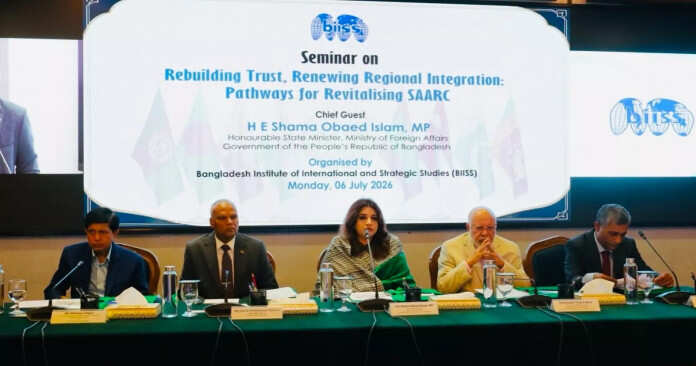
A diplomatic incident occurred at a seminar in Dhaka, Bangladesh, where a map was displayed showing Kashmir as part of Pakistan. The seminar, organized by the Bangladesh Institute of International and Strategic Studies, was the venue for the controversy.
The map in question was presented by a former ambassador during a presentation, prompting an immediate objection from an Indian diplomat in attendance. The diplomat categorically stated that Jammu and Kashmir is an integral part of India, emphasizing the country's stance on the region.
The former ambassador attempted to downplay the issue, claiming that the map was used for representational purposes only. However, the Indian diplomat's swift response underscored the sensitivity of the Kashmir issue and India's strong position on its territorial integrity.
The incident highlights the ongoing complexities and tensions surrounding the Kashmir region, with India and Pakistan having long-standing differences over its status. The error in the map, even if intended for representational purposes, was seen as a significant mistake given the geopolitical context.
The protest lodged by the Indian diplomat serves as a reminder of the importance of accurate representation of territorial boundaries, especially in international forums and seminars. It also reflects India's consistent stance on Kashmir, which it considers an integral part of its territory.
The Bangladesh Institute of International and Strategic Studies, as the organizer of the seminar, will likely take steps to ensure such errors are avoided in the future, given the potential for diplomatic incidents. The incident may also prompt a review of materials and presentations to prevent similar mistakes from occurring.
In terms of impact, the incident, while significant in the context of India-Pakistan relations, is not expected to have immediate major repercussions on bilateral ties between India and Bangladesh. However, it underscores the need for careful handling of sensitive geopolitical issues in international gatherings and seminars.