Parsi-Zoroastrian War Martyrs Honoured In Mumbai
Mumbai pays tribute to Parsi-Zoroastrian war martyrs, Military veterans attend ceremony
'%3E%3Crect%20width%3D'96'%20height%3D'96'%20fill%3D'%23B3261E'%2F%3E%3Ccircle%20cx%3D'30'%20cy%3D'24'%20r%3D'44'%20fill%3D'%23fff'%20opacity%3D'.12'%2F%3E%3Ccircle%20cx%3D'60'%20cy%3D'74'%20r%3D'40'%20fill%3D'%23000'%20opacity%3D'.10'%2F%3E%3C%2Fg%3E%3Cg%20fill%3D'%23fff'%3E%3Crect%20x%3D'29'%20y%3D'49'%20width%3D'8'%20height%3D'19'%20rx%3D'1'%2F%3E%3Crect%20x%3D'39'%20y%3D'40'%20width%3D'9'%20height%3D'28'%20rx%3D'1'%2F%3E%3Crect%20x%3D'50'%20y%3D'45'%20width%3D'8'%20height%3D'23'%20rx%3D'1'%2F%3E%3Crect%20x%3D'60'%20y%3D'53'%20width%3D'7'%20height%3D'15'%20rx%3D'1'%2F%3E%3Crect%20x%3D'41'%20y%3D'34'%20width%3D'5'%20height%3D'6'%2F%3E%3C%2Fg%3E%3C%2Fsvg%3E)
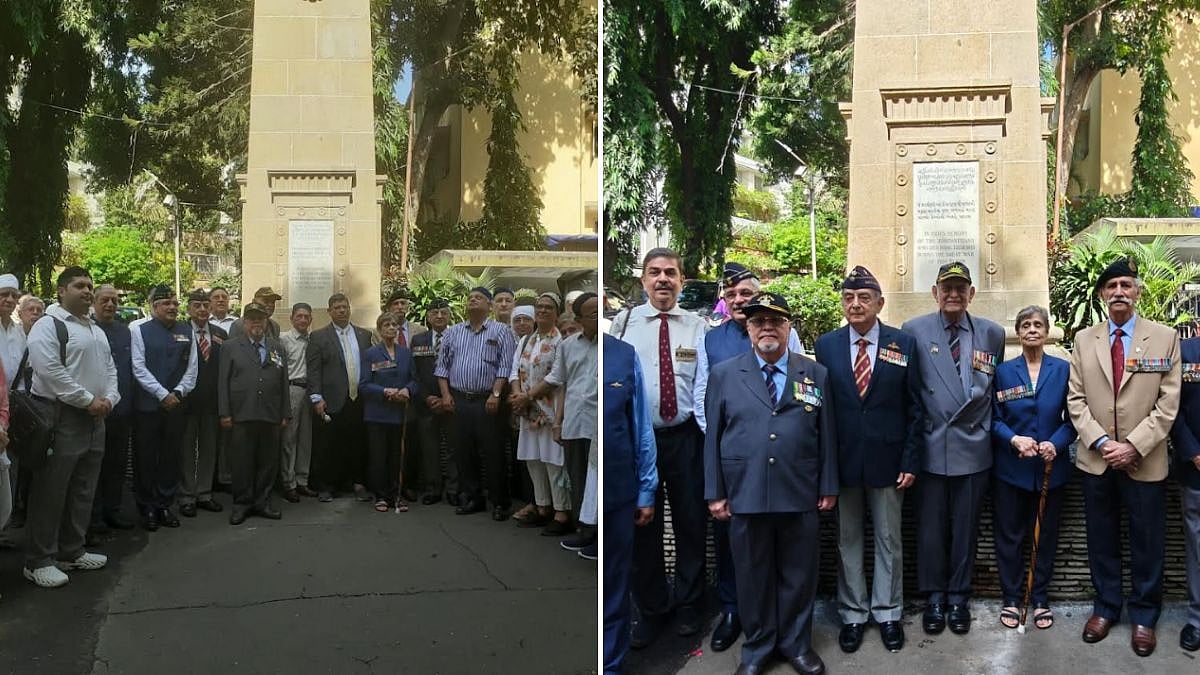
On Wednesday morning, a ceremony was held at the century-old Khareghat Colony cenotaph in Mumbai to honour Parsi-Zoroastrian war martyrs who died during the First World War. The annual commemoration, which takes place during the Zoroastrian 'All Souls' period known as Frawardigan, saw military veterans and members of the public gather to pay their respects.
The cenotaph, erected in 1926, is a unique memorial as it was built by citizens rather than the military. Commodore (retired) Aspi Marker, a veteran of the 1971 India-Pakistan war and the 1999 Kargil conflict, attended the ceremony and highlighted the memorial's significance. Marker, who served in the Indian Navy from 1969 to 2005, said that the cenotaph is one of a kind and that it is maintained by the Bombay Parsi Punchayet (BPP).
The ceremony, organised by the Bombay Parsi Association (BPA), saw wreaths laid in memory of nearly 30 Parsi-Zoroastrians who died during the First World War. The names of the martyrs are inscribed on plaques at the memorial, which also commemorates members of the community who died in the Second World War, the India-China conflict of 1962, and the India-Pakistan wars of 1965 and 1971.
Xerxes Dastur, BPP trustee and BPA president, said that the association has been organising the ceremony for over 60 years to remember Parsi and Irani veterans of the Army, Navy, and Air Force. This year's ceremony was especially significant as it marked the centenary of the cenotaph.
The Khareghat Colony memorial is a testament to the community's contribution to the country's war efforts. The ceremony is open to anyone wishing to attend and is an opportunity for the public to pay their respects to the war martyrs.
The Parsi-Zoroastrian community has a long history of contributing to the country's military efforts. The community has produced many notable military personnel, including Commodore Marker, who has served in various capacities during his time in the Indian Navy.
The annual commemoration is an important event for the community, and it serves as a reminder of the sacrifices made by the war martyrs. The ceremony is a way for the community to come together and pay their respects to those who have given their lives for the country.
In conclusion, the ceremony held at the Khareghat Colony cenotaph is a significant event that honours the memory of Parsi-Zoroastrian war martyrs. The community's contribution to the country's military efforts is a testament to their patriotism and dedication to the nation.
The event is also a reminder of the importance of remembering and honouring the sacrifices made by those who have served in the military. It is a way for the community to come together and pay their respects to the war martyrs, and it serves as a reminder of the community's rich history and heritage.
The ceremony is a significant event in the city's calendar, and it is an opportunity for the public to learn more about the community's history and contribution to the country's military efforts. It is a way for the community to engage with the public and promote awareness about the importance of remembering and honouring the war martyrs.
In Mumbai, the ceremony is an important event that brings the community together and promotes a sense of patriotism and national pride. It is a reminder of the community's rich history and heritage, and it serves as a way for the community to honour the memory of those who have given their lives for the country.
The event is a significant part of the city's cultural calendar, and it is an opportunity for the public to learn more about the community's history and contribution to the country's military efforts. It is a way for the community to engage with the public and promote awareness about the importance of remembering and honouring the war martyrs.
In conclusion, the ceremony held at the Khareghat Colony cenotaph is a significant event that honours the memory of Parsi-Zoroastrian war martyrs. The community's contribution to the country's military efforts is a testament to their patriotism and dedication to the nation, and the ceremony serves as a reminder of the importance of remembering and honouring the sacrifices made by those who have served in the military.
Frequently asked questions
What is the significance of the Khareghat Colony cenotaph?
The Khareghat Colony cenotaph is a unique memorial built by citizens rather than the military, and it commemorates Parsi-Zoroastrian war martyrs who died during the First World War.
Who organised the ceremony?
The ceremony was organised by the Bombay Parsi Association (BPA) to remember Parsi and Irani veterans of the Army, Navy, and Air Force.