Supreme Court Orders Release Policy For Elderly Prisoners
Elderly and terminally ill prisoners may be released soon. Supreme Court directs states to create a policy.
'%3E%3Crect%20width%3D'96'%20height%3D'96'%20fill%3D'%23B3261E'%2F%3E%3Ccircle%20cx%3D'30'%20cy%3D'24'%20r%3D'44'%20fill%3D'%23fff'%20opacity%3D'.12'%2F%3E%3Ccircle%20cx%3D'60'%20cy%3D'74'%20r%3D'40'%20fill%3D'%23000'%20opacity%3D'.10'%2F%3E%3C%2Fg%3E%3Cg%20fill%3D'%23fff'%3E%3Crect%20x%3D'29'%20y%3D'49'%20width%3D'8'%20height%3D'19'%20rx%3D'1'%2F%3E%3Crect%20x%3D'39'%20y%3D'40'%20width%3D'9'%20height%3D'28'%20rx%3D'1'%2F%3E%3Crect%20x%3D'50'%20y%3D'45'%20width%3D'8'%20height%3D'23'%20rx%3D'1'%2F%3E%3Crect%20x%3D'60'%20y%3D'53'%20width%3D'7'%20height%3D'15'%20rx%3D'1'%2F%3E%3Crect%20x%3D'41'%20y%3D'34'%20width%3D'5'%20height%3D'6'%2F%3E%3C%2Fg%3E%3C%2Fsvg%3E)
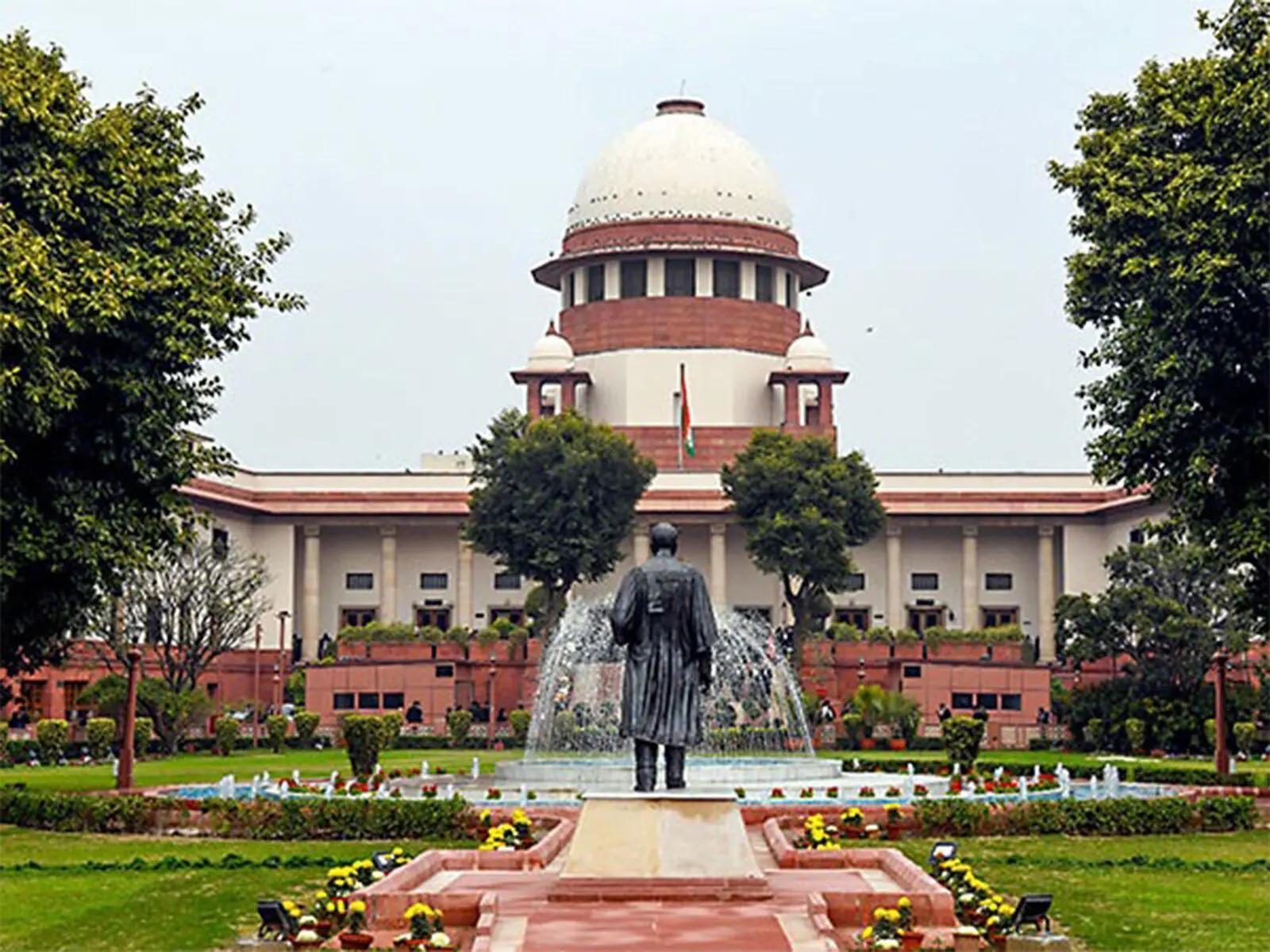
The Supreme Court has directed all states and Union Territories to formulate a policy for the release of elderly and terminally ill prisoners. This move aims to ensure that constitutional values are upheld within prison walls, emphasizing the importance of dignity and humane treatment for all inmates.
The court's directive is based on the principle of upholding human rights and providing a more compassionate approach to prisoners who are either elderly or suffering from terminal illnesses. According to available data, there are over 5,000 prisoners who fall into these vulnerable categories.
The Supreme Court has given states and Union Territories a deadline of three months to create and implement this policy. This timeframe is expected to provide sufficient time for the authorities to develop a comprehensive framework for the release of eligible prisoners.
The policy is expected to take into account various factors, including the prisoner's age, health condition, and the nature of their crime. It is also likely to involve a thorough review of each case to determine whether the prisoner is eligible for release.
The move has been welcomed by human rights activists, who argue that imprisoning elderly and terminally ill individuals serves no purpose and only adds to their suffering. They also point out that releasing such prisoners can help reduce the burden on the prison system and allow for more resources to be allocated to those who are in need of rehabilitation.
In recent years, there has been a growing recognition of the need to reform the prison system and provide more humane treatment to inmates. This directive from the Supreme Court is seen as a significant step in this direction, as it acknowledges the importance of treating prisoners with dignity and respect.
The Supreme Court's order is also in line with international human rights standards, which emphasize the need to provide humane treatment to all prisoners, regardless of their background or circumstances. By directing states and Union Territories to formulate a policy for the release of elderly and terminally ill prisoners, the court is ensuring that India's prison system is more in line with these international standards.
As the states and Union Territories work to develop this policy, it is expected that there will be a thorough review of the existing prison system and the laws that govern it. This review may lead to further reforms and changes, aimed at creating a more compassionate and humane approach to imprisonment.
In conclusion, the Supreme Court's directive to create a policy for the release of elderly and terminally ill prisoners is a significant step towards upholding human rights and providing a more compassionate approach to imprisonment. The implementation of this policy is expected to have a positive impact on the lives of thousands of prisoners and their families, and is a welcome move towards creating a more humane prison system.
The move is significant for India as it shows the judiciary's commitment to protecting human rights and ensuring that the prison system is fair and just. It also highlights the need for a more compassionate approach to imprisonment, one that takes into account the dignity and well-being of all prisoners, regardless of their background or circumstances.