West Bengal Team Studies Indore's Swachh Model
West Bengal delegation visits Indore to replicate its waste management model. Team led by State Cabinet Minister Dilip Ghosh reviews waste management chain.
'%3E%3Crect%20width%3D'96'%20height%3D'96'%20fill%3D'%23B3261E'%2F%3E%3Ccircle%20cx%3D'30'%20cy%3D'24'%20r%3D'44'%20fill%3D'%23fff'%20opacity%3D'.12'%2F%3E%3Ccircle%20cx%3D'60'%20cy%3D'74'%20r%3D'40'%20fill%3D'%23000'%20opacity%3D'.10'%2F%3E%3C%2Fg%3E%3Cg%20fill%3D'%23fff'%3E%3Crect%20x%3D'29'%20y%3D'49'%20width%3D'8'%20height%3D'19'%20rx%3D'1'%2F%3E%3Crect%20x%3D'39'%20y%3D'40'%20width%3D'9'%20height%3D'28'%20rx%3D'1'%2F%3E%3Crect%20x%3D'50'%20y%3D'45'%20width%3D'8'%20height%3D'23'%20rx%3D'1'%2F%3E%3Crect%20x%3D'60'%20y%3D'53'%20width%3D'7'%20height%3D'15'%20rx%3D'1'%2F%3E%3Crect%20x%3D'41'%20y%3D'34'%20width%3D'5'%20height%3D'6'%2F%3E%3C%2Fg%3E%3C%2Fsvg%3E)
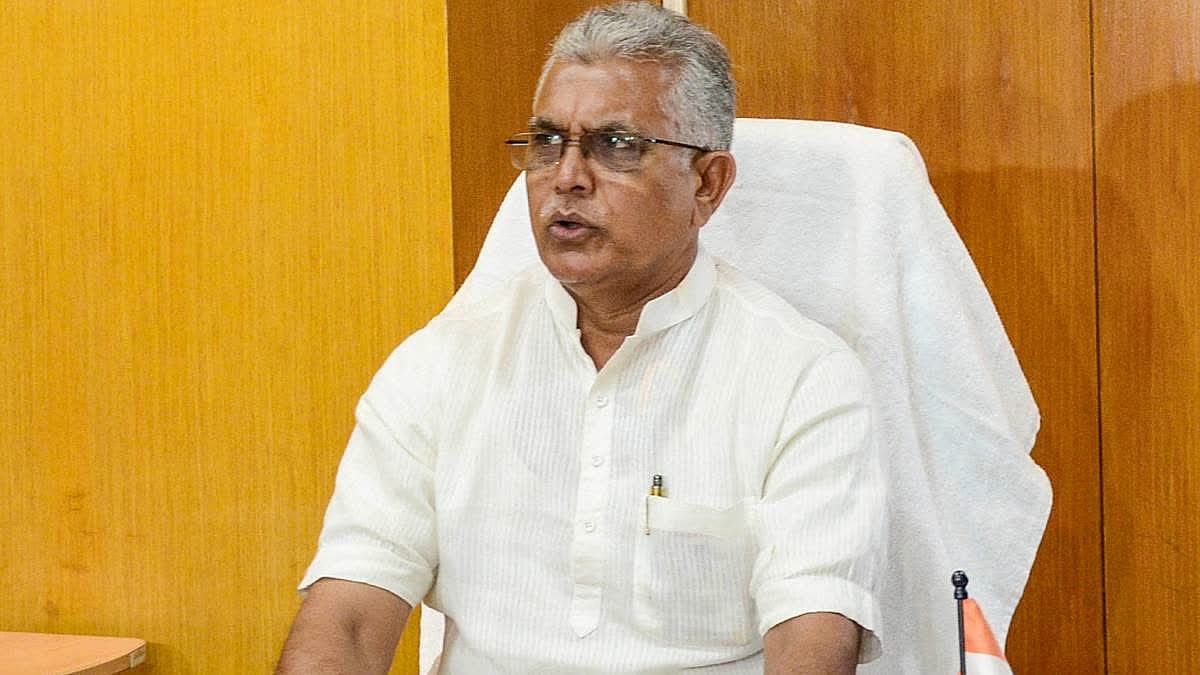
A team from West Bengal, led by State Cabinet Minister Dilip Ghosh, visited Indore on Thursday to study its waste management and sanitation model. The team aimed to replicate key elements of the model in West Bengal.
Ghosh, accompanied by officials and experts, undertook a one-day study tour and reviewed the entire waste management chain in Indore. This included the Command and Control Centre, door-to-door collection, waste segregation, transportation, and processing.
The team also visited field facilities and waste-processing plants to understand how the system operates. During the visit, Ghosh met Indore Mayor Pushyamitra Bhargav and discussed the city's sanitation system and its evolution over the years.
A detailed presentation on Indore's cleanliness model was also made to the delegation at the Command and Control Centre. The West Bengal delegation included IIT professor Niyogi, Pollution Control Board officials, engineers from Kharagpur, road development engineers, and officials associated with the Swachh Bharat Mission.
Mayor Bhargav said West Bengal was studying successful models from across the country and looking at ways to adapt them locally. He added that Indore's cleanliness model is an important part of this effort.
Minister Ghosh said Indore's success was not the result of a short-term effort but of nearly two decades of sustained work in sanitation. He stated that the delegation was not interested merely in seeing how streets are cleaned but wanted to understand the complete waste management cycle.
Ghosh acknowledged that West Bengal still has considerable ground to cover in urban sanitation. While some systems are in place, he said they are not adequate and that several aspects of Indore's model could provide useful lessons.
The delegation plans to study the systems in detail and explore their phased implementation in West Bengal based on local requirements. This move is expected to improve urban sanitation in West Bengal.
The visit highlights the importance of learning from successful models and implementing them in other regions. Indore's cleanliness model has been recognized nationally, and its replication in other states could lead to significant improvements in urban sanitation across the country.
In the context of India's urbanization and growing population, effective waste management and sanitation systems are crucial. The government's Swachh Bharat Mission aims to achieve a clean and healthy environment, and the replication of successful models like Indore's could contribute to achieving this goal.
Overall, the visit by the West Bengal team to Indore is a positive step towards improving urban sanitation in the state. It demonstrates the willingness to learn from others and implement effective solutions to address the challenges of waste management and sanitation.
Frequently asked questions
Why did the West Bengal team visit Indore?
The team visited Indore to study its waste management and sanitation model and replicate key elements in West Bengal.
What did the West Bengal team review during their visit?
The team reviewed the entire waste management chain in Indore, including the Command and Control Centre, door-to-door collection, waste segregation, transportation, and processing.