SC Judge Questions Detention Of Youths Over Ganga Iftar Gathering
Justice Ujjal Bhuyan criticizes arrest of 14 Muslim youths, says consuming chicken biryani is not an offence. Youths were detained for 3 months over iftar gathering on Ganga river.
'%3E%3Crect%20width%3D'96'%20height%3D'96'%20fill%3D'%231A5276'%2F%3E%3Ccircle%20cx%3D'30'%20cy%3D'24'%20r%3D'44'%20fill%3D'%23fff'%20opacity%3D'.12'%2F%3E%3Ccircle%20cx%3D'60'%20cy%3D'74'%20r%3D'40'%20fill%3D'%23000'%20opacity%3D'.10'%2F%3E%3C%2Fg%3E%3Cg%20fill%3D'%23fff'%3E%3Cpath%20d%3D'M31%2041%20L48%2031%20L65%2041%20Z'%2F%3E%3Crect%20x%3D'33'%20y%3D'43'%20width%3D'4'%20height%3D'17'%2F%3E%3Crect%20x%3D'41'%20y%3D'43'%20width%3D'4'%20height%3D'17'%2F%3E%3Crect%20x%3D'51'%20y%3D'43'%20width%3D'4'%20height%3D'17'%2F%3E%3Crect%20x%3D'59'%20y%3D'43'%20width%3D'4'%20height%3D'17'%2F%3E%3Crect%20x%3D'30'%20y%3D'62'%20width%3D'36'%20height%3D'4'%20rx%3D'1'%2F%3E%3C%2Fg%3E%3C%2Fsvg%3E)
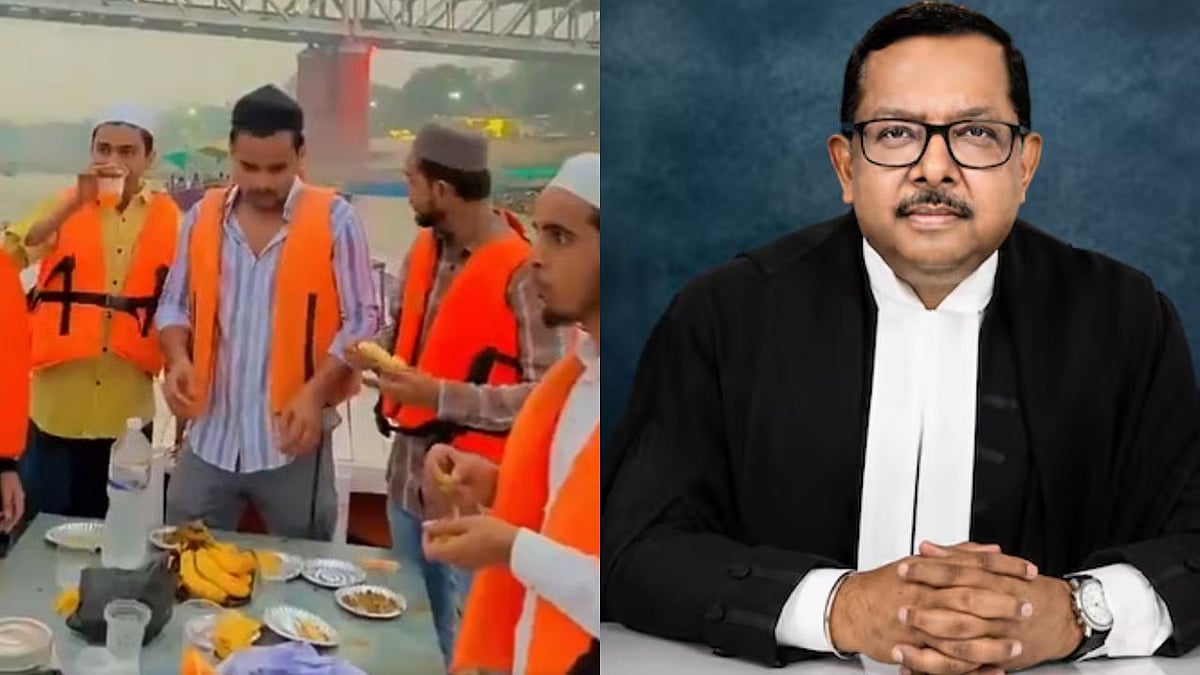
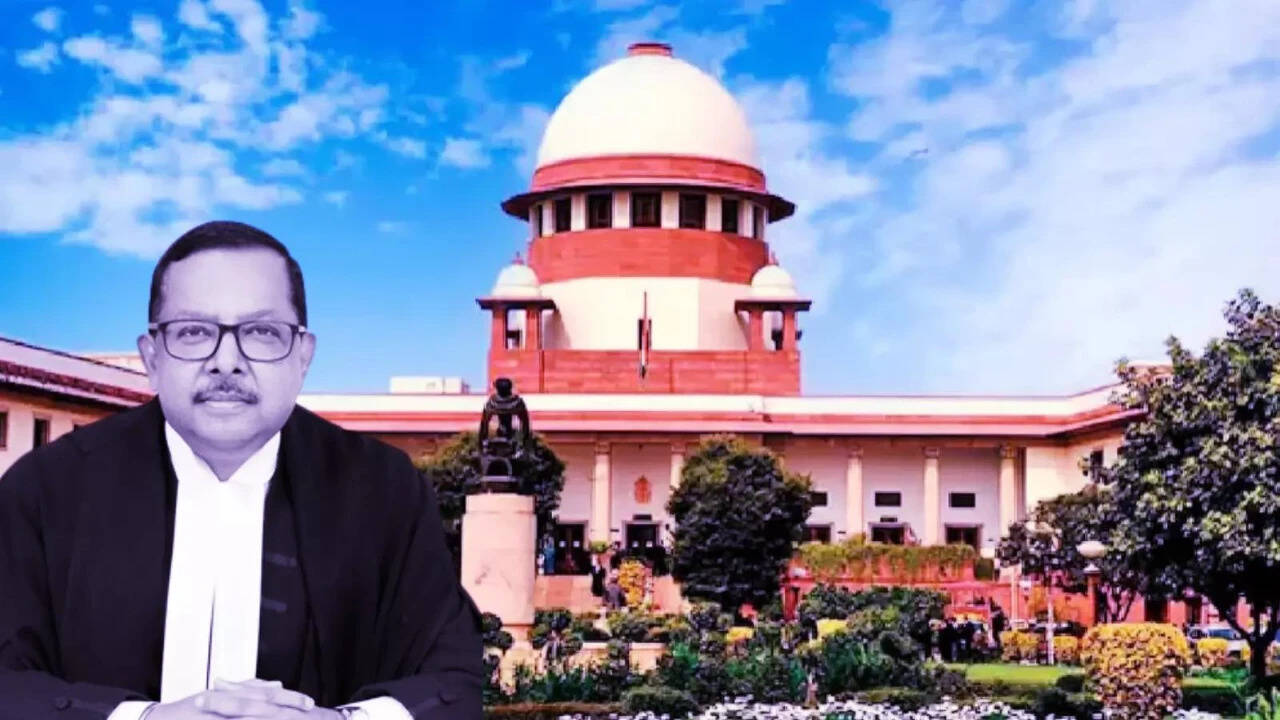
Justice Ujjal Bhuyan, a Supreme Court judge, has questioned the arrest and prolonged detention of 14 Muslim youths who organized an iftar gathering on a boat in the Ganga river in Varanasi. The youths were detained for over three months before being granted bail by the Allahabad High Court.
The case dates back to March 2026, when the youths organized the iftar gathering aboard a boat on the Ganga. A video of the event later went viral on social media, leading to police registering multiple cases against the group, including allegations of hurting religious sentiments, defiling a place of worship, public nuisance, and polluting the river.
Justice Bhuyan, speaking at the 4th Justice G.P. Singh Memorial Lecture at the National Law Institute University in Bhopal, criticized the arrest and detention of the youths, saying that consuming chicken biryani on the river is not an offence under the law. He questioned the legal basis for the youths' arrest and their prolonged incarceration, asking if people can be arrested and denied bail for three months for such an activity.
The judge's remarks came while discussing the importance of safeguarding constitutional freedoms and ensuring that arrests do not become punitive in nature. He stressed that courts must remain vigilant in protecting individual liberty and cited the case as an example of delayed bail and the need to protect peaceful expression and constitutional rights.
The Varanasi case has drawn attention to concerns over consistency in the criminal justice system, with reports emerging of another incident involving non-Muslims allegedly consuming alcohol and cooking chicken near the Ganga, where bail was granted more swiftly. Justice Bhuyan acknowledged that allegations such as pollution of the river or hurting religious sentiments must be examined by courts, but questioned whether the nature of the allegations justified such a lengthy period of incarceration.
The case has also raised concerns over personal liberty and the shrinking space for dissent. Justice Bhuyan's remarks highlight the need for the criminal justice system to balance the need to maintain law and order with the need to protect individual rights and freedoms.
In recent years, there have been several instances of people being arrested and detained for expressing their opinions or participating in peaceful gatherings. The Varanasi case is a reminder of the need for the judiciary to remain vigilant in protecting individual liberty and ensuring that the criminal justice system is not used to suppress dissent.
The incident has also sparked debate over the need for greater tolerance and understanding in society. The fact that the youths were detained for over three months for organizing an iftar gathering on a boat in the Ganga river has raised questions about the sensitivity and respect for different cultures and religions in India.
In conclusion, Justice Bhuyan's remarks on the Varanasi case highlight the need for the criminal justice system to protect individual liberty and ensure that arrests do not become punitive in nature. The case is a reminder of the importance of safeguarding constitutional freedoms and promoting tolerance and understanding in society.
The incident has significant implications for the country, as it raises questions about the balance between maintaining law and order and protecting individual rights and freedoms. It also highlights the need for greater consistency in the criminal justice system and for the judiciary to remain vigilant in protecting individual liberty.
Overall, the Varanasi case is a significant development in the ongoing debate over personal liberty and the shrinking space for dissent in India. It highlights the need for the criminal justice system to balance the need to maintain law and order with the need to protect individual rights and freedoms, and for the judiciary to remain vigilant in protecting individual liberty.
The case will likely have far-reaching implications for the country, as it raises important questions about the role of the criminal justice system in protecting individual liberty and promoting tolerance and understanding in society. It is a reminder of the need for the judiciary to remain vigilant in protecting individual liberty and ensuring that the criminal justice system is not used to suppress dissent.
In the end, the Varanasi case is a significant reminder of the importance of protecting individual liberty and promoting tolerance and understanding in society. It highlights the need for the criminal justice system to balance the need to maintain law and order with the need to protect individual rights and freedoms, and for the judiciary to remain vigilant in protecting individual liberty.
Frequently asked questions
What was the reason for the arrest of 14 Muslim youths in Varanasi?
The youths were arrested for organizing an iftar gathering on a boat in the Ganga river, with allegations including hurting religious sentiments, defiling a place of worship, public nuisance, and polluting the river.
How long were the youths detained before being granted bail?
The youths were detained for over three months before being granted bail by the Allahabad High Court.