Pune Girl Admitted via RTE Quota Based on Mother's Caste
6-year-old Arohee Jadhav to join Aditya English Medium School, Pune. HC orders admission by July 31.
'%3E%3Crect%20width%3D'96'%20height%3D'96'%20fill%3D'%23B3261E'%2F%3E%3Ccircle%20cx%3D'30'%20cy%3D'24'%20r%3D'44'%20fill%3D'%23fff'%20opacity%3D'.12'%2F%3E%3Ccircle%20cx%3D'60'%20cy%3D'74'%20r%3D'40'%20fill%3D'%23000'%20opacity%3D'.10'%2F%3E%3C%2Fg%3E%3Cg%20fill%3D'%23fff'%3E%3Crect%20x%3D'29'%20y%3D'49'%20width%3D'8'%20height%3D'19'%20rx%3D'1'%2F%3E%3Crect%20x%3D'39'%20y%3D'40'%20width%3D'9'%20height%3D'28'%20rx%3D'1'%2F%3E%3Crect%20x%3D'50'%20y%3D'45'%20width%3D'8'%20height%3D'23'%20rx%3D'1'%2F%3E%3Crect%20x%3D'60'%20y%3D'53'%20width%3D'7'%20height%3D'15'%20rx%3D'1'%2F%3E%3Crect%20x%3D'41'%20y%3D'34'%20width%3D'5'%20height%3D'6'%2F%3E%3C%2Fg%3E%3C%2Fsvg%3E)
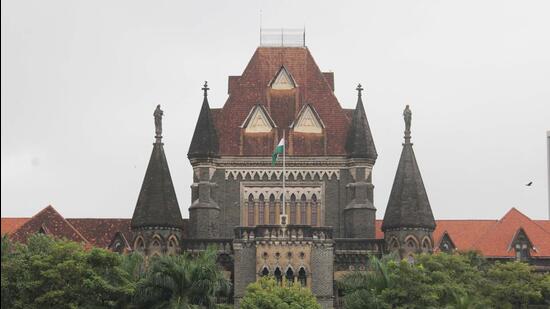
A significant judgment has been passed by the High Court, paving the way for a 6-year-old girl from Pune to be admitted to a school under the Right to Education (RTE) quota. Arohee Jadhav, the daughter of a deceased father, was facing hurdles in securing admission due to the requirement of her late father's caste certificate.
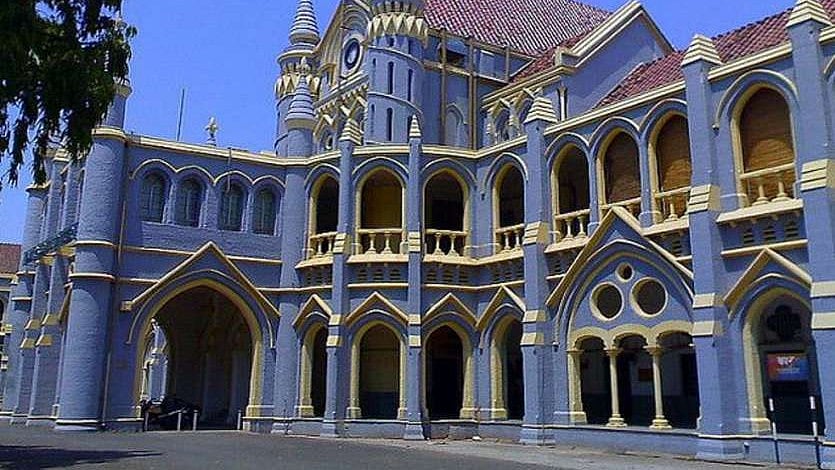
The High Court's single judge bench, headed by Justice NJ Jamadar, has ordered the authorities to grant admission to Arohee at the Aditya English Medium School in Pune through the RTE quota. The court has specified that the admission should be completed by July 31.
The judgment is noteworthy as it allows Arohee's admission to be facilitated based on her mother's caste certificate, rather than insisting on the production of her late father's certificate. This decision is expected to bring relief to the family, who had been struggling to secure admission for the young girl.
The RTE quota is a provision under the Right to Education Act, which mandates that a certain percentage of seats in private schools be reserved for children from disadvantaged backgrounds. The quota aims to promote social inclusion and provide opportunities for underprivileged children to access quality education.
In this case, Arohee's family had been facing difficulties in obtaining her late father's caste certificate, which was required for admission under the RTE quota. The High Court's judgment has now paved the way for her admission, based on her mother's caste certificate.
The decision highlights the importance of the RTE quota in promoting social inclusion and providing opportunities for underprivileged children. It also underscores the need for flexibility and sensitivity in the implementation of the quota, particularly in cases where families may be facing difficulties in producing required documents.
The High Court's judgment is a significant step forward in ensuring that children like Arohee have access to quality education, regardless of their background or circumstances. As the admission process moves forward, it is hoped that Arohee will be able to begin her educational journey without further hurdles.
In the broader context, this judgment has implications for the implementation of the RTE quota in Maharashtra and beyond. It highlights the need for a nuanced and sensitive approach to the implementation of the quota, taking into account the unique circumstances of each family.
For Arohee and her family, the judgment brings a sense of relief and hope for the future. As she prepares to begin her educational journey, it is clear that the High Court's decision will have a lasting impact on her life and opportunities.
In conclusion, the High Court's judgment in Arohee's case is a significant milestone in the implementation of the RTE quota. It underscores the importance of flexibility, sensitivity, and social inclusion in the provision of education, and highlights the need for a nuanced approach to the implementation of the quota.
The judgment is also a reminder of the importance of access to quality education for all children, regardless of their background or circumstances. As Arohee begins her educational journey, it is hoped that she will be able to reach her full potential and make the most of the opportunities available to her.
The High Court's decision has far-reaching implications for the education sector in Maharashtra and beyond. It is a significant step forward in promoting social inclusion and providing opportunities for underprivileged children, and is expected to have a lasting impact on the lives of children like Arohee.
In the end, the judgment is a testament to the power of the judiciary in promoting social justice and protecting the rights of marginalized communities. It is a reminder that the law can be a powerful tool for promoting social change and advancing the cause of justice and equality.
The case of Arohee Jadhav is a powerful example of the impact that the judiciary can have on the lives of individuals and communities. It highlights the importance of a fair and impartial judiciary in promoting social justice and protecting the rights of all citizens.
As the educational journey of Arohee begins, it is clear that the High Court's judgment will have a lasting impact on her life and opportunities. The judgment is a significant milestone in the implementation of the RTE quota, and is expected to have far-reaching implications for the education sector in Maharashtra and beyond.
The decision of the High Court is a reminder that the law can be a powerful tool for promoting social change and advancing the cause of justice and equality. It is a testament to the power of the judiciary in promoting social justice and protecting the rights of marginalized communities.
In conclusion, the High Court's judgment in Arohee's case is a significant step forward in promoting social inclusion and providing opportunities for underprivileged children. It highlights the importance of flexibility, sensitivity, and social inclusion in the provision of education, and underscores the need for a nuanced approach to the implementation of the RTE quota.
The judgment is a powerful example of the impact that the judiciary can have on the lives of individuals and communities. It is a reminder that the law can be a powerful tool for promoting social change and advancing the cause of justice and equality.
The case of Arohee Jadhav is a significant milestone in the implementation of the RTE quota, and is expected to have far-reaching implications for the education sector in Maharashtra and beyond. The High Court's judgment is a testament to the power of the judiciary in promoting social justice and protecting the rights of marginalized communities.
The decision of the High Court is a reminder that access to quality education is a fundamental right of all children, regardless of their background or circumstances. It is a powerful example of the impact that the judiciary can have on the lives of individuals and communities, and highlights the importance of a fair and impartial judiciary in promoting social justice and protecting the rights of all citizens.
The judgment is a significant step forward in promoting social inclusion and providing opportunities for underprivileged children. It underscores the importance of flexibility, sensitivity, and social inclusion in the provision of education, and highlights the need for a nuanced approach to the implementation of the RTE quota.
In the end, the High Court's judgment in Arohee's case is a powerful reminder of the importance of access to quality education for all children, regardless of their background or circumstances. It is a testament to the power of the judiciary in promoting social justice and protecting the rights of marginalized communities, and is expected to have a lasting impact on the lives of children like Arohee.
The decision of the High Court is a significant milestone in the implementation of the RTE quota, and is expected to have far-reaching implications for the education sector in Maharashtra and beyond. It highlights the importance of a fair and impartial judiciary in promoting social justice and protecting the rights of all citizens, and is a powerful example of the impact that the judiciary can have on the lives of individuals and communities.
The judgment is a reminder that the law can be a powerful tool for promoting social change and advancing the cause of justice and equality. It is a testament to the power of the judiciary in promoting social justice and protecting the rights of marginalized communities, and is expected to have a lasting impact on the lives of children like Arohee.
The case of Arohee Jadhav is a significant step forward in promoting social inclusion and providing opportunities for underprivileged children. It highlights the importance of flexibility, sensitivity, and social inclusion in the provision of education, and underscores the need for a nuanced approach to the implementation of the RTE quota.
The High Court's judgment is a powerful example of the impact that the judiciary can have on the lives of individuals and communities. It is a reminder that access to quality education is a fundamental right of all children, regardless of their background or circumstances, and is a testament to the power of the judiciary in promoting social justice and protecting the rights of marginalized communities.
The decision of the High Court is a significant milestone in the implementation of the RTE quota, and is expected to have far-reaching implications for the education sector in Maharashtra and beyond. It highlights the importance of a fair and impartial judiciary in promoting social justice and protecting the rights of all citizens, and is a powerful example of the impact that the judiciary can have on the lives of individuals and communities.
The judgment is a reminder that the law can be a powerful tool for promoting social change and advancing the cause of justice and equality. It is a testament to the power of the judiciary in promoting social justice and protecting the rights of marginalized communities, and is expected to have a lasting impact on the lives of children like Arohee.
The case of Arohee Jadhav is a significant step forward in promoting social inclusion and providing opportunities for underprivileged children. It highlights the importance of flexibility, sensitivity, and social inclusion in the provision of education, and underscores the need for a nuanced approach to the implementation of the RTE quota.
The High Court's judgment is a powerful example of the impact that the judiciary can have on the lives of individuals and communities. It is a reminder that access to quality education is a fundamental right of all children, regardless of their background or circumstances, and is a testament to the power of the judiciary in promoting social justice and protecting the rights of marginalized communities.
The decision of the High Court is a significant milestone in the implementation of the RTE quota, and is expected to have far-reaching implications for the education sector in Maharashtra and beyond. It highlights the importance of a fair and impartial judiciary in promoting social justice and protecting the rights of all citizens, and is a powerful example of the impact that the judiciary can have on the lives of individuals and communities.
The judgment is a reminder that the law can be a powerful tool for promoting social change and advancing the cause of justice and equality. It is a testament to the power of the judiciary in promoting social justice and protecting the rights of marginalized communities, and is expected to have a lasting impact on the lives of children like Arohee.
What it means for Mumbai and India is that the judiciary is taking a proactive role in promoting social inclusion and providing opportunities for underprivileged children. The High Court's judgment is a significant step forward in ensuring that all children have access to quality education, regardless of their background or circumstances. It highlights the importance of flexibility, sensitivity, and social inclusion in the provision of education, and underscores the need for a nuanced approach to the implementation of the RTE quota.
In conclusion, the High Court's judgment in Arohee's case is a significant milestone in the implementation of the RTE quota. It is a powerful example of the impact that the judiciary can have on the lives of individuals and communities, and highlights the importance of a fair and impartial judiciary in promoting social justice and protecting the rights of all citizens. The judgment is expected to have far-reaching implications for the education sector in Maharashtra and beyond, and is a reminder that access to quality education is a fundamental right of all children, regardless of their background or circumstances.
Frequently asked questions
What is the RTE quota and how does it work?
The RTE quota is a provision under the Right to Education Act that mandates a certain percentage of seats in private schools be reserved for children from disadvantaged backgrounds.
What is the significance of the High Court's judgment in Arohee's case?
The judgment is a significant milestone in the implementation of the RTE quota, and is expected to have far-reaching implications for the education sector in Maharashtra and beyond.