Beavers Restore Mount St Helens Wetland
Beavers help restore damaged landscape, but new project threatens progress.
'%3E%3Crect%20width%3D'96'%20height%3D'96'%20fill%3D'%23B3261E'%2F%3E%3Ccircle%20cx%3D'30'%20cy%3D'24'%20r%3D'44'%20fill%3D'%23fff'%20opacity%3D'.12'%2F%3E%3Ccircle%20cx%3D'60'%20cy%3D'74'%20r%3D'40'%20fill%3D'%23000'%20opacity%3D'.10'%2F%3E%3C%2Fg%3E%3Cg%20fill%3D'%23fff'%3E%3Crect%20x%3D'29'%20y%3D'49'%20width%3D'8'%20height%3D'19'%20rx%3D'1'%2F%3E%3Crect%20x%3D'39'%20y%3D'40'%20width%3D'9'%20height%3D'28'%20rx%3D'1'%2F%3E%3Crect%20x%3D'50'%20y%3D'45'%20width%3D'8'%20height%3D'23'%20rx%3D'1'%2F%3E%3Crect%20x%3D'60'%20y%3D'53'%20width%3D'7'%20height%3D'15'%20rx%3D'1'%2F%3E%3Crect%20x%3D'41'%20y%3D'34'%20width%3D'5'%20height%3D'6'%2F%3E%3C%2Fg%3E%3C%2Fsvg%3E)
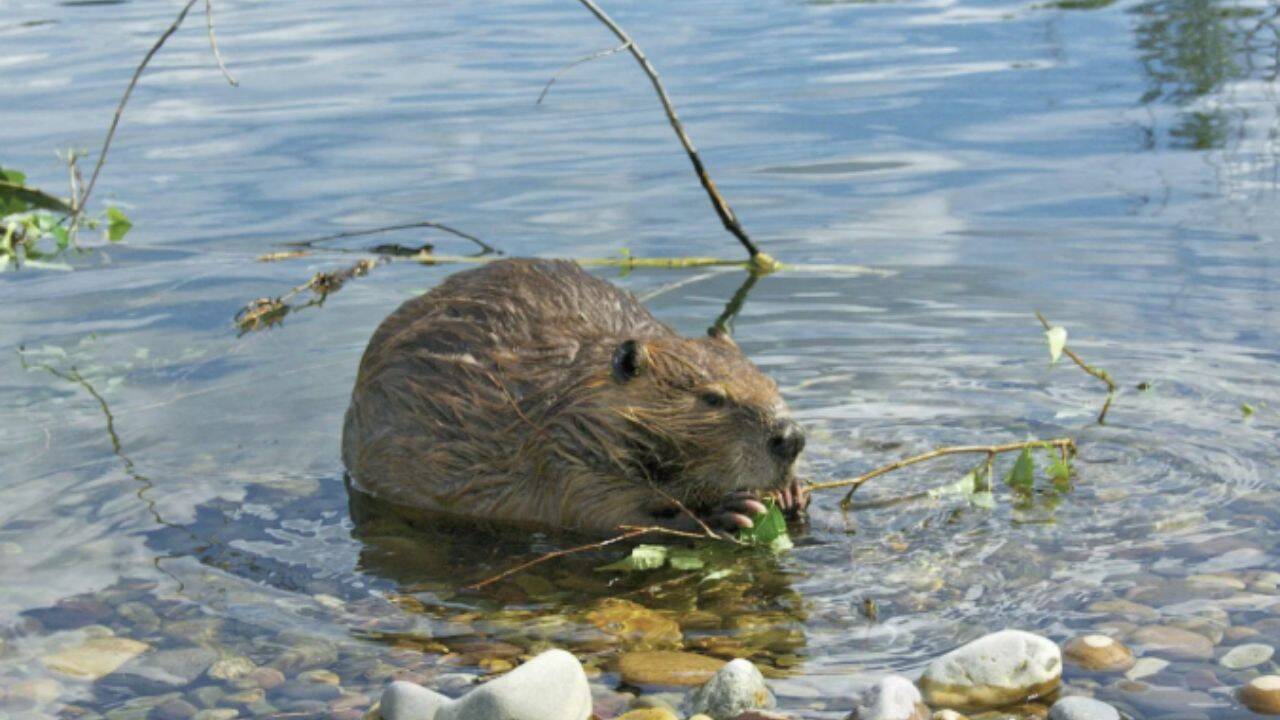
In a remarkable example of ecological restoration, a group of 58 beavers has transformed a barren wasteland in Mount St Helens into a thriving wetland. The area, which was severely damaged by the 1980 volcanic eruption, has seen a significant resurgence of native plants, fish, and wildlife due to the beavers' dams and wetlands.
The beavers, which were relocated to the area, have played a crucial role in restoring the damaged landscape. Their dams have helped to create a network of wetlands, ponds, and streams, which have in turn supported the growth of native vegetation and provided a habitat for various species of fish and wildlife.
However, conservationists are now concerned that a planned government project to raise a sediment retention structure could undo years of natural restoration. The project, which aims to prevent sediment from flowing into the nearby river, could potentially disrupt the delicate ecosystem that has been established in the area.
The Mount St Helens eruption, which occurred in 1980, was one of the most significant volcanic events in recent US history. The eruption caused widespread destruction, including the burial of a nearby river valley under volcanic sediment. The area has been slowly recovering since then, but the presence of the beavers has accelerated the process of restoration.
The restoration of the wetland is a testament to the importance of conservation efforts and the role that wildlife can play in restoring damaged ecosystems. However, it also highlights the need for careful planning and management to ensure that human activities do not harm the environment.
The planned government project has sparked concerns among conservationists, who fear that it could have unintended consequences on the ecosystem. They argue that the project could disrupt the natural flow of water, cause erosion, and harm the wildlife that has made the wetland their home.
As the debate over the project continues, it is clear that the restoration of the Mount St Helens wetland is a complex issue that requires careful consideration. While the beavers have played a significant role in restoring the area, it is ultimately up to humans to ensure that their actions do not harm the environment.
The story of the beavers and the Mount St Helens wetland serves as a reminder of the importance of preserving and protecting our natural environment. It highlights the need for sustainable practices and careful planning to ensure that human activities do not harm the ecosystem.
In conclusion, the restoration of the Mount St Helens wetland is a remarkable example of the power of nature and the importance of conservation efforts. While there are concerns about the planned government project, it is clear that the area has made significant progress in recent years, and it is up to humans to ensure that this progress is not undone.