Kansas Sees 103% Rise in Native Plant Richness After Bison Reintroduction
Bison reintroduction boosts native plant diversity. Kansas study shows significant gains.
'%3E%3Crect%20width%3D'96'%20height%3D'96'%20fill%3D'%23B3261E'%2F%3E%3Ccircle%20cx%3D'30'%20cy%3D'24'%20r%3D'44'%20fill%3D'%23fff'%20opacity%3D'.12'%2F%3E%3Ccircle%20cx%3D'60'%20cy%3D'74'%20r%3D'40'%20fill%3D'%23000'%20opacity%3D'.10'%2F%3E%3C%2Fg%3E%3Cg%20fill%3D'%23fff'%3E%3Crect%20x%3D'29'%20y%3D'49'%20width%3D'8'%20height%3D'19'%20rx%3D'1'%2F%3E%3Crect%20x%3D'39'%20y%3D'40'%20width%3D'9'%20height%3D'28'%20rx%3D'1'%2F%3E%3Crect%20x%3D'50'%20y%3D'45'%20width%3D'8'%20height%3D'23'%20rx%3D'1'%2F%3E%3Crect%20x%3D'60'%20y%3D'53'%20width%3D'7'%20height%3D'15'%20rx%3D'1'%2F%3E%3Crect%20x%3D'41'%20y%3D'34'%20width%3D'5'%20height%3D'6'%2F%3E%3C%2Fg%3E%3C%2Fsvg%3E)
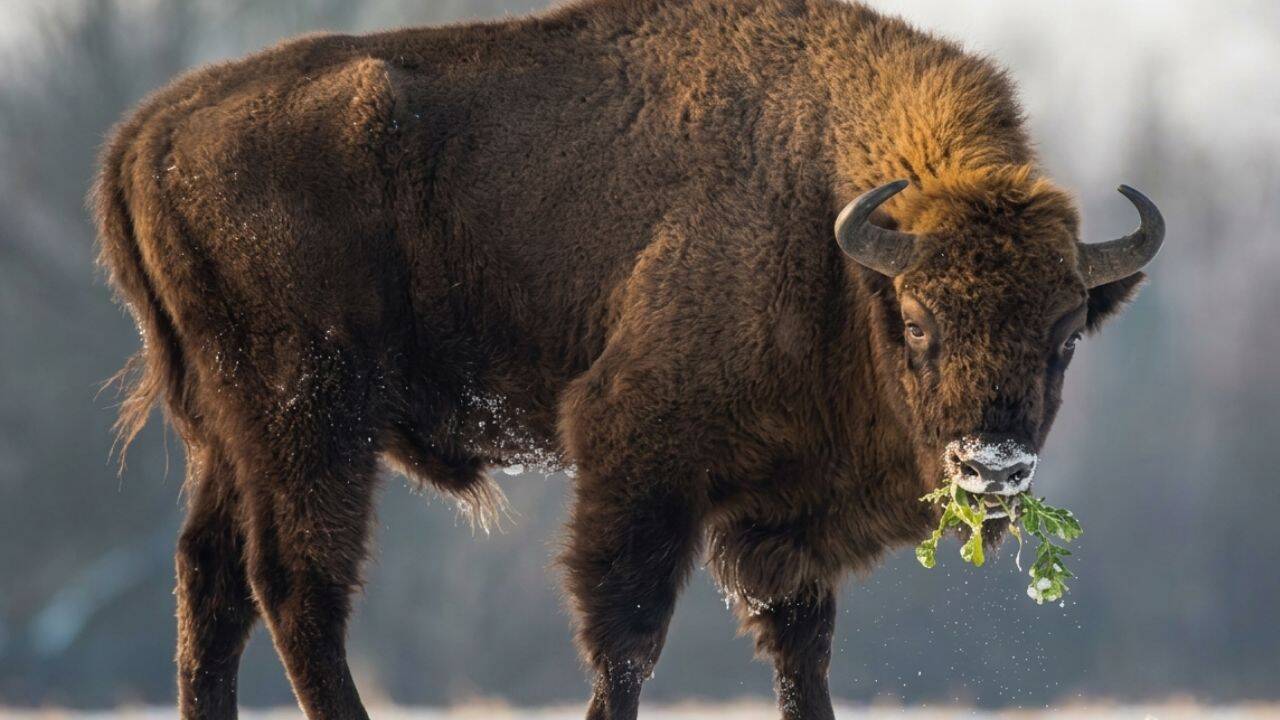
In a groundbreaking long-term study, Kansas' Konza Prairie has seen a remarkable increase in native plant diversity after the reintroduction of 30 bison in 1987. The study, which spanned 29 years, found that bison grazing was directly linked to a major rise in native plant richness.
The reintroduction of bison to the Konza Prairie was part of a larger effort to understand the ecology of grasslands. Researchers monitored the area closely, tracking changes in plant diversity and other ecological factors.
The results were striking: native species richness increased by 103% locally and 86% across catchments. This increase in plant diversity was not limited to a specific area, but was observed across the entire region.
One of the most significant aspects of the study was the ability of the ecosystem to recover after a severe drought. Despite the challenges posed by the drought, the gains in native plant diversity were maintained, demonstrating the resilience of the ecosystem.
The study's findings have important implications for conservation efforts. The reintroduction of native species, such as bison, can have a significant impact on ecosystem health and biodiversity.
The Konza Prairie, where the study was conducted, is a unique and valuable ecosystem. The prairie is home to a diverse range of plant and animal species, and is an important site for ecological research.
The study's results highlight the importance of preserving and restoring native ecosystems. By reintroducing native species and allowing them to play their natural role in the ecosystem, it is possible to promote biodiversity and ecosystem health.
The increase in native plant richness observed in the study is a significant finding, with important implications for conservation and ecosystem management. As efforts to preserve and restore native ecosystems continue, the findings of this study will be invaluable in informing and guiding these efforts.
In conclusion, the reintroduction of bison to Kansas' Konza Prairie has had a profound impact on native plant diversity, with significant gains in native species richness. The study's findings highlight the importance of preserving and restoring native ecosystems, and demonstrate the potential for conservation efforts to promote biodiversity and ecosystem health.
Frequently asked questions
What was the outcome of reintroducing bison to Kansas' Konza Prairie?
The reintroduction of bison led to a significant increase in native plant diversity, with native species richness increasing by 103% locally and 86% across catchments.
How did the ecosystem respond to a severe drought?
Despite the challenges posed by the drought, the gains in native plant diversity were maintained, demonstrating the resilience of the ecosystem.