Mumbai Enforces Marathi Language Rule For Drivers
Mumbai's new Marathi language rule affects autorickshaw and taxi drivers, altering commuting patterns. Drivers change routes to avoid checks, causing shortages in some areas.
'%3E%3Crect%20width%3D'96'%20height%3D'96'%20fill%3D'%23B3261E'%2F%3E%3Ccircle%20cx%3D'30'%20cy%3D'24'%20r%3D'44'%20fill%3D'%23fff'%20opacity%3D'.12'%2F%3E%3Ccircle%20cx%3D'60'%20cy%3D'74'%20r%3D'40'%20fill%3D'%23000'%20opacity%3D'.10'%2F%3E%3C%2Fg%3E%3Cg%20fill%3D'%23fff'%3E%3Crect%20x%3D'29'%20y%3D'49'%20width%3D'8'%20height%3D'19'%20rx%3D'1'%2F%3E%3Crect%20x%3D'39'%20y%3D'40'%20width%3D'9'%20height%3D'28'%20rx%3D'1'%2F%3E%3Crect%20x%3D'50'%20y%3D'45'%20width%3D'8'%20height%3D'23'%20rx%3D'1'%2F%3E%3Crect%20x%3D'60'%20y%3D'53'%20width%3D'7'%20height%3D'15'%20rx%3D'1'%2F%3E%3Crect%20x%3D'41'%20y%3D'34'%20width%3D'5'%20height%3D'6'%2F%3E%3C%2Fg%3E%3C%2Fsvg%3E)
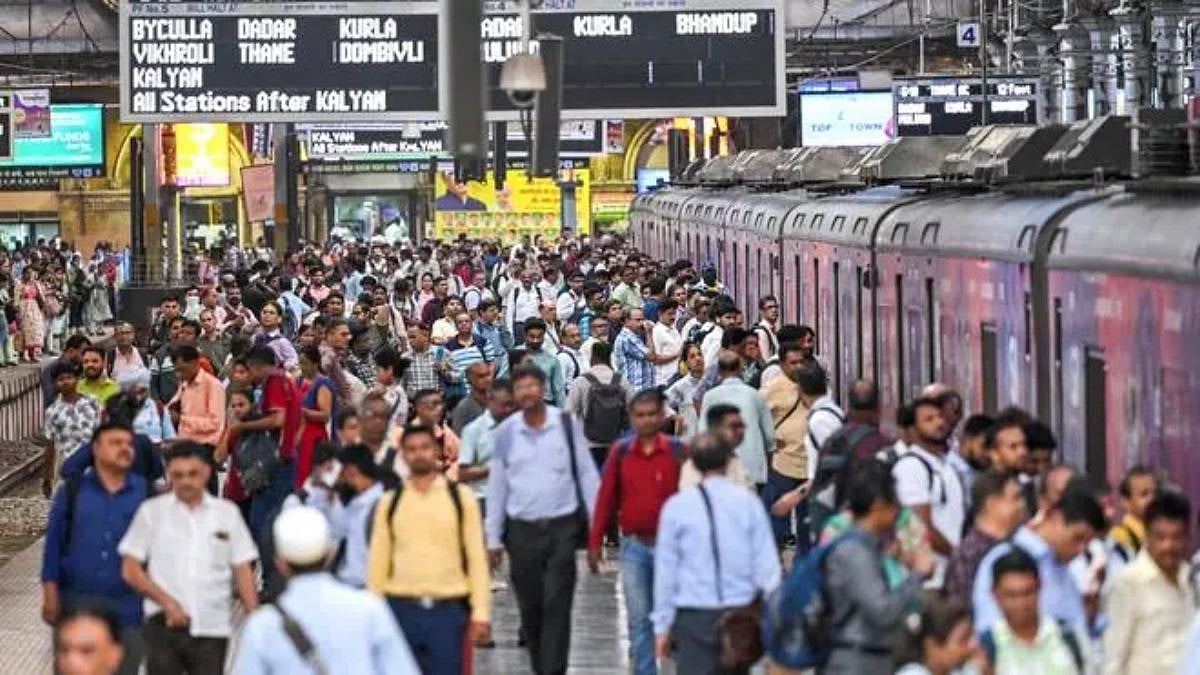
Mumbai's recent drive to enforce working knowledge of Marathi among autorickshaw and taxi drivers has already altered the city's commuting patterns. The policy, aimed at improving communication between drivers and passengers, has led to drivers changing routes to avoid checks near stations and commercial centres, while some have temporarily withdrawn their vehicles. This has resulted in shortages in certain pockets of the city.
The question arises whether this policy is practical in a city like Mumbai, which was built on the labour of migrants. The Kamathis, who arrived in the 19th and early 20th centuries, laid the physical foundations of the city, including its buildings, roads, and reclaimed ground. Later, in the 1990s, another wave of contractors, many of them Shettys, took over large parts of the construction industry and shaped the skyline of the liberalisation years. The city's business and stock markets have long operated in Gujarati, highlighting the fact that language has never been the sole adhesive of this place.
Contribution, not language, has been the binding factor in Mumbai. If working knowledge of Marathi is to be a condition of operating a public service vehicle, the infrastructure to acquire that knowledge must exist and function. While training programmes were conducted, thousands of videos from those sessions revealed that much of what was taught was not the colloquial Marathi of daily Mumbai conversation. Formal or literary registers do not help a driver negotiate a fare or explain a route change in traffic.
The government's own training facilities have stopped, and drivers are now expected to arrange tutorials themselves, highlighting the gap between mandate and means. Regional Transport Offices have finite enforcement capacity, and in a city whose public transport system still leaves large last-mile gaps, the men and women who drive autos and taxis perform a function that the formal network has not fully replaced. Directing that capacity toward underage driving, vehicle fitness, or other clear threats to public safety would serve a more immediate public purpose than testing conversational ability on workers already providing an essential service.
Language requirements are not inherently unreasonable, but in a city built by successive waves of migrants and still dependent on their labour for both its skyline and daily mobility, any such requirement must be matched by accessible, practical training in the language people actually speak on the street. Without that, the policy risks producing shortages and friction while leaving the original communication problem only partially addressed.
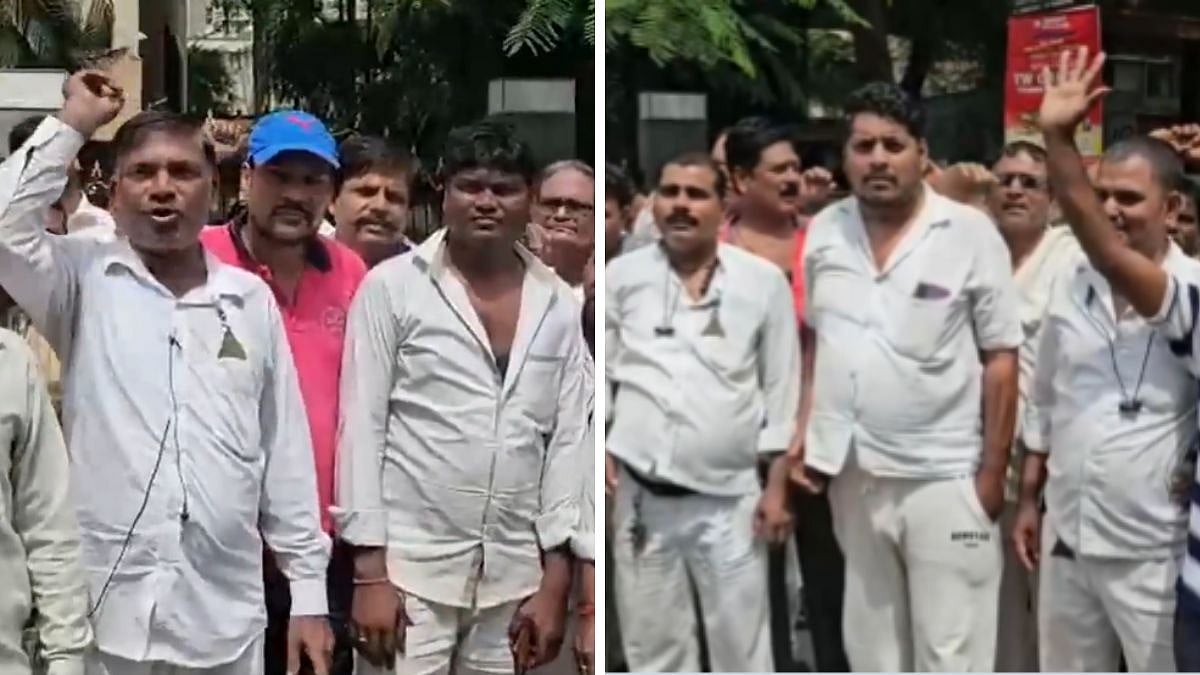
The auto and taxi unions have sought a three-month extension for compliance with the Marathi language rule, citing the need for more time to acquire the necessary language skills. This extension would provide drivers with the opportunity to receive practical training in colloquial Marathi, which would help them better communicate with passengers and navigate the city's streets.
In conclusion, while the intention behind the Marathi language rule may be good, its implementation requires a more nuanced approach. The city's authorities must consider the complexities of Mumbai's linguistic landscape and provide drivers with accessible and practical training in the language people actually speak on the street. Only then can the policy achieve its intended goal of improving communication between drivers and passengers, without causing undue hardship to the city's commuters.
The city's dependence on migrant labour for its daily mobility and skyline is a testament to the importance of inclusivity and accessibility in its policies. By providing drivers with the necessary language skills and training, the city can ensure that its public transport system is efficient, effective, and equitable for all.
Ultimately, the success of the Marathi language rule will depend on the city's ability to balance its linguistic and cultural heritage with the needs of its diverse population. By doing so, Mumbai can continue to thrive as a vibrant and inclusive city, where people from all backgrounds can live, work, and commute with ease.
Frequently asked questions
What is the new Marathi language rule for autorickshaw and taxi drivers in Mumbai?
The rule requires drivers to have a working knowledge of Marathi to operate a public service vehicle.
How has the new rule affected Mumbai's commuting patterns?
The rule has led to drivers changing routes to avoid checks, causing shortages in certain areas of the city.