Perfumes Use Unconventional Ingredients
Some perfumes contain unusual ingredients. Find out what they are.
'%3E%3Crect%20width%3D'96'%20height%3D'96'%20fill%3D'%23B3261E'%2F%3E%3Ccircle%20cx%3D'30'%20cy%3D'24'%20r%3D'44'%20fill%3D'%23fff'%20opacity%3D'.12'%2F%3E%3Ccircle%20cx%3D'60'%20cy%3D'74'%20r%3D'40'%20fill%3D'%23000'%20opacity%3D'.10'%2F%3E%3C%2Fg%3E%3Cg%20fill%3D'%23fff'%3E%3Crect%20x%3D'29'%20y%3D'49'%20width%3D'8'%20height%3D'19'%20rx%3D'1'%2F%3E%3Crect%20x%3D'39'%20y%3D'40'%20width%3D'9'%20height%3D'28'%20rx%3D'1'%2F%3E%3Crect%20x%3D'50'%20y%3D'45'%20width%3D'8'%20height%3D'23'%20rx%3D'1'%2F%3E%3Crect%20x%3D'60'%20y%3D'53'%20width%3D'7'%20height%3D'15'%20rx%3D'1'%2F%3E%3Crect%20x%3D'41'%20y%3D'34'%20width%3D'5'%20height%3D'6'%2F%3E%3C%2Fg%3E%3C%2Fsvg%3E)
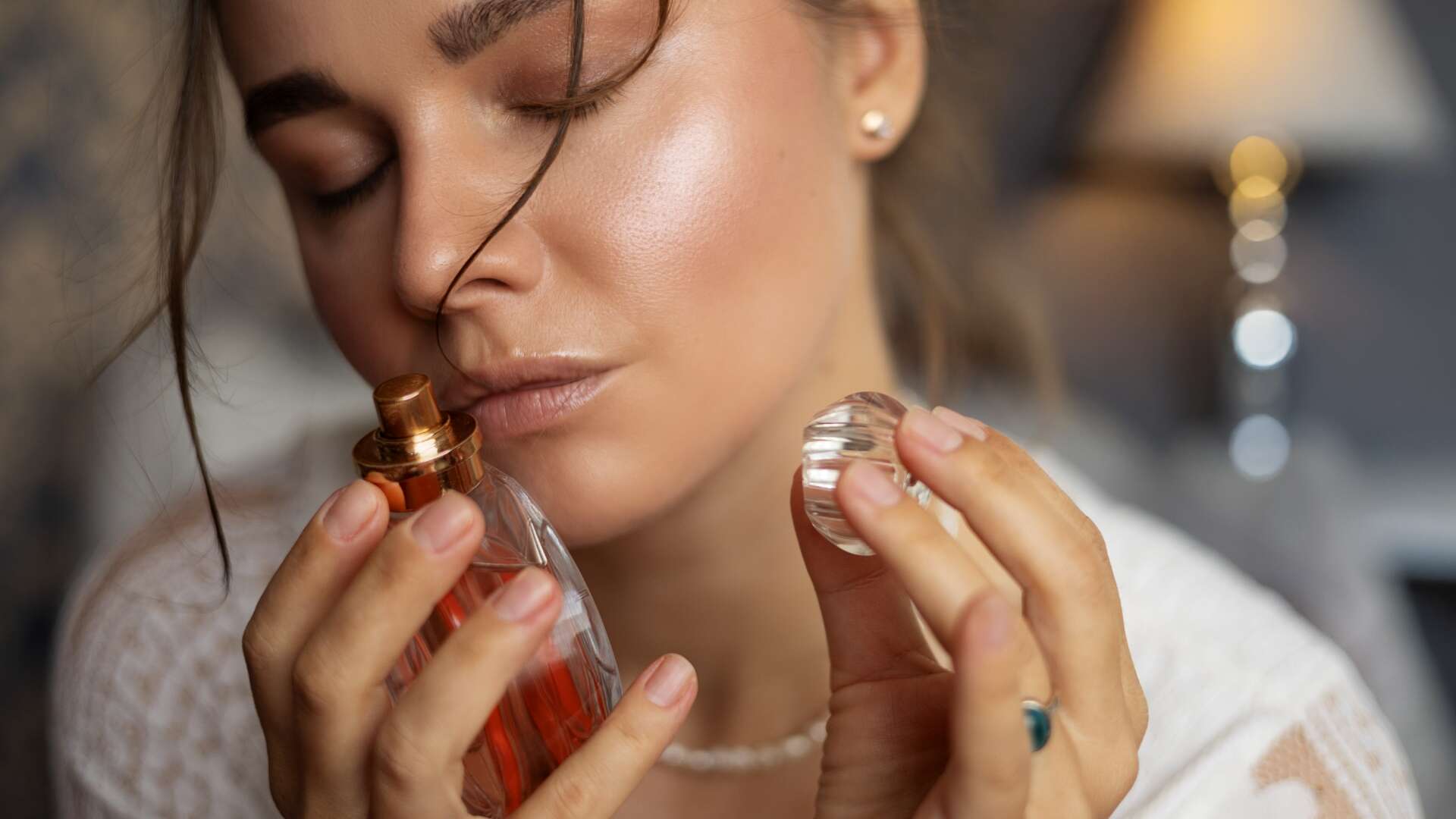
Perfume makers often use unusual ingredients to create unique fragrances. These ingredients can come from animal secretions and tree infections.
High-end perfumes often have distinctive and long-lasting aromas due to these natural elements. For example, musk deer and beavers have secretions that were once highly sought after.
In the past, perfumers would obtain these ingredients through hunting. However, today they mostly use synthetic alternatives. This change has improved ethical sourcing practices and made these fragrances more accessible to people around the world.
The use of synthetic alternatives has also reduced the need for animal products in perfumery. This shift has been driven by consumer demand for more ethical and sustainable products.
Perfumers use a range of ingredients to create different fragrances. These can include essential oils, aroma compounds, and other natural ingredients. The combination and proportion of these ingredients determine the final scent of the perfume.
Some perfumes are designed to evoke a particular mood or atmosphere. For example, a perfume might be designed to be uplifting and energetic, while another might be designed to be calming and relaxing.
The art of perfumery is complex and involves a deep understanding of fragrance chemistry and psychology. Perfumers must balance different ingredients to create a scent that is both pleasing and enduring.
The use of unusual ingredients in perfumery is not new. For centuries, perfumers have experimented with different ingredients to create unique fragrances. Today, the use of synthetic alternatives has opened up new possibilities for perfumers and consumers alike.
In conclusion, the ingredients used in perfumery can be unexpected and unusual. However, they play a crucial role in creating the distinctive and enduring aromas that we associate with high-end fragrances.