Rupee Falls 39 Paise Against US Dollar
Rupee declines, oil prices surge, market sentiment dampened.
'%3E%3Crect%20width%3D'96'%20height%3D'96'%20fill%3D'%230B6E4F'%2F%3E%3Ccircle%20cx%3D'30'%20cy%3D'24'%20r%3D'44'%20fill%3D'%23fff'%20opacity%3D'.12'%2F%3E%3Ccircle%20cx%3D'60'%20cy%3D'74'%20r%3D'40'%20fill%3D'%23000'%20opacity%3D'.10'%2F%3E%3C%2Fg%3E%3Cg%20fill%3D'none'%20stroke%3D'%23fff'%20stroke-width%3D'3.2'%20stroke-linecap%3D'round'%20stroke-linejoin%3D'round'%3E%3Cpolyline%20points%3D'31%2C59%2041%2C49%2049%2C54%2063%2C37'%2F%3E%3Cpolyline%20points%3D'55%2C37%2063%2C37%2063%2C45'%2F%3E%3C%2Fg%3E%3C%2Fsvg%3E)
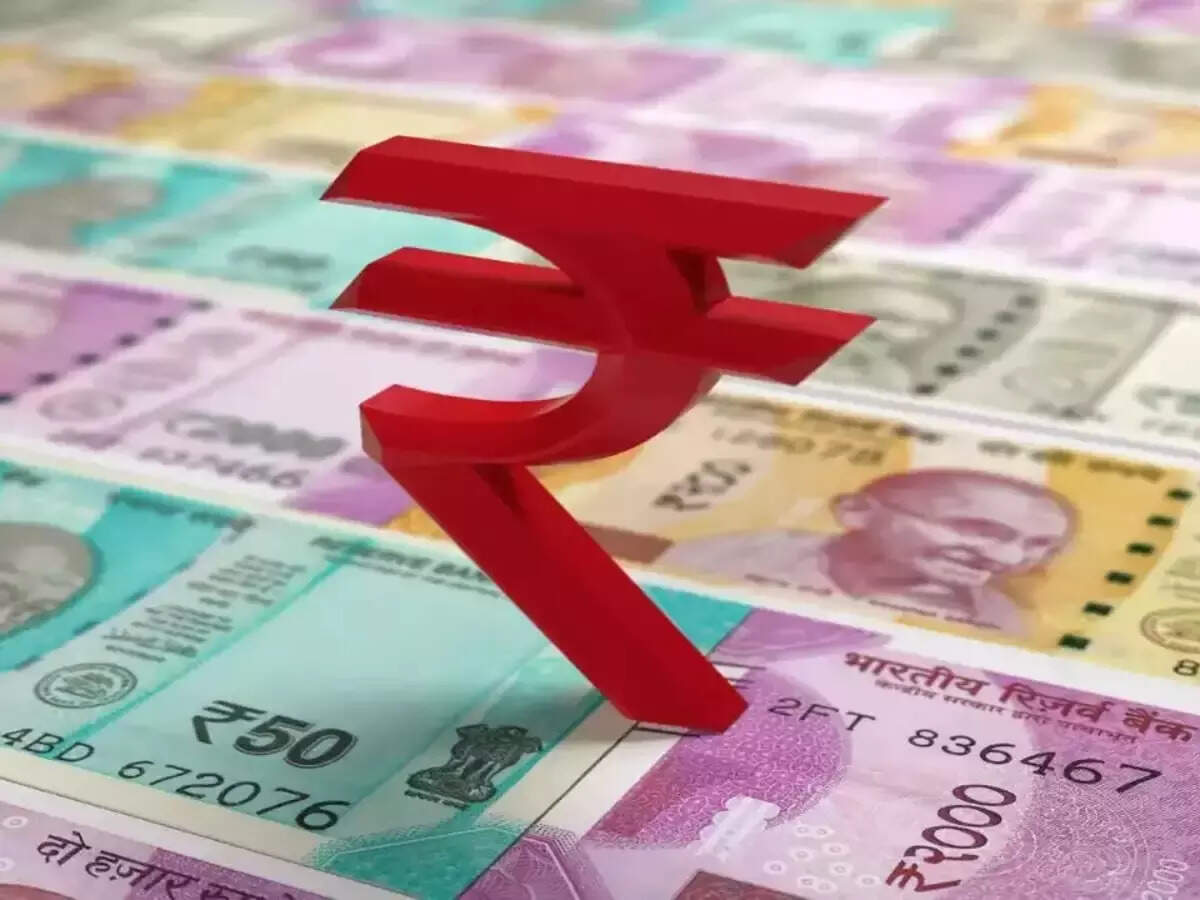
The Indian rupee opened lower against the US dollar on Monday, slipping 39 paise. This decline is attributed to soaring crude oil prices and rising tensions in the Middle East.
The surge in Brent crude prices was triggered by Iran's declaration to close the Strait of Hormuz. As a result, market sentiment was dampened, impacting the rupee's value.
Despite the market volatility, foreign investors continued to show support for Indian equities. Their investments helped stabilize the market to some extent.
India's foreign exchange reserves also saw an increase of over $7 billion. This increase is a positive sign for the Indian economy, indicating a strong reserve position.
The rise in oil prices is a significant concern for India, as it relies heavily on crude oil imports. Any increase in oil prices can have a substantial impact on the country's trade deficit and inflation.
The current geopolitical tensions in the Middle East are being closely watched by investors and economists. The situation has the potential to escalate, further impacting oil prices and the global economy.
The Indian government has been taking steps to reduce the country's dependence on crude oil imports. These efforts include promoting the use of alternative energy sources and increasing domestic oil production.
The impact of the rupee's decline on the Indian economy will be closely monitored in the coming days. The government and the Reserve Bank of India will likely take measures to stabilize the currency and mitigate the effects of the oil price surge.
In conclusion, the decline of the rupee against the US dollar is a significant development, driven by soaring oil prices and Middle East tensions. The Indian economy's resilience will be tested in the face of these challenges, and the government's response will be crucial in determining the outcome.
The situation highlights the importance of diversifying India's energy sources and reducing its dependence on crude oil imports. As the global economy continues to evolve, India must be prepared to adapt to changing circumstances and navigate the complexities of the international market.
The increase in foreign exchange reserves is a positive sign, but the country must remain vigilant and take proactive steps to address the challenges posed by the rising oil prices and geopolitical tensions.
The rupee's decline against the US dollar serves as a reminder of the interconnectedness of the global economy and the need for India to be prepared for any eventuality. The country's economic stability and growth will depend on its ability to navigate these challenges and capitalize on emerging opportunities.
In the context of the current economic scenario, the decline of the rupee is a significant development that warrants close attention. The Indian government and the Reserve Bank of India must work together to stabilize the currency and promote economic growth.
The situation also underscores the importance of foreign investment in India. Despite market volatility, foreign investors continue to support Indian equities, which is a positive sign for the country's economy.
As the situation continues to unfold, it is essential to monitor the developments closely and take proactive steps to address the challenges posed by the rising oil prices and geopolitical tensions. The Indian economy's resilience and ability to adapt to changing circumstances will be crucial in determining the outcome.
In the end, the decline of the rupee against the US dollar is a reminder of the complexities and challenges of the global economy. India must be prepared to navigate these challenges and capitalize on emerging opportunities to promote economic growth and stability.