Iran Bans US, Israeli Media Interviews
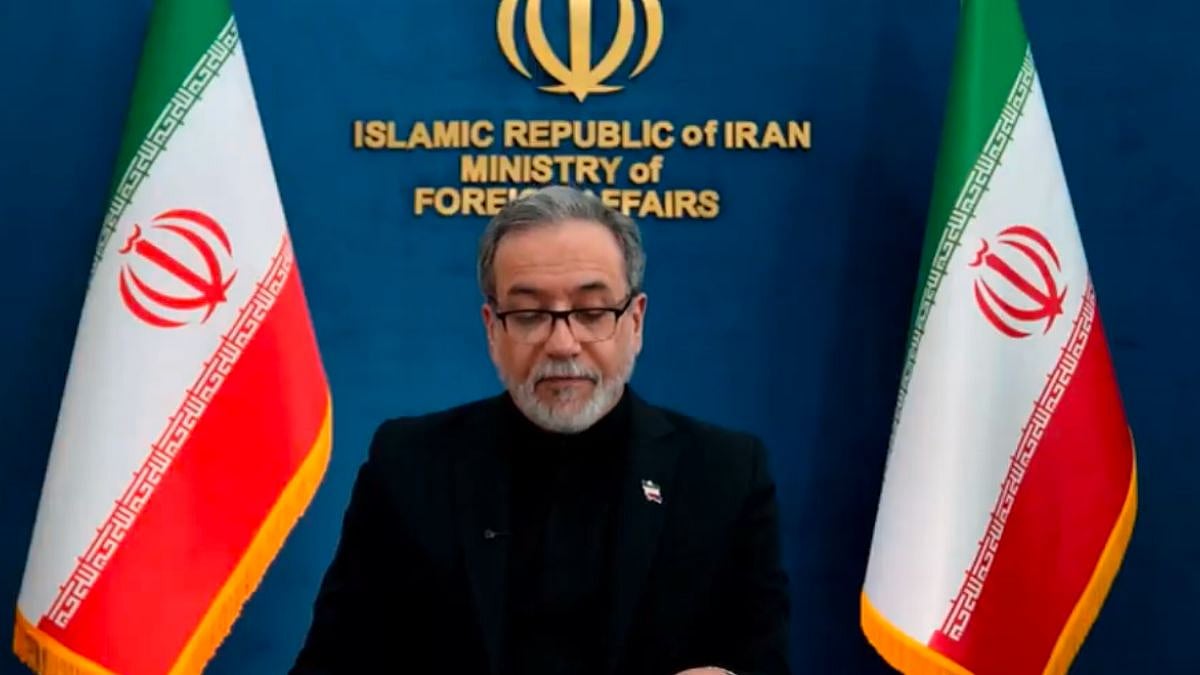
Iran plans to outlaw interviews with US and Israeli media. This move aims to restrict interaction with these countries' media outlets.
'%3E%3Crect%20width%3D'96'%20height%3D'96'%20fill%3D'%234A235A'%2F%3E%3Ccircle%20cx%3D'30'%20cy%3D'24'%20r%3D'44'%20fill%3D'%23fff'%20opacity%3D'.12'%2F%3E%3Ccircle%20cx%3D'60'%20cy%3D'74'%20r%3D'40'%20fill%3D'%23000'%20opacity%3D'.10'%2F%3E%3C%2Fg%3E%3Cg%20fill%3D'none'%20stroke%3D'%23fff'%20stroke-width%3D'3'%3E%3Ccircle%20cx%3D'48'%20cy%3D'48'%20r%3D'16'%2F%3E%3Cellipse%20cx%3D'48'%20cy%3D'48'%20rx%3D'6.5'%20ry%3D'16'%2F%3E%3Cline%20x1%3D'32'%20y1%3D'42'%20x2%3D'64'%20y2%3D'42'%2F%3E%3Cline%20x1%3D'32'%20y1%3D'54'%20x2%3D'64'%20y2%3D'54'%2F%3E%3C%2Fg%3E%3C%2Fsvg%3E)
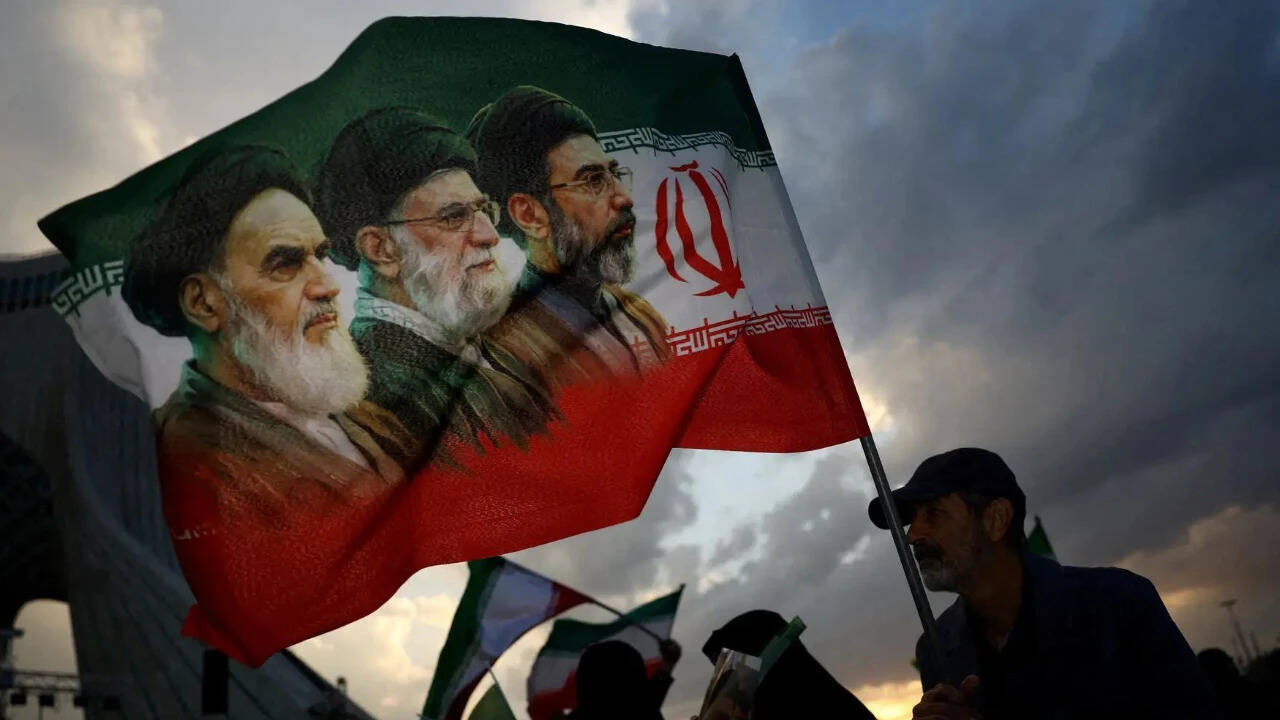
Iran has taken a significant step towards restricting interaction with media outlets from the US and Israel by introducing a plan to criminalise interviews with these countries' media.
This move is part of a broader effort by the Iranian government to control the narrative and limit the influence of foreign media. The plan is expected to have significant implications for journalists, media outlets, and individuals who engage with US and Israeli media.
The Iranian government has been critical of US and Israeli media, accusing them of spreading propaganda and promoting anti-Iranian agendas. By criminalising interviews with these media outlets, the government aims to prevent the dissemination of what it considers to be biased or misleading information.
The plan has raised concerns among journalists and human rights activists, who argue that it will restrict freedom of speech and limit the ability of Iranians to access diverse perspectives and information. The move is also seen as an attempt to further isolate Iran from the international community.
Iran's relations with the US and Israel have been strained for decades, with tensions escalating in recent years over issues such as nuclear proliferation and regional security. The Iranian government has long been suspicious of US and Israeli intentions, and has sought to limit interaction with these countries.
The plan to criminalise interviews with US and Israeli media is the latest in a series of measures aimed at restricting foreign influence and promoting a more isolated and self-sufficient Iran. While the move is likely to have significant implications for Iran's relations with the US and Israel, it is also expected to have a profound impact on the country's media landscape and its ability to engage with the international community.
The international community has been critical of Iran's human rights record, and this move is likely to further strain relations between Iran and Western countries. The plan has also raised concerns among Iranian citizens, who fear that it will limit their access to information and restrict their ability to engage with the outside world.
In conclusion, Iran's plan to criminalise interviews with US and Israeli media is a significant development that is likely to have far-reaching implications for the country's relations with the international community, its media landscape, and its citizens' access to information.
The move is a reflection of the deep-seated tensions between Iran and the US and Israel, and is likely to further isolate the country from the international community. As the situation continues to unfold, it remains to be seen how the international community will respond to this move, and what implications it will have for Iran's future relations with the US and Israel.
The plan has significant implications for Mumbai residents who have business or cultural ties with Iran, as it may limit their ability to engage with Iranian media and access information about the country.
The move is also likely to have implications for India's relations with Iran, as India has traditionally maintained good relations with the country. The Indian government will need to carefully consider its response to this move, and how it will impact India's engagement with Iran in the future.
Frequently asked questions
Why is Iran criminalising interviews with US and Israeli media?
Iran is criminalising interviews with US and Israeli media to restrict interaction with these countries' media outlets and prevent the dissemination of what it considers to be biased or misleading information.
What are the implications of this move for Iran's relations with the US and Israel?
The move is likely to further strain relations between Iran and the US and Israel, and may lead to increased tensions and isolation for Iran.