Monsoon Food Safety Guide Released
Experts warn of health risks, provide tips on what to eat and avoid during rainy season.
'%3E%3Crect%20width%3D'96'%20height%3D'96'%20fill%3D'%23B3261E'%2F%3E%3Ccircle%20cx%3D'30'%20cy%3D'24'%20r%3D'44'%20fill%3D'%23fff'%20opacity%3D'.12'%2F%3E%3Ccircle%20cx%3D'60'%20cy%3D'74'%20r%3D'40'%20fill%3D'%23000'%20opacity%3D'.10'%2F%3E%3C%2Fg%3E%3Cg%20fill%3D'%23fff'%3E%3Crect%20x%3D'29'%20y%3D'49'%20width%3D'8'%20height%3D'19'%20rx%3D'1'%2F%3E%3Crect%20x%3D'39'%20y%3D'40'%20width%3D'9'%20height%3D'28'%20rx%3D'1'%2F%3E%3Crect%20x%3D'50'%20y%3D'45'%20width%3D'8'%20height%3D'23'%20rx%3D'1'%2F%3E%3Crect%20x%3D'60'%20y%3D'53'%20width%3D'7'%20height%3D'15'%20rx%3D'1'%2F%3E%3Crect%20x%3D'41'%20y%3D'34'%20width%3D'5'%20height%3D'6'%2F%3E%3C%2Fg%3E%3C%2Fsvg%3E)
The Indian monsoon season has arrived, bringing much-needed relief from the summer heat. However, it also poses significant health risks due to the increased likelihood of water contamination and poor sanitation.
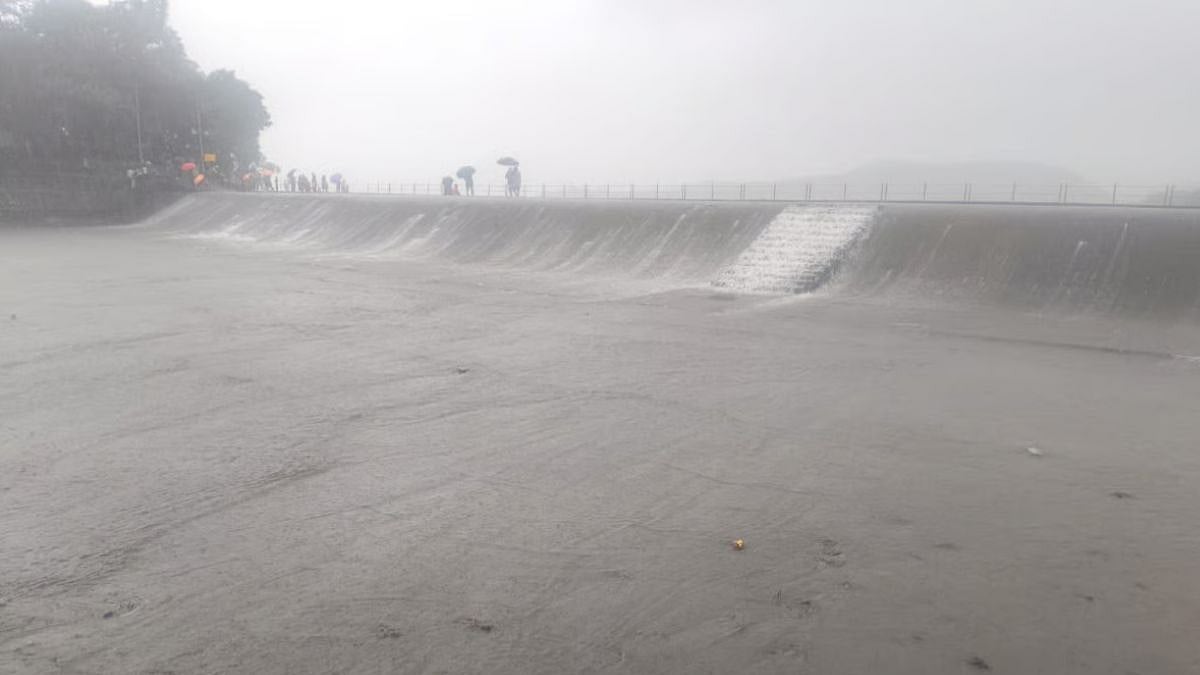
According to local health experts, municipal corporations, and the Food Safety and Standards Authority of India (FSSAI), the monsoon season triggers a surge in gastrointestinal illnesses. The heavy downpours often overwhelm public sanitation systems, leading to severe urban flooding and water contamination.
With humidity levels reaching 90% in cities like Mumbai, Delhi, Kolkata, and Chennai, doctors warn that June to September is the peak season for diarrhoea, typhoid, jaundice, and stomach infections. Experts emphasize the importance of immunity and kitchen hygiene during this period, particularly for children.
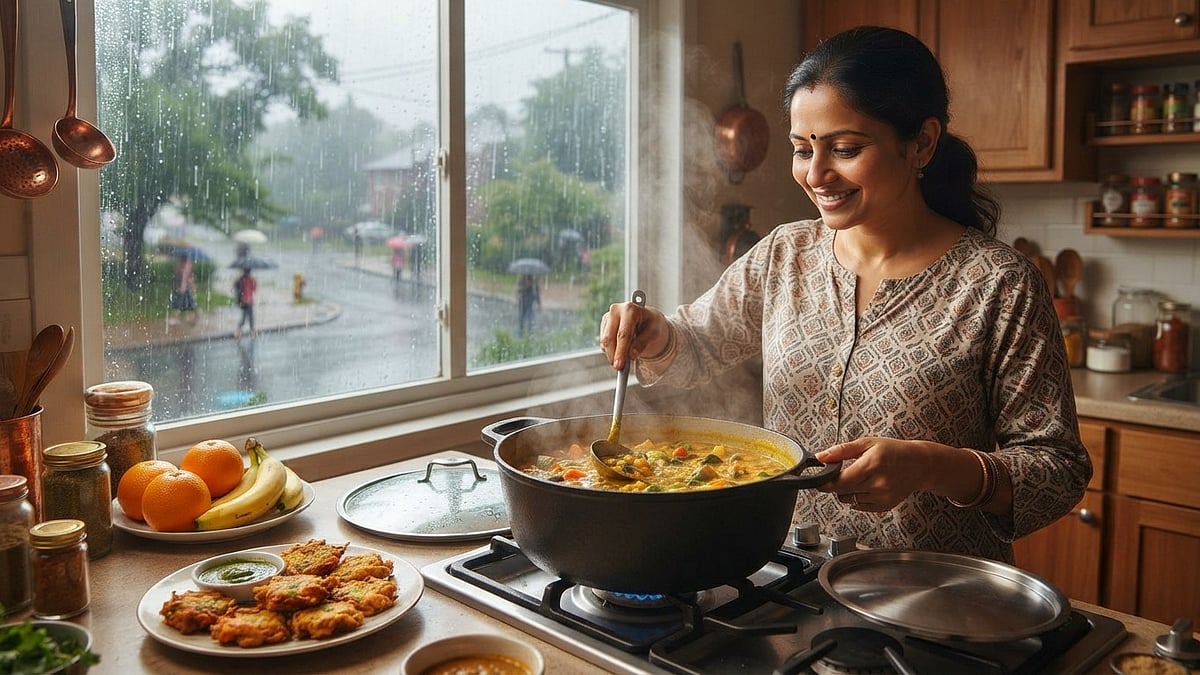
Dr Nupur Krishnan, a Clinical Nutritionist, advises parents to ensure their children consume a balanced and protein-rich diet to combat infections. She recommends eating hot foods like soup and cooked meals instead of cold and raw foods, and avoiding junk food altogether.
The heightened risk of foodborne illnesses during the monsoon season can be attributed to three factors: heat, humidity, and poor drainage. Grains develop fungus, cut fruits attract flies, and street vendors often reuse contaminated water or oil.
Prachi Mandholia, a Clinical Nutritionist, explains that high humidity creates an ideal environment for bacteria like E. coli, Salmonella, and Bacillus cereus to multiply rapidly, making food poisoning more common. She stresses the importance of safe food handling and choosing nutritious foods.
To stay safe during the monsoon season, experts recommend boiling or purifying water before consumption, avoiding roadside drinks, and changing water purifier filters every 3-4 months.
The FSSAI advises against drinking tap water directly, even in metropolitan cities, and recommends boiling water for at least one minute or using an RO + UV purifier.
By following these guidelines and taking necessary precautions, individuals can minimize their risk of contracting waterborne illnesses and enjoy the monsoon season while maintaining good health.
The monsoon season is a critical period for food safety, and being aware of the risks and taking preventive measures can help prevent illnesses and support overall health.
In conclusion, the monsoon food safety guide provides valuable tips and recommendations for individuals to stay safe and healthy during the rainy season. By prioritizing immunity, kitchen hygiene, and safe food handling, individuals can reduce their risk of contracting illnesses and enjoy the monsoon season with confidence.