Fungus Eats Plastic Without Oxygen Found
Scientists discover fungus in Amazon, breaks down plastic
'%3E%3Crect%20width%3D'96'%20height%3D'96'%20fill%3D'%23B3261E'%2F%3E%3Ccircle%20cx%3D'30'%20cy%3D'24'%20r%3D'44'%20fill%3D'%23fff'%20opacity%3D'.12'%2F%3E%3Ccircle%20cx%3D'60'%20cy%3D'74'%20r%3D'40'%20fill%3D'%23000'%20opacity%3D'.10'%2F%3E%3C%2Fg%3E%3Cg%20fill%3D'%23fff'%3E%3Crect%20x%3D'29'%20y%3D'49'%20width%3D'8'%20height%3D'19'%20rx%3D'1'%2F%3E%3Crect%20x%3D'39'%20y%3D'40'%20width%3D'9'%20height%3D'28'%20rx%3D'1'%2F%3E%3Crect%20x%3D'50'%20y%3D'45'%20width%3D'8'%20height%3D'23'%20rx%3D'1'%2F%3E%3Crect%20x%3D'60'%20y%3D'53'%20width%3D'7'%20height%3D'15'%20rx%3D'1'%2F%3E%3Crect%20x%3D'41'%20y%3D'34'%20width%3D'5'%20height%3D'6'%2F%3E%3C%2Fg%3E%3C%2Fsvg%3E)
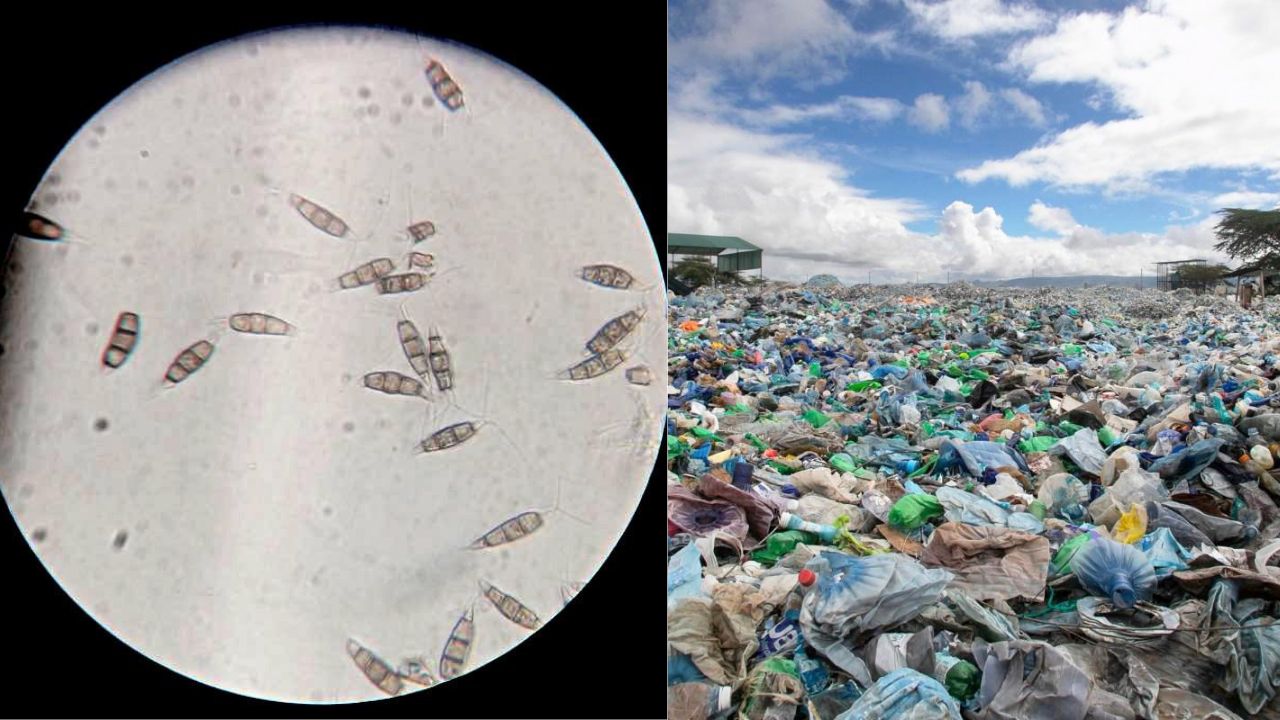
A groundbreaking discovery has been made by scientists in the Amazon, where a unique fungus has been found to have the ability to break down plastic. This fungus is capable of consuming plastic even in the absence of oxygen, making it a potentially game-changing find in the fight against plastic pollution.
The discovery was made in the Amazon rainforest, a region known for its rich biodiversity and unique ecosystem. The fungus, which has not been named, has been found to be able to degrade plastic in a way that is not currently possible with existing technology.
According to the scientists, the fungus is able to break down plastic by using a series of enzymes that attack the polymer chains that make up the plastic. This process is able to occur even in the absence of oxygen, which is a significant advantage over current methods of plastic degradation.
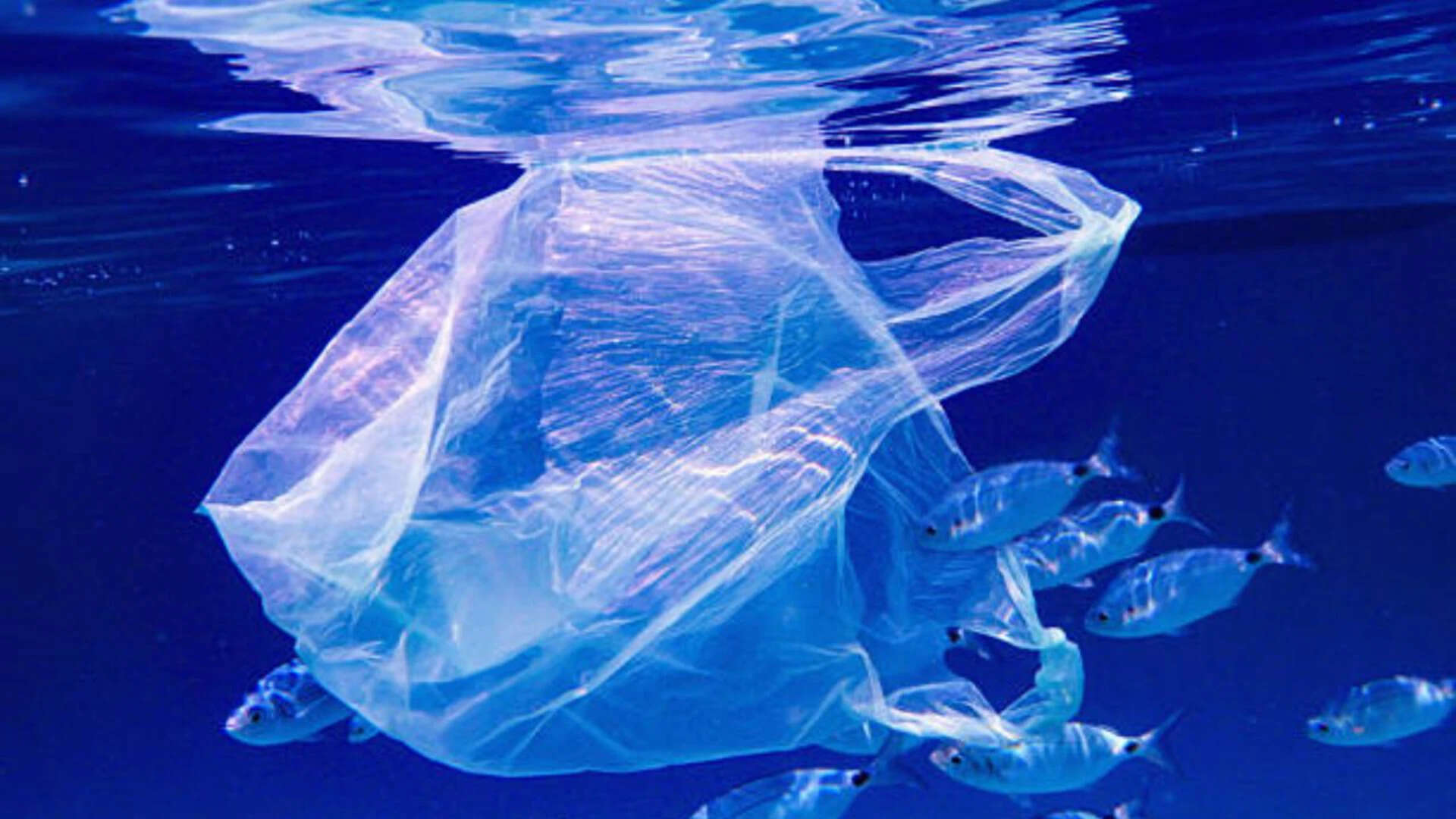
The discovery of this fungus has significant implications for the fight against plastic pollution. Plastic pollution is a major problem worldwide, with millions of tons of plastic waste entering the environment every year. Current methods of plastic degradation are often expensive and inefficient, making the discovery of this fungus a potentially major breakthrough.
The Amazon rainforest is home to a vast array of unique and diverse species, many of which have evolved to thrive in the region's challenging environment. The discovery of this fungus is a testament to the importance of preserving and protecting this ecosystem, as it is likely that many more discoveries like this will be made in the future.
The scientists behind the discovery are now working to further study the fungus and understand how it is able to break down plastic. They hope to be able to use this knowledge to develop new technologies and methods for plastic degradation, which could have a major impact on the environment.
The fight against plastic pollution is an ongoing one, and discoveries like this are a significant step forward. As the world continues to grapple with the problem of plastic waste, the discovery of this fungus provides a glimmer of hope for a solution.
In the context of India, where plastic pollution is a major problem, this discovery could have significant implications. India is one of the world's largest producers of plastic waste, and the country is struggling to find effective ways to manage and dispose of this waste. The discovery of this fungus could provide a new tool in the fight against plastic pollution, and could potentially be used to develop new technologies and methods for plastic degradation.
Overall, the discovery of this fungus is a significant one, and has the potential to make a major impact on the fight against plastic pollution. As scientists continue to study and learn more about this unique organism, it is likely that we will see new and innovative solutions to the problem of plastic waste.
What this means for the environment is a reduction in plastic pollution, which is a major problem worldwide. The discovery of this fungus provides a glimmer of hope for a solution to this problem, and could potentially be used to develop new technologies and methods for plastic degradation.