US-China AI Model Distillation Tensions Rise
AI model distillation sparks security concerns, US-China tensions grow
'%3E%3Crect%20width%3D'96'%20height%3D'96'%20fill%3D'%234A235A'%2F%3E%3Ccircle%20cx%3D'30'%20cy%3D'24'%20r%3D'44'%20fill%3D'%23fff'%20opacity%3D'.12'%2F%3E%3Ccircle%20cx%3D'60'%20cy%3D'74'%20r%3D'40'%20fill%3D'%23000'%20opacity%3D'.10'%2F%3E%3C%2Fg%3E%3Cg%20fill%3D'none'%20stroke%3D'%23fff'%20stroke-width%3D'3'%3E%3Ccircle%20cx%3D'48'%20cy%3D'48'%20r%3D'16'%2F%3E%3Cellipse%20cx%3D'48'%20cy%3D'48'%20rx%3D'6.5'%20ry%3D'16'%2F%3E%3Cline%20x1%3D'32'%20y1%3D'42'%20x2%3D'64'%20y2%3D'42'%2F%3E%3Cline%20x1%3D'32'%20y1%3D'54'%20x2%3D'64'%20y2%3D'54'%2F%3E%3C%2Fg%3E%3C%2Fsvg%3E)

The United States and China are engaged in an escalating competition in the field of artificial intelligence, with a new focus on harnessing the capabilities of existing models rather than just creating new ones.
At the center of this competition is a technique known as AI model distillation, which enables smaller AI systems to mimic the behavior of larger, more complex models. This technique has significant implications for the development of AI, as it allows for the creation of more efficient and effective AI systems.
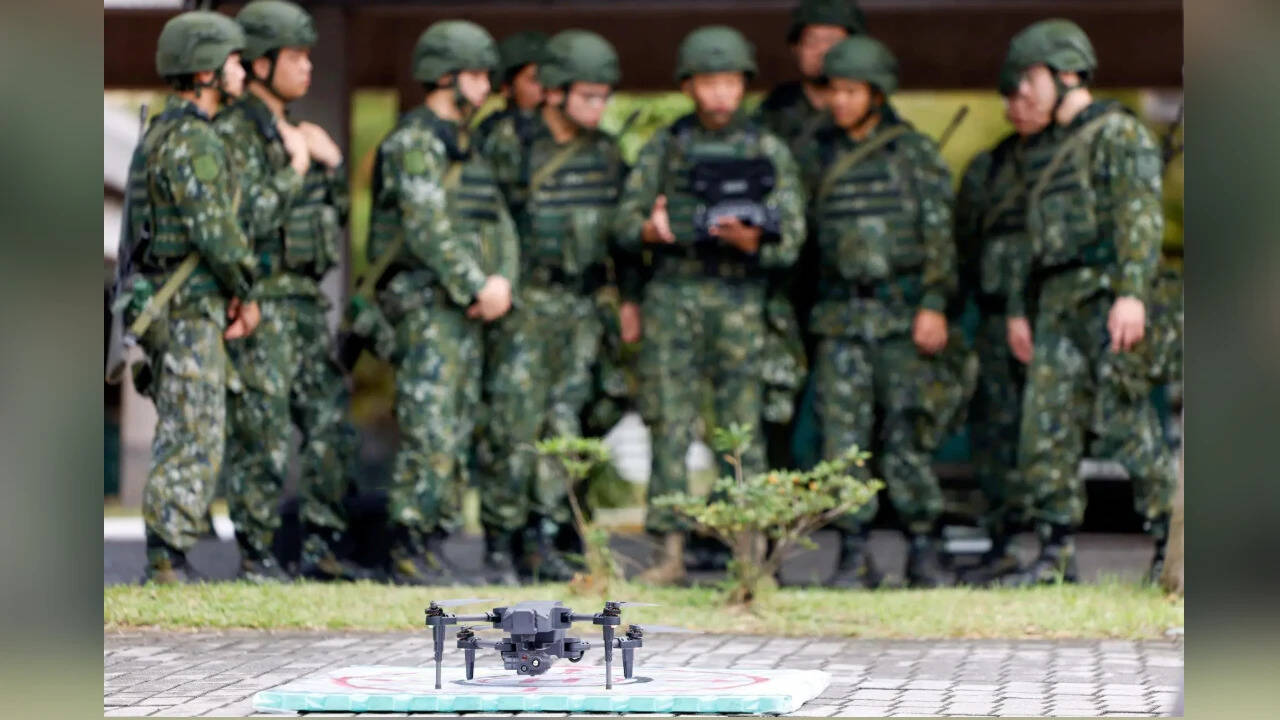
However, AI model distillation has also sparked concerns over security, as it potentially allows smaller systems to access and utilize the capabilities of larger models without necessarily understanding their underlying architecture. This has raised alarms in the US, where there are reports that Chinese military researchers are using outputs from US AI models for defense purposes.
The use of US AI models by Chinese military researchers has significant implications for national security, as it potentially allows China to access sensitive information and capabilities that could be used for military purposes. This has led to calls for greater regulation and control over the development and use of AI models, particularly in the area of model distillation.
The competition between the US and China in the field of AI is not new, but the focus on model distillation represents a significant shift in the landscape of this competition. As AI continues to play an increasingly important role in national security and defense, the ability to harness and control the capabilities of AI models will become increasingly critical.
The US and China are both investing heavily in AI research and development, with a focus on creating more advanced and capable AI systems. However, the use of model distillation to access and utilize the capabilities of existing models raises significant concerns over security and intellectual property.
In recent years, there have been numerous reports of Chinese companies and researchers accessing and utilizing sensitive information and technology from the US, often through unauthorized means. The use of model distillation to access US AI models represents a new and potentially significant threat to national security, and highlights the need for greater regulation and control over the development and use of AI.
As the competition between the US and China in the field of AI continues to escalate, the focus on model distillation is likely to remain a key area of concern. The ability to harness and control the capabilities of AI models will be critical to national security and defense, and the use of model distillation to access and utilize existing models will require careful regulation and oversight.
The implications of AI model distillation are far-reaching, and highlight the need for a comprehensive approach to regulating and controlling the development and use of AI. As AI continues to play an increasingly important role in national security and defense, the ability to harness and control its capabilities will be critical to maintaining a competitive edge.
In conclusion, the rising tensions between the US and China over AI model distillation represent a significant shift in the landscape of the competition between these two nations. The ability to harness and control the capabilities of AI models will be critical to national security and defense, and the use of model distillation to access and utilize existing models will require careful regulation and oversight.
Frequently asked questions
What is AI model distillation?
AI model distillation is a technique that enables smaller AI systems to mimic the behavior of larger, more complex models.
Why is AI model distillation a concern for the US?
AI model distillation is a concern for the US because it potentially allows China to access and utilize sensitive information and capabilities from US AI models for military purposes.