New MP Medical Colleges Face Faculty Crisis
Many colleges function with 20-25% staff, leaving students without adequate teachers.
'%3E%3Crect%20width%3D'96'%20height%3D'96'%20fill%3D'%23B3261E'%2F%3E%3Ccircle%20cx%3D'30'%20cy%3D'24'%20r%3D'44'%20fill%3D'%23fff'%20opacity%3D'.12'%2F%3E%3Ccircle%20cx%3D'60'%20cy%3D'74'%20r%3D'40'%20fill%3D'%23000'%20opacity%3D'.10'%2F%3E%3C%2Fg%3E%3Cg%20fill%3D'%23fff'%3E%3Crect%20x%3D'29'%20y%3D'49'%20width%3D'8'%20height%3D'19'%20rx%3D'1'%2F%3E%3Crect%20x%3D'39'%20y%3D'40'%20width%3D'9'%20height%3D'28'%20rx%3D'1'%2F%3E%3Crect%20x%3D'50'%20y%3D'45'%20width%3D'8'%20height%3D'23'%20rx%3D'1'%2F%3E%3Crect%20x%3D'60'%20y%3D'53'%20width%3D'7'%20height%3D'15'%20rx%3D'1'%2F%3E%3Crect%20x%3D'41'%20y%3D'34'%20width%3D'5'%20height%3D'6'%2F%3E%3C%2Fg%3E%3C%2Fsvg%3E)
A severe shortage of teaching staff has crippled academics at several newly established government medical colleges in Madhya Pradesh. Many institutions are functioning with barely 20-25% of their sanctioned faculty strength, leaving students without adequate teachers and basic academic facilities.
The government medical colleges in Sheopur, Vidisha, Satna, Neemuch, Mandsaur, and Seoni, established over the past two to three years, continue to face an acute shortage of faculty and infrastructure. This has prompted concern among medical experts, who fear that the lack of qualified teachers will negatively impact the quality of education.
The Directorate of Medical Education (DME) had proposed incentives to attract more faculty members, including Rs 50,000 for assistant professors, Rs 75,000 for associate professors, and Rs 1 lakh for professors. However, according to the deans of these medical colleges, no order has been issued to implement the proposal.
At Sheopur Medical College, for example, 118 posts are sanctioned, but only 22 appointments have been made so far. Departments such as ENT, Paediatrics, Dermatology, and Surgery have no faculty members. Senior residents have been appointed in Ophthalmology and Dermatology, but the Anatomy and Biochemistry departments do not have assistant professors, and there are no tutors to conduct practical classes.
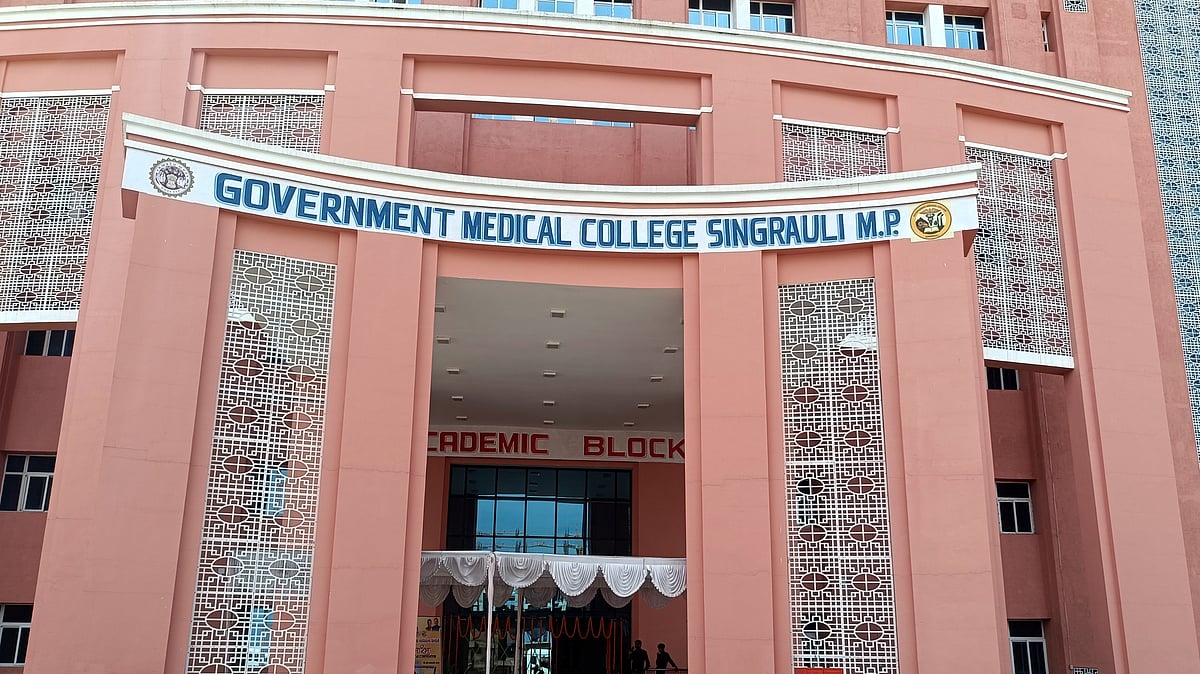
Similar shortages exist at other colleges, including Singrauli Medical College, where the Anatomy, Physiology, and Biochemistry departments do not have assistant professors or associate professors. Against 140 sanctioned posts, only 30 have been filled, and classes are not being conducted as per the protocols and parameters of the National Medical Commission (NMC).
The Medical Teachers Association (MTA) has expressed concern over the situation, with president Dr Rakesh Malviya stating that the condition of faculty in new government medical colleges in MP is pathetic. He emphasized that the DME announced incentives but has not issued any order to implement them.
The faculty crisis in these medical colleges has significant implications for the quality of education and the future of medical students in Madhya Pradesh. It is essential that the government takes immediate action to address the shortage of teaching staff and provide adequate infrastructure to ensure that students receive the best possible education.
The situation highlights the need for urgent attention to the issue of faculty shortage in medical colleges. The government must take concrete steps to attract and retain qualified teachers, including implementing the proposed incentives and providing adequate infrastructure.
In conclusion, the faculty crisis in new MP medical colleges is a pressing concern that requires immediate attention. The government must take steps to address the shortage of teaching staff and provide adequate infrastructure to ensure that students receive quality education.
The crisis has far-reaching implications for the healthcare system in Madhya Pradesh, as it can affect the quality of medical care provided by graduates of these colleges. It is essential that the government prioritizes the issue and takes concrete steps to address it.
The Medical Teachers Association and other stakeholders must continue to press for action to address the faculty crisis. The government must be held accountable for providing adequate resources and infrastructure to ensure that medical colleges in Madhya Pradesh can provide quality education to their students.
Ultimately, the faculty crisis in new MP medical colleges is a reminder of the need for sustained investment in healthcare education and infrastructure. The government must prioritize the issue and take concrete steps to address it, to ensure that medical students in Madhya Pradesh receive the best possible education and that the state's healthcare system is equipped to provide quality care to its citizens.
The situation is a wake-up call for the government to take immediate action to address the shortage of teaching staff and provide adequate infrastructure to medical colleges. It is essential that the government takes a proactive approach to address the issue and ensure that medical students in Madhya Pradesh receive quality education.
In the long run, addressing the faculty crisis in new MP medical colleges will have a positive impact on the healthcare system in the state. It will ensure that medical students receive quality education and that the state's healthcare system is equipped to provide quality care to its citizens.
The government must take a comprehensive approach to address the issue, including implementing the proposed incentives, providing adequate infrastructure, and taking steps to attract and retain qualified teachers. By doing so, the government can ensure that medical colleges in Madhya Pradesh provide quality education to their students and that the state's healthcare system is equipped to provide quality care to its citizens.
The faculty crisis in new MP medical colleges is a complex issue that requires a multifaceted approach. The government must work with stakeholders, including the Medical Teachers Association, to address the issue and ensure that medical students in Madhya Pradesh receive quality education.
In conclusion, the faculty crisis in new MP medical colleges is a pressing concern that requires immediate attention. The government must take concrete steps to address the shortage of teaching staff and provide adequate infrastructure to ensure that students receive quality education. By doing so, the government can ensure that medical colleges in Madhya Pradesh provide quality education to their students and that the state's healthcare system is equipped to provide quality care to its citizens.