Massachusetts Dairy Saves $155,000 Annually
A dairy farm in Massachusetts uses anaerobic digestion to reduce waste and costs. The technology turns manure and food scraps into energy and fertilizer.
'%3E%3Crect%20width%3D'96'%20height%3D'96'%20fill%3D'%23B3261E'%2F%3E%3Ccircle%20cx%3D'30'%20cy%3D'24'%20r%3D'44'%20fill%3D'%23fff'%20opacity%3D'.12'%2F%3E%3Ccircle%20cx%3D'60'%20cy%3D'74'%20r%3D'40'%20fill%3D'%23000'%20opacity%3D'.10'%2F%3E%3C%2Fg%3E%3Cg%20fill%3D'%23fff'%3E%3Crect%20x%3D'29'%20y%3D'49'%20width%3D'8'%20height%3D'19'%20rx%3D'1'%2F%3E%3Crect%20x%3D'39'%20y%3D'40'%20width%3D'9'%20height%3D'28'%20rx%3D'1'%2F%3E%3Crect%20x%3D'50'%20y%3D'45'%20width%3D'8'%20height%3D'23'%20rx%3D'1'%2F%3E%3Crect%20x%3D'60'%20y%3D'53'%20width%3D'7'%20height%3D'15'%20rx%3D'1'%2F%3E%3Crect%20x%3D'41'%20y%3D'34'%20width%3D'5'%20height%3D'6'%2F%3E%3C%2Fg%3E%3C%2Fsvg%3E)
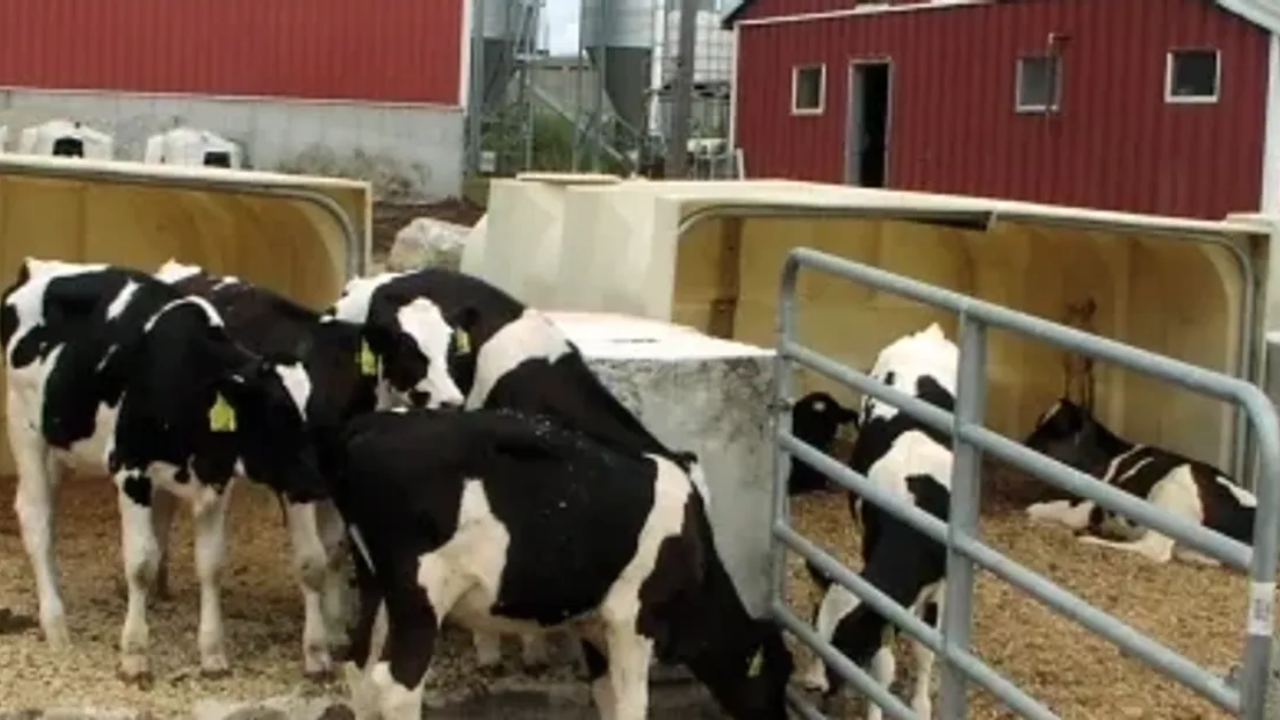
Jordan Dairy Farms in Rutland, Massachusetts, has implemented a cutting-edge anaerobic digestion system to manage waste. The system transforms cow manure and food scraps into energy and fertilizer, resulting in significant cost savings and reduced environmental impact.
The farm's decision to adopt this innovative approach has led to an annual savings of $155,000. This is achieved by reducing the need for external energy sources and minimizing waste disposal costs. The anaerobic digestion system also produces a nutrient-rich fertilizer that can be used on the farm, further reducing operational expenses.
The use of anaerobic digestion technology is a key component of the farm's sustainability strategy. By harnessing the energy potential of organic waste, Jordan Dairy Farms is able to reduce its reliance on non-renewable energy sources and lower its greenhouse gas emissions. This approach not only supports the farm's productivity but also contributes to a more environmentally friendly agriculture sector.
The implementation of anaerobic digestion technology is a significant step towards reducing waste and promoting sustainability in agriculture. The system's ability to convert organic waste into valuable resources makes it an attractive solution for farms looking to minimize their environmental footprint. As the agriculture sector continues to evolve, the adoption of innovative technologies like anaerobic digestion will play a crucial role in shaping a more sustainable future.
The success of Jordan Dairy Farms' anaerobic digestion system serves as a model for responsible agriculture. By embracing cutting-edge technology and prioritizing sustainability, the farm is able to reduce its operational costs while also contributing to a more environmentally friendly agriculture sector. This approach has the potential to be replicated by other farms, promoting a more sustainable and productive agriculture industry.
In addition to the economic and environmental benefits, the anaerobic digestion system also provides a unique opportunity for farms to reduce their waste management costs. By converting organic waste into energy and fertilizer, farms can minimize their waste disposal expenses and create a new revenue stream.
The adoption of anaerobic digestion technology is a significant development in the agriculture sector. As farms continue to seek innovative solutions to reduce their environmental impact, the use of anaerobic digestion systems is likely to become more widespread. This technology has the potential to play a key role in promoting sustainability and reducing waste in agriculture, and its success at Jordan Dairy Farms serves as a compelling example of its benefits.
In conclusion, the implementation of anaerobic digestion technology at Jordan Dairy Farms has resulted in significant cost savings and reduced environmental impact. The farm's commitment to sustainability and innovation serves as a model for responsible agriculture, and its success has the potential to be replicated by other farms. As the agriculture sector continues to evolve, the adoption of cutting-edge technologies like anaerobic digestion will be crucial in promoting a more sustainable and productive future.
The success of Jordan Dairy Farms' anaerobic digestion system has important implications for the agriculture sector as a whole. By demonstrating the economic and environmental benefits of this technology, the farm is helping to promote a more sustainable and responsible approach to agriculture. As other farms and agriculture businesses look to reduce their environmental impact and improve their sustainability, the use of anaerobic digestion systems is likely to become increasingly important.
Overall, the use of anaerobic digestion technology at Jordan Dairy Farms is a significant step towards a more sustainable and productive agriculture sector. The farm's commitment to innovation and sustainability serves as a model for responsible agriculture, and its success has the potential to be replicated by other farms. By embracing cutting-edge technology and prioritizing sustainability, Jordan Dairy Farms is helping to shape a more environmentally friendly future for agriculture.
The farm's innovative approach to waste management has the potential to make a significant impact on the environment. By reducing its reliance on non-renewable energy sources and minimizing waste disposal costs, Jordan Dairy Farms is able to lower its greenhouse gas emissions and contribute to a more sustainable agriculture sector. This approach has important implications for the environment, and its success serves as a compelling example of the benefits of anaerobic digestion technology.
In the context of the agriculture sector, the use of anaerobic digestion technology is a significant development. As farms continue to seek innovative solutions to reduce their environmental impact, the adoption of anaerobic digestion systems is likely to become more widespread. This technology has the potential to play a key role in promoting sustainability and reducing waste in agriculture, and its success at Jordan Dairy Farms serves as a compelling example of its benefits.
The significance of Jordan Dairy Farms' anaerobic digestion system extends beyond the farm itself. The technology has the potential to be replicated by other farms, promoting a more sustainable and productive agriculture industry. As the agriculture sector continues to evolve, the adoption of innovative technologies like anaerobic digestion will be crucial in shaping a more environmentally friendly future.
In terms of its impact on the environment, the anaerobic digestion system at Jordan Dairy Farms is a significant step towards reducing waste and promoting sustainability. The system's ability to convert organic waste into valuable resources makes it an attractive solution for farms looking to minimize their environmental footprint. By reducing its reliance on non-renewable energy sources and minimizing waste disposal costs, the farm is able to lower its greenhouse gas emissions and contribute to a more sustainable agriculture sector.
The use of anaerobic digestion technology at Jordan Dairy Farms has important implications for the future of agriculture. As the sector continues to evolve, the adoption of innovative technologies like anaerobic digestion will be crucial in promoting sustainability and reducing waste. The success of the farm's anaerobic digestion system serves as a compelling example of the benefits of this technology, and its potential to be replicated by other farms.
In conclusion, the implementation of anaerobic digestion technology at Jordan Dairy Farms has resulted in significant cost savings and reduced environmental impact. The farm's commitment to sustainability and innovation serves as a model for responsible agriculture, and its success has the potential to be replicated by other farms. As the agriculture sector continues to evolve, the adoption of cutting-edge technologies like anaerobic digestion will be crucial in promoting a more sustainable and productive future.
What it means for Mumbai or India is that this technology can be adopted in the agricultural sector to reduce waste and promote sustainability. The use of anaerobic digestion systems can help farms in India reduce their environmental footprint and improve their productivity. This technology has the potential to play a key role in shaping a more sustainable future for agriculture in India.
Frequently asked questions
What is anaerobic digestion technology?
Anaerobic digestion technology is a process that converts organic waste into energy and fertilizer.
How much does the dairy farm save annually?
The dairy farm saves $155,000 annually by using anaerobic digestion technology.