India Plans LNG Buffer Mandate
India to create strategic gas reserves, LNG terminal operators to expand storage capacity

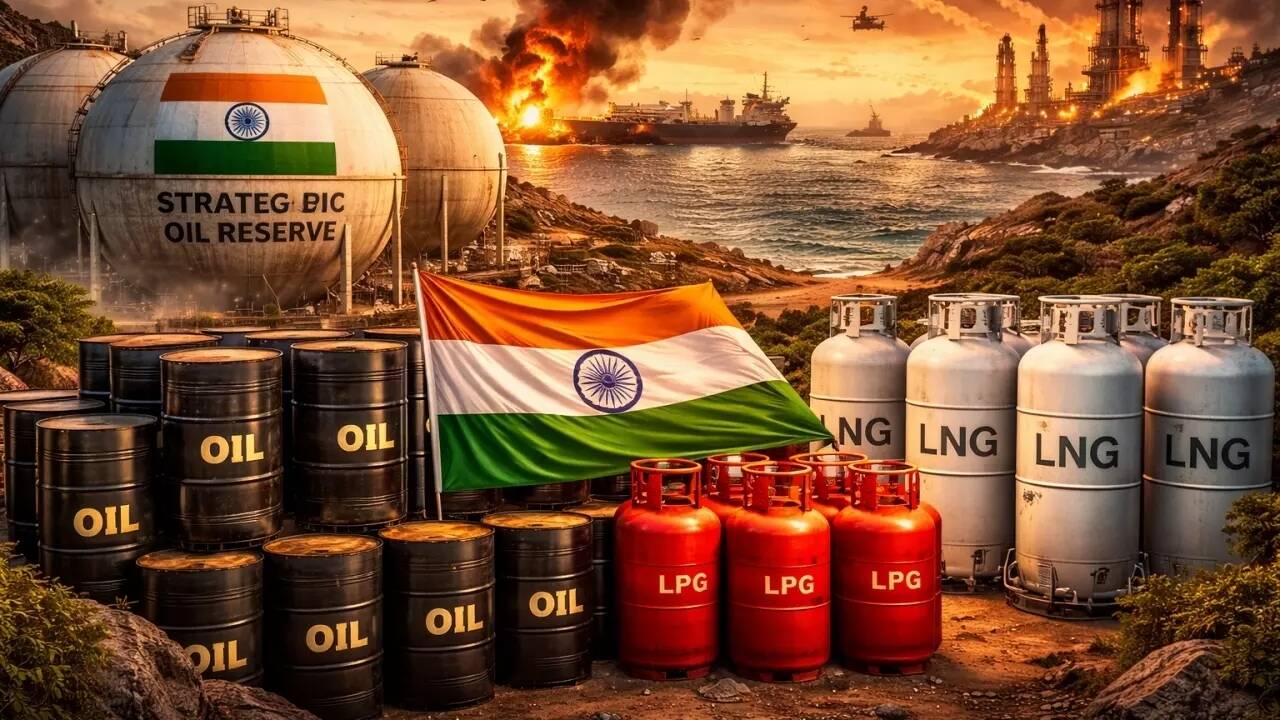
India is planning to introduce a mandate for LNG terminal operators to expand their storage capacity, in a bid to create strategic gas reserves. This move comes after the disruption to LNG shipments through the Strait of Hormuz during the Iran conflict, which highlighted India's exposure to supply disruptions.
The government is evaluating a plan that would require LNG terminal operators to increase their storage capacity at existing import facilities. This would help to buffer the country against potential supply disruptions and ensure a stable supply of gas.
According to policymakers, the plan is still in the works and would involve requiring LNG terminal operators to expand their storage capacity. This would provide a strategic reserve of gas, which could be used in the event of a supply disruption.
The move to create strategic gas reserves is seen as a crucial step in ensuring the country's energy security. India is heavily reliant on imports to meet its gas needs, and any disruption to supplies can have a significant impact on the economy.
The plan to expand storage capacity at LNG terminals is expected to have a positive impact on India's energy security. It would provide a buffer against potential supply disruptions and ensure that the country has a stable supply of gas. This, in turn, would help to support economic growth and development.
The government is expected to announce the details of the plan in the coming months. The move is seen as a significant step towards ensuring the country's energy security and reducing its reliance on imports.
The expansion of storage capacity at LNG terminals would also provide a boost to the country's gas infrastructure. It would help to support the growth of the gas sector and provide a stable supply of gas to industries and households.
In the long term, the creation of strategic gas reserves is expected to have a positive impact on India's economy. It would help to reduce the country's reliance on imports and provide a stable supply of gas, which would support economic growth and development.