Guatemala's Logging System Saves Rainforests
Guatemala's Maya Biosphere Reserve protects forests, supports local livelihoods, and creates jobs.
'%3E%3Crect%20width%3D'96'%20height%3D'96'%20fill%3D'%23B3261E'%2F%3E%3Ccircle%20cx%3D'30'%20cy%3D'24'%20r%3D'44'%20fill%3D'%23fff'%20opacity%3D'.12'%2F%3E%3Ccircle%20cx%3D'60'%20cy%3D'74'%20r%3D'40'%20fill%3D'%23000'%20opacity%3D'.10'%2F%3E%3C%2Fg%3E%3Cg%20fill%3D'%23fff'%3E%3Crect%20x%3D'29'%20y%3D'49'%20width%3D'8'%20height%3D'19'%20rx%3D'1'%2F%3E%3Crect%20x%3D'39'%20y%3D'40'%20width%3D'9'%20height%3D'28'%20rx%3D'1'%2F%3E%3Crect%20x%3D'50'%20y%3D'45'%20width%3D'8'%20height%3D'23'%20rx%3D'1'%2F%3E%3Crect%20x%3D'60'%20y%3D'53'%20width%3D'7'%20height%3D'15'%20rx%3D'1'%2F%3E%3Crect%20x%3D'41'%20y%3D'34'%20width%3D'5'%20height%3D'6'%2F%3E%3C%2Fg%3E%3C%2Fsvg%3E)
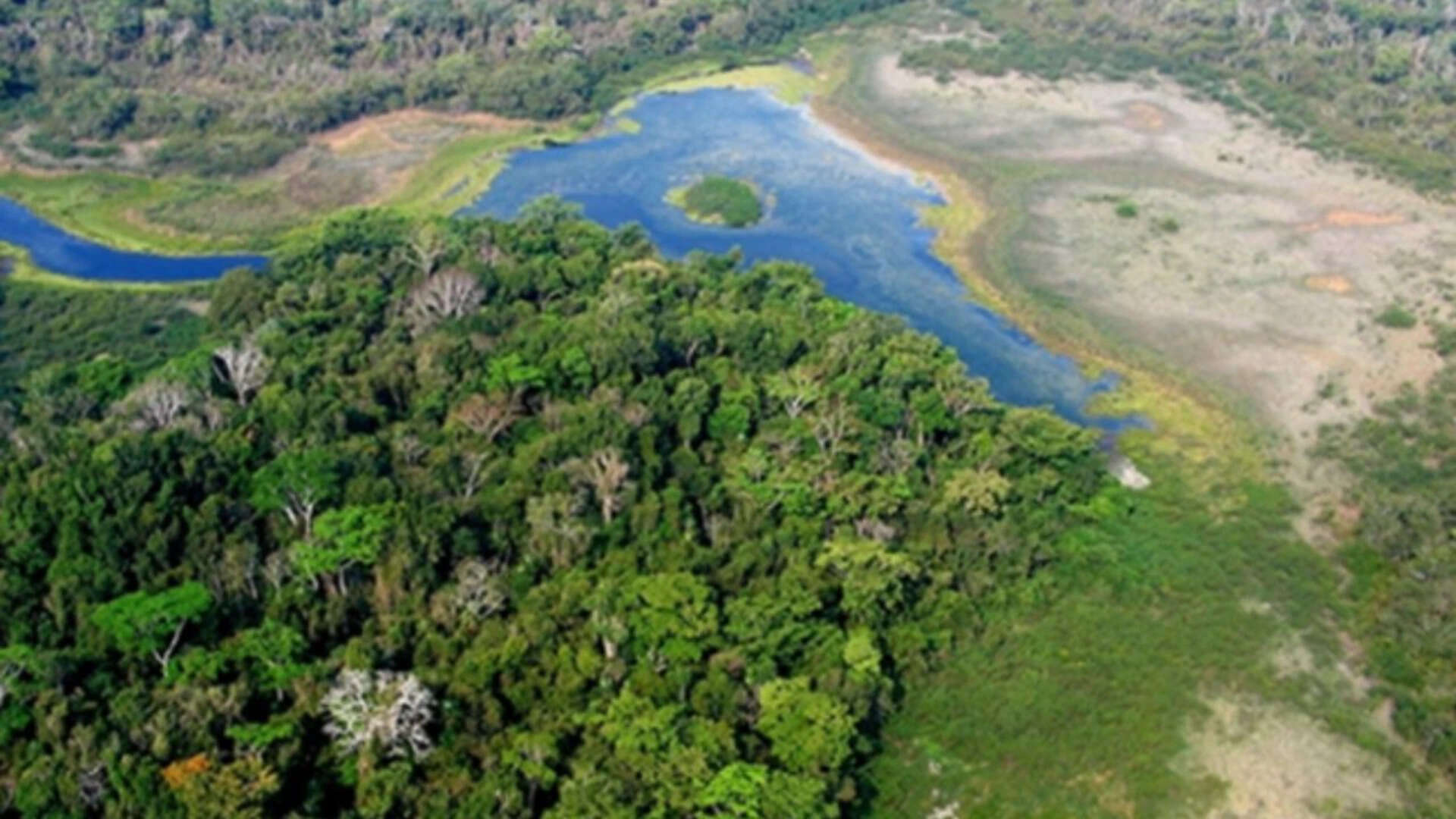
Guatemala's Maya Biosphere Reserve has implemented a unique logging system that is helping to save the country's rainforests. The reserve, which is home to a diverse array of flora and fauna, has introduced a community-managed concession system. Under this system, local communities are allowed to legally harvest a limited number of trees, but they must do so under strict rules.
The communities are also required to restore degraded land and grow new forests. This approach has been highly successful, with officials reporting near-zero deforestation in the areas where the community-managed concessions are in place. Not only has the system helped to protect the environment, but it has also created jobs and boosted incomes for local people.
The Maya Biosphere Reserve is a significant area of protected land in Guatemala, covering over 2 million hectares. The reserve is home to a wide range of wildlife, including jaguars, pumas, and quetzals. The community-managed concession system has been in place for several years and has been shown to be an effective way of balancing the needs of local communities with the need to protect the environment.
One of the key benefits of the system is that it allows local communities to take ownership of the forest and its management. This has helped to create a sense of responsibility and stewardship among community members, who are invested in protecting the forest for future generations.
The success of the community-managed concession system in Guatemala's Maya Biosphere Reserve has important implications for other countries and regions. It shows that it is possible to protect forests and support local livelihoods at the same time, and that community-led approaches can be highly effective.
The Guatemalan government has reported that the system has not only helped to protect the environment, but has also contributed to the local economy. The creation of jobs and the boost to incomes have helped to improve living standards for local people, and have contributed to a reduction in poverty.
Overall, the community-managed concession system in Guatemala's Maya Biosphere Reserve is a positive example of how forests can be protected while supporting local livelihoods. The system has been shown to be effective in maintaining near-zero deforestation, creating jobs, and boosting incomes, and it has important implications for other countries and regions.
The approach taken in Guatemala could be replicated in other parts of the world, particularly in areas where deforestation is a significant problem. By giving local communities a stake in the management of the forest, and providing them with the support and resources they need, it is possible to create a sustainable and equitable system that benefits both people and the environment.
In conclusion, Guatemala's logging system is a success story that highlights the potential for community-led approaches to forest management. The system has been shown to be effective in protecting the environment, creating jobs, and boosting incomes, and it has important implications for other countries and regions. As the world looks for ways to protect its remaining forests, the example of Guatemala's Maya Biosphere Reserve is an important one to consider.
Frequently asked questions
What is the Maya Biosphere Reserve?
The Maya Biosphere Reserve is a protected area in Guatemala that covers over 2 million hectares and is home to a diverse array of flora and fauna.
How does the community-managed concession system work?
The system allows local communities to legally harvest a limited number of trees under strict rules, and requires them to restore degraded land and grow new forests.