Nepal PM Balen Faces Street Anger
Nepal PM faces protests, party unease after 150 days in office.
'%3E%3Crect%20width%3D'96'%20height%3D'96'%20fill%3D'%234A235A'%2F%3E%3Ccircle%20cx%3D'30'%20cy%3D'24'%20r%3D'44'%20fill%3D'%23fff'%20opacity%3D'.12'%2F%3E%3Ccircle%20cx%3D'60'%20cy%3D'74'%20r%3D'40'%20fill%3D'%23000'%20opacity%3D'.10'%2F%3E%3C%2Fg%3E%3Cg%20fill%3D'none'%20stroke%3D'%23fff'%20stroke-width%3D'3'%3E%3Ccircle%20cx%3D'48'%20cy%3D'48'%20r%3D'16'%2F%3E%3Cellipse%20cx%3D'48'%20cy%3D'48'%20rx%3D'6.5'%20ry%3D'16'%2F%3E%3Cline%20x1%3D'32'%20y1%3D'42'%20x2%3D'64'%20y2%3D'42'%2F%3E%3Cline%20x1%3D'32'%20y1%3D'54'%20x2%3D'64'%20y2%3D'54'%2F%3E%3C%2Fg%3E%3C%2Fsvg%3E)
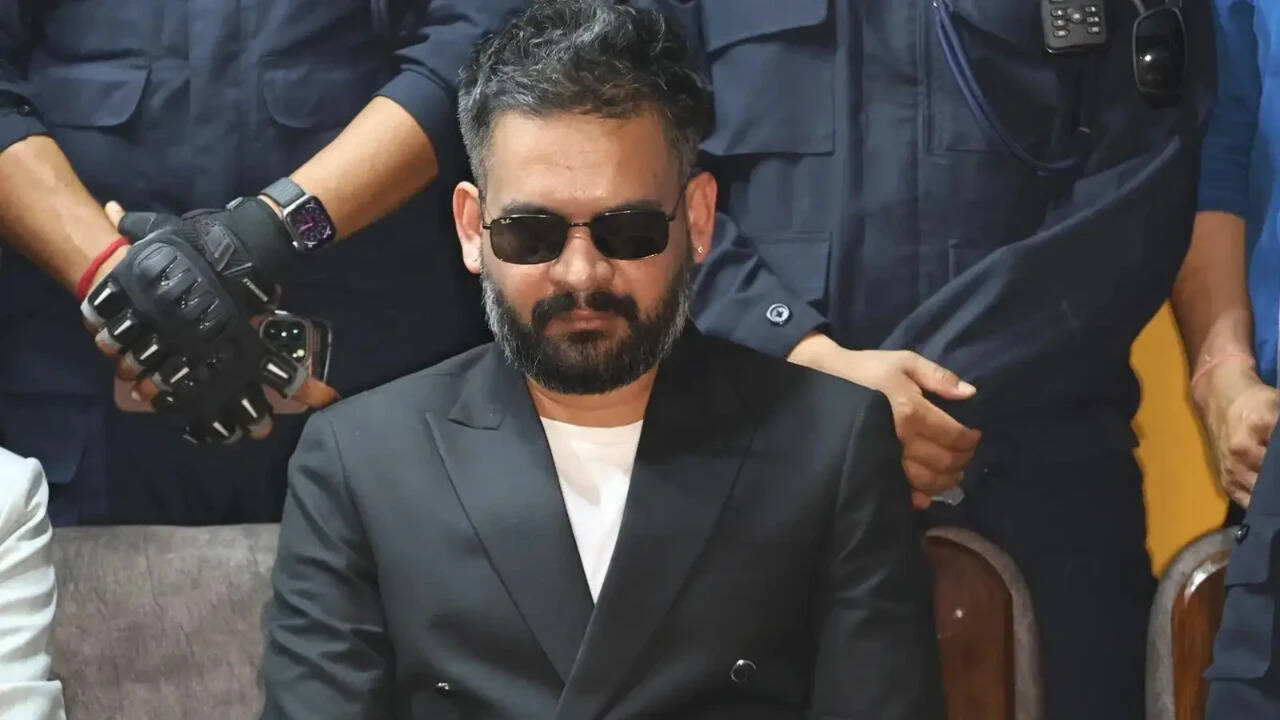
Nepal's Prime Minister Balen is facing growing street anger and unease within his own party just 150 days into his term. The protests are a significant challenge to his leadership, which had initially been buoyed by a wave of support from the country's Gen Z population.
The Gen Z wave had played a crucial role in bringing Balen to power, with many young Nepalis drawn to his promises of change and reform. However, the initial enthusiasm has given way to frustration and disillusionment as the government has struggled to deliver on its key promises.
The street anger is being driven by a range of factors, including rising living costs, unemployment, and a perceived lack of action on key issues such as corruption and inequality. The protests have been largely peaceful, but there are concerns that they could escalate if the government does not take concrete steps to address the grievances of the protesters.
Balen's own party is also showing signs of unease, with some members expressing frustration at the slow pace of reform and the government's inability to deliver on its promises. The party unease is a significant challenge for Balen, who will need to navigate the complex web of alliances and interests within his own party in order to push through his reform agenda.
The situation in Nepal is being closely watched by neighboring countries, including India, which has long been a key player in Nepali politics. The Indian government has traditionally enjoyed close ties with Nepal, but the current situation is complex and nuanced, with multiple factors at play.
As the protests continue, Balen will need to find a way to address the grievances of the protesters and restore confidence in his government. This will require a combination of short-term measures to address the immediate concerns of the protesters, as well as longer-term reforms to tackle the underlying issues driving the unrest.
The outcome of the current situation in Nepal is far from certain, but one thing is clear: Balen will need to move quickly to restore stability and confidence in his government. If he is unable to do so, the consequences could be significant, not just for Nepal, but for the wider region.
In conclusion, Nepal's Prime Minister Balen is facing a significant challenge to his leadership, driven by street anger and party unease. The situation is complex and nuanced, with multiple factors at play. However, one thing is clear: Balen will need to move quickly to address the grievances of the protesters and restore confidence in his government.
Frequently asked questions
Why is Nepal's PM facing protests?
The protests are driven by rising living costs, unemployment, and a perceived lack of action on key issues.
What is the significance of the Gen Z wave in Nepal?
The Gen Z wave played a crucial role in bringing PM Balen to power, but has since turned to anger due to unfulfilled promises.