Pooja Bhatt Criticises Delhi University Over Protest Advisory
Pooja Bhatt opposes Delhi University's advisory to avoid Jantar Mantar protests.
'%3E%3Crect%20width%3D'96'%20height%3D'96'%20fill%3D'%231A5276'%2F%3E%3Ccircle%20cx%3D'30'%20cy%3D'24'%20r%3D'44'%20fill%3D'%23fff'%20opacity%3D'.12'%2F%3E%3Ccircle%20cx%3D'60'%20cy%3D'74'%20r%3D'40'%20fill%3D'%23000'%20opacity%3D'.10'%2F%3E%3C%2Fg%3E%3Cg%20fill%3D'%23fff'%3E%3Cpath%20d%3D'M31%2041%20L48%2031%20L65%2041%20Z'%2F%3E%3Crect%20x%3D'33'%20y%3D'43'%20width%3D'4'%20height%3D'17'%2F%3E%3Crect%20x%3D'41'%20y%3D'43'%20width%3D'4'%20height%3D'17'%2F%3E%3Crect%20x%3D'51'%20y%3D'43'%20width%3D'4'%20height%3D'17'%2F%3E%3Crect%20x%3D'59'%20y%3D'43'%20width%3D'4'%20height%3D'17'%2F%3E%3Crect%20x%3D'30'%20y%3D'62'%20width%3D'36'%20height%3D'4'%20rx%3D'1'%2F%3E%3C%2Fg%3E%3C%2Fsvg%3E)
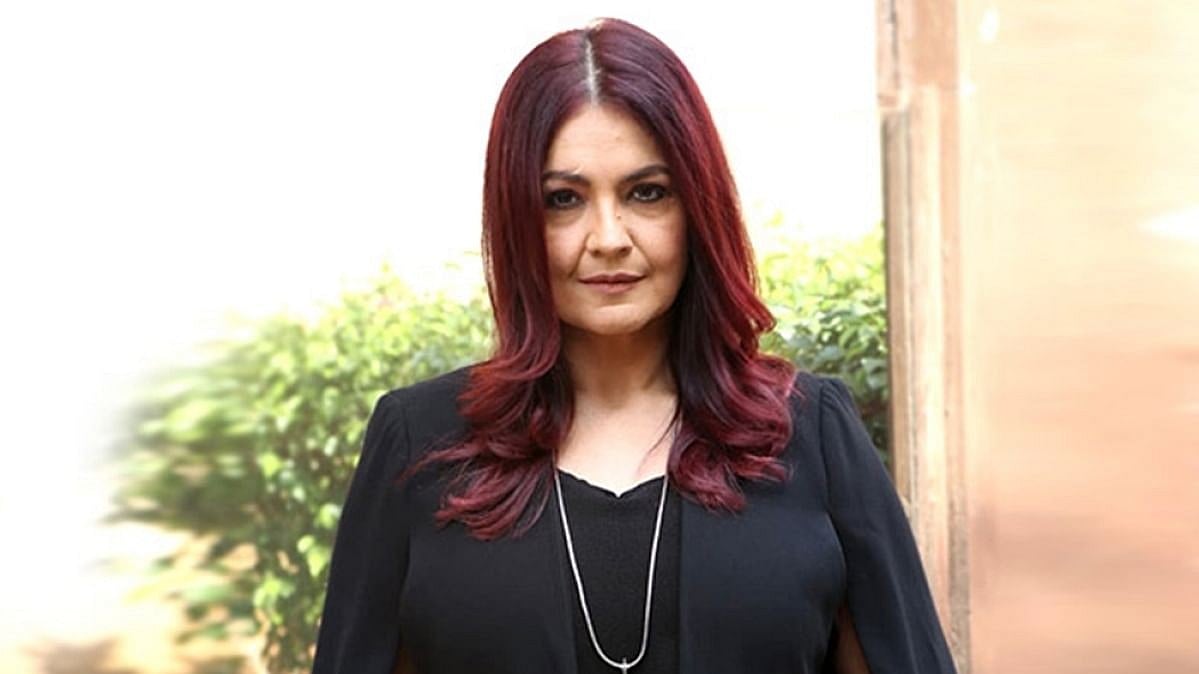
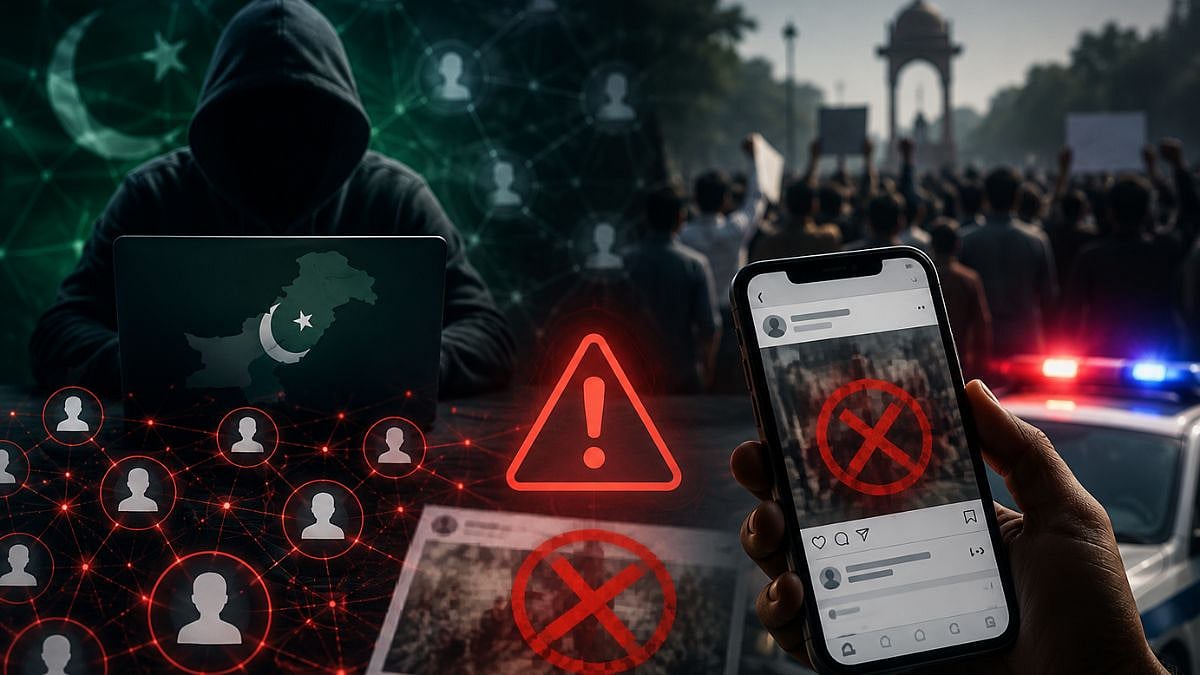
Actress-director Pooja Bhatt has spoken out against Delhi University's advisory urging students and faculty to stay away from the ongoing protests at Jantar Mantar in New Delhi. The university issued the advisory due to protests over irregularities in the education system, including the alleged NEET paper leak.
The protests, led by the Cockroach Janta Party, have drawn large crowds in the national capital and have also spread to cities such as Mumbai and Bengaluru. Demonstrators are demanding the resignation of Education Minister Dharmendra Pradhan.
On Thursday, Delhi University shared a public advisory on social media, stating that any unlawful assemblies or demonstrations at Jantar Mantar may invite legal action. The university expressed concern for the safety of its students and faculty, citing the potential risks to their personal safety and academic progress.
However, Pooja Bhatt reposted the university's message on social media and expressed her disagreement with the advisory. She argued that suppressing the voices of students would put their safety in greater jeopardy. Bhatt believes that supporting the right to speak out is essential for the future of students.
The protests at Jantar Mantar have primarily focused on demands for Dharmendra Pradhan's resignation. The Cockroach Janta Party has reiterated its stand, stating that the movement will not stop until Pradhan resigns. Pradhan has responded strongly to the protests, accusing the Congress party of using students as political tools.
The situation has sparked a debate about the right to protest and the role of educational institutions in supporting or suppressing the voices of their students. Pooja Bhatt's criticism of the advisory has highlighted the importance of encouraging young people to exercise their right to speak out.
The protests over irregularities in the education system have been ongoing, with demonstrators demanding action from the government. The issue has gained significant attention, with many calling for greater transparency and accountability in the education sector.
In conclusion, Pooja Bhatt's criticism of Delhi University's advisory has brought attention to the importance of supporting the right to protest and speak out. The situation highlights the need for educational institutions to balance their concern for student safety with the need to encourage young people to engage in democratic processes.
The issue has significant implications for the future of India's education system and the role of young people in shaping the country's future. As the protests continue, it remains to be seen how the situation will unfold and what actions will be taken by the government and educational institutions.
The debate surrounding the advisory has sparked a wider conversation about the importance of free speech and the role of educational institutions in supporting or suppressing the voices of their students. It is essential to consider the potential consequences of suppressing the voices of young people and the impact it could have on their future.
In the context of India's democratic system, the right to protest and speak out is a fundamental aspect of citizenship. Educational institutions have a critical role to play in supporting and encouraging young people to engage in democratic processes.
The situation at Jantar Mantar serves as a reminder of the importance of protecting and promoting the right to free speech and assembly. It is crucial for educational institutions and the government to work together to create an environment that supports the voices of young people and encourages them to participate in democratic processes.
Ultimately, the outcome of the situation will depend on the actions taken by the government, educational institutions, and the students themselves. It is essential to prioritize the safety and well-being of students while also supporting their right to speak out and engage in democratic processes.
The future of India's education system and the role of young people in shaping the country's future depend on the ability of educational institutions and the government to balance their concerns for student safety with the need to encourage young people to engage in democratic processes.
Frequently asked questions
What is the reason behind the protests at Jantar Mantar?
The protests are over irregularities in the education system, including the alleged NEET paper leak.
What is Pooja Bhatt's stance on the advisory issued by Delhi University?
Pooja Bhatt opposes the advisory, believing that suppressing the voices of students would put their safety in greater jeopardy.