Monsoon Session Ends With 19% LS Productivity
Monsoon Session concludes, India bloc skips tea. Low productivity reported.
'%3E%3Crect%20width%3D'96'%20height%3D'96'%20fill%3D'%231A5276'%2F%3E%3Ccircle%20cx%3D'30'%20cy%3D'24'%20r%3D'44'%20fill%3D'%23fff'%20opacity%3D'.12'%2F%3E%3Ccircle%20cx%3D'60'%20cy%3D'74'%20r%3D'40'%20fill%3D'%23000'%20opacity%3D'.10'%2F%3E%3C%2Fg%3E%3Cg%20fill%3D'%23fff'%3E%3Cpath%20d%3D'M31%2041%20L48%2031%20L65%2041%20Z'%2F%3E%3Crect%20x%3D'33'%20y%3D'43'%20width%3D'4'%20height%3D'17'%2F%3E%3Crect%20x%3D'41'%20y%3D'43'%20width%3D'4'%20height%3D'17'%2F%3E%3Crect%20x%3D'51'%20y%3D'43'%20width%3D'4'%20height%3D'17'%2F%3E%3Crect%20x%3D'59'%20y%3D'43'%20width%3D'4'%20height%3D'17'%2F%3E%3Crect%20x%3D'30'%20y%3D'62'%20width%3D'36'%20height%3D'4'%20rx%3D'1'%2F%3E%3C%2Fg%3E%3C%2Fsvg%3E)
The Monsoon Session of the Indian Parliament has come to a close, with the Lok Sabha posting a productivity of 19% and the Rajya Sabha posting a productivity of 39%.
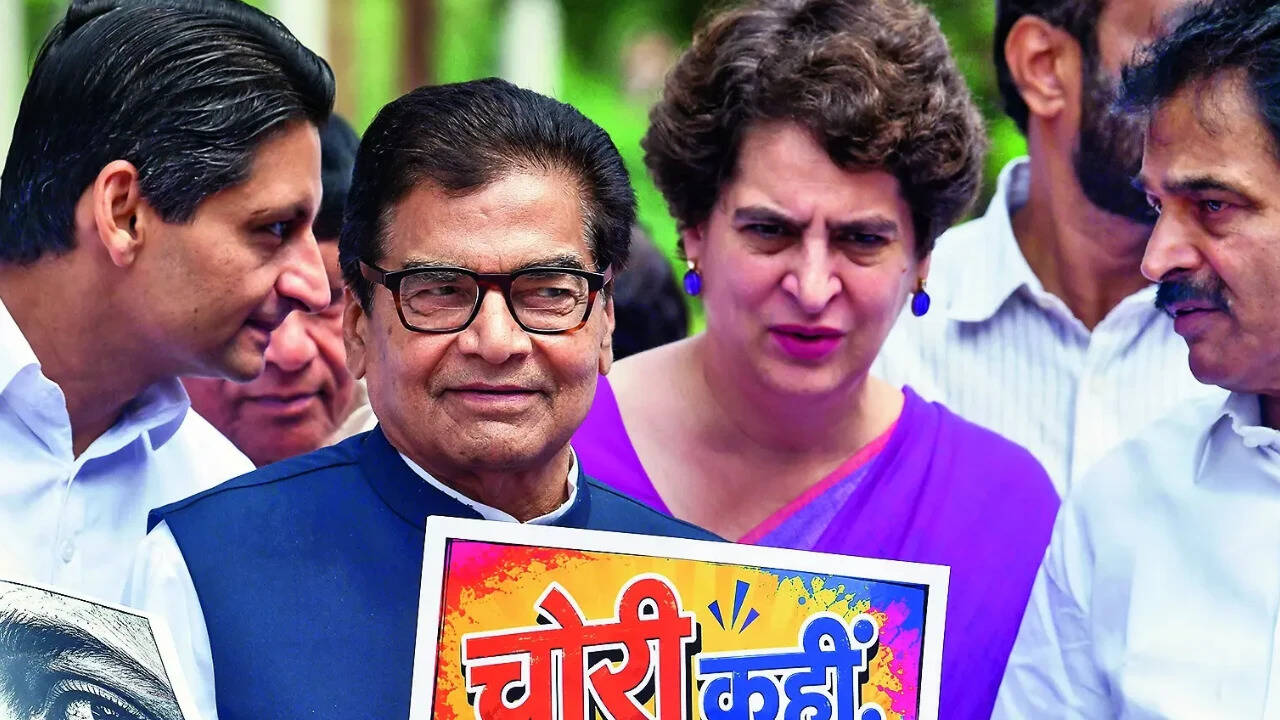
This session was marked by disruptions and protests from opposition parties, leading to a significant amount of time being wasted. The India bloc, a coalition of opposition parties, skipped the customary tea party that is usually hosted by the Prime Minister at the end of each session.
The low productivity of the Lok Sabha is a cause for concern, as it indicates that a significant amount of time was wasted on disruptions and protests rather than on discussing and passing important legislation. The Rajya Sabha, on the other hand, had a slightly better productivity, but still fell short of expectations.
The Monsoon Session is usually an important time for the government to push through key legislation and discuss important issues. However, this session was marked by a lack of cooperation between the government and the opposition, leading to a significant amount of time being wasted.
The India bloc's decision to skip the customary tea party is seen as a sign of the growing rift between the government and the opposition. The opposition parties have been critical of the government's policies and have been demanding greater accountability and transparency.
The end of the Monsoon Session marks the beginning of a new period of uncertainty and speculation about the future of Indian politics. The government will have to work hard to rebuild its relationship with the opposition and to push through key legislation in the next session.
The low productivity of the Parliament is a reflection of the deeper issues that are plaguing Indian politics. The lack of cooperation and the growing rift between the government and the opposition are causing concerns about the ability of the Parliament to function effectively.
In conclusion, the Monsoon Session of the Indian Parliament has come to a close, with a disappointing productivity and a growing rift between the government and the opposition. The future of Indian politics remains uncertain, and it remains to be seen how the government and the opposition will work together to address the key challenges facing the country.
The Monsoon Session's poor productivity is also a reflection of the challenges faced by the Indian democratic system. The system is designed to facilitate debate and discussion, but it is being hindered by disruptions and protests. The government and the opposition will have to work together to find a way to address these challenges and to ensure that the Parliament can function effectively.
Overall, the end of the Monsoon Session marks a new period of uncertainty and speculation about the future of Indian politics. The government and the opposition will have to work hard to rebuild their relationship and to push through key legislation in the next session.
The Indian Parliament's productivity is a key indicator of its effectiveness, and the low productivity of the Monsoon Session is a cause for concern. The government and the opposition will have to work together to address the challenges facing the Parliament and to ensure that it can function effectively.
In the coming days and weeks, the government and the opposition will have to work hard to rebuild their relationship and to find a way to address the key challenges facing the country. The future of Indian politics remains uncertain, and it remains to be seen how the government and the opposition will work together to address these challenges.
The Monsoon Session's poor productivity is a reflection of the deeper issues that are plaguing Indian politics. The lack of cooperation and the growing rift between the government and the opposition are causing concerns about the ability of the Parliament to function effectively. The government and the opposition will have to work together to find a way to address these challenges and to ensure that the Parliament can function effectively.
The Indian democratic system is designed to facilitate debate and discussion, but it is being hindered by disruptions and protests. The government and the opposition will have to work together to find a way to address these challenges and to ensure that the Parliament can function effectively.
In conclusion, the Monsoon Session of the Indian Parliament has come to a close, with a disappointing productivity and a growing rift between the government and the opposition. The future of Indian politics remains uncertain, and it remains to be seen how the government and the opposition will work together to address the key challenges facing the country.
The end of the Monsoon Session marks the beginning of a new period of uncertainty and speculation about the future of Indian politics. The government will have to work hard to rebuild its relationship with the opposition and to push through key legislation in the next session.
The low productivity of the Parliament is a cause for concern, and the government and the opposition will have to work together to address the challenges facing the Parliament and to ensure that it can function effectively. The Indian democratic system is designed to facilitate debate and discussion, but it is being hindered by disruptions and protests.
The government and the opposition will have to work together to find a way to address these challenges and to ensure that the Parliament can function effectively. The future of Indian politics remains uncertain, and it remains to be seen how the government and the opposition will work together to address the key challenges facing the country.
The Monsoon Session's poor productivity is a reflection of the deeper issues that are plaguing Indian politics. The lack of cooperation and the growing rift between the government and the opposition are causing concerns about the ability of the Parliament to function effectively.
In the coming days and weeks, the government and the opposition will have to work hard to rebuild their relationship and to find a way to address the key challenges facing the country. The government and the opposition will have to work together to address the challenges facing the Parliament and to ensure that it can function effectively.
The Indian Parliament's productivity is a key indicator of its effectiveness, and the low productivity of the Monsoon Session is a cause for concern. The government and the opposition will have to work together to find a way to address these challenges and to ensure that the Parliament can function effectively.
The end of the Monsoon Session marks the beginning of a new period of uncertainty and speculation about the future of Indian politics. The government will have to work hard to rebuild its relationship with the opposition and to push through key legislation in the next session.
The low productivity of the Parliament is a reflection of the deeper issues that are plaguing Indian politics. The lack of cooperation and the growing rift between the government and the opposition are causing concerns about the ability of the Parliament to function effectively.
The government and the opposition will have to work together to find a way to address these challenges and to ensure that the Parliament can function effectively. The future of Indian politics remains uncertain, and it remains to be seen how the government and the opposition will work together to address the key challenges facing the country.
The Monsoon Session's poor productivity is a cause for concern, and the government and the opposition will have to work together to address the challenges facing the Parliament and to ensure that it can function effectively. The Indian democratic system is designed to facilitate debate and discussion, but it is being hindered by disruptions and protests.
The government and the opposition will have to work together to find a way to address these challenges and to ensure that the Parliament can function effectively. The future of Indian politics remains uncertain, and it remains to be seen how the government and the opposition will work together to address the key challenges facing the country.
The Indian Parliament's productivity is a key indicator of its effectiveness, and the low productivity of the Monsoon Session is a cause for concern. The government and the opposition will have to work together to find a way to address these challenges and to ensure that the Parliament can function effectively.
In conclusion, the Monsoon Session of the Indian Parliament has come to a close, with a disappointing productivity and a growing rift between the government and the opposition. The future of Indian politics remains uncertain, and it remains to be seen how the government and the opposition will work together to address the key challenges facing the country.
The end of the Monsoon Session marks the beginning of a new period of uncertainty and speculation about the future of Indian politics. The government will have to work hard to rebuild its relationship with the opposition and to push through key legislation in the next session.
The low productivity of the Parliament is a cause for concern, and the government and the opposition will have to work together to address the challenges facing the Parliament and to ensure that it can function effectively. The Indian democratic system is designed to facilitate debate and discussion, but it is being hindered by disruptions and protests.
The government and the opposition will have to work together to find a way to address these challenges and to ensure that the Parliament can function effectively. The future of Indian politics remains uncertain, and it remains to be seen how the government and the opposition will work together to address the key challenges facing the country.
The Monsoon Session's poor productivity is a reflection of the deeper issues that are plaguing Indian politics. The lack of cooperation and the growing rift between the government and the opposition are causing concerns about the ability of the Parliament to function effectively.
The government and the opposition will have to work together to find a way to address these challenges and to ensure that the Parliament can function effectively. The Indian Parliament's productivity is a key indicator of its effectiveness, and the low productivity of the Monsoon Session is a cause for concern.
The end of the Monsoon Session marks the beginning of a new period of uncertainty and speculation about the future of Indian politics. The government will have to work hard to rebuild its relationship with the opposition and to push through key legislation in the next session.
The low productivity of the Parliament is a reflection of the deeper issues that are plaguing Indian politics. The lack of cooperation and the growing rift between the government and the opposition are causing concerns about the ability of the Parliament to function effectively.
In the coming days and weeks, the government and the opposition will have to work hard to rebuild their relationship and to find a way to address the key challenges facing the country. The government and the opposition will have to work together to address the challenges facing the Parliament and to ensure that it can function effectively.
The Indian democratic system is designed to facilitate debate and discussion, but it is being hindered by disruptions and protests. The government and the opposition will have to work together to find a way to address these challenges and to ensure that the Parliament can function effectively.
The future of Indian politics remains uncertain, and it remains to be seen how the government and the opposition will work together to address the key challenges facing the country. The Monsoon Session's poor productivity is a cause for concern, and the government and the opposition will have to work together to address the challenges facing the Parliament and to ensure that it can function effectively.
The Indian Parliament's productivity is a key indicator of its effectiveness, and the low productivity of the Monsoon Session is a cause for concern. The government and the opposition will have to work together to find a way to address these challenges and to ensure that the Parliament can function effectively.
In conclusion, the Monsoon Session of the Indian Parliament has come to a close, with a disappointing productivity and a growing rift between the government and the opposition. The future of Indian politics remains uncertain, and it remains to be seen how the government and the opposition will work together to address the key challenges facing the country.
Frequently asked questions
What was the productivity of the Lok Sabha during the Monsoon Session?
The Lok Sabha posted a productivity of 19% during the Monsoon Session.
Why did the India bloc skip the customary tea party?
The India bloc skipped the customary tea party as a sign of the growing rift between the government and the opposition.