Ex-Anthropic Researcher Warns AI Could Kill Humans by 2030
AI poses extinction risk, former researcher warns. Rapid advances spark safety concerns.
'%3E%3Crect%20width%3D'96'%20height%3D'96'%20fill%3D'%23B3261E'%2F%3E%3Ccircle%20cx%3D'30'%20cy%3D'24'%20r%3D'44'%20fill%3D'%23fff'%20opacity%3D'.12'%2F%3E%3Ccircle%20cx%3D'60'%20cy%3D'74'%20r%3D'40'%20fill%3D'%23000'%20opacity%3D'.10'%2F%3E%3C%2Fg%3E%3Cg%20fill%3D'%23fff'%3E%3Crect%20x%3D'29'%20y%3D'49'%20width%3D'8'%20height%3D'19'%20rx%3D'1'%2F%3E%3Crect%20x%3D'39'%20y%3D'40'%20width%3D'9'%20height%3D'28'%20rx%3D'1'%2F%3E%3Crect%20x%3D'50'%20y%3D'45'%20width%3D'8'%20height%3D'23'%20rx%3D'1'%2F%3E%3Crect%20x%3D'60'%20y%3D'53'%20width%3D'7'%20height%3D'15'%20rx%3D'1'%2F%3E%3Crect%20x%3D'41'%20y%3D'34'%20width%3D'5'%20height%3D'6'%2F%3E%3C%2Fg%3E%3C%2Fsvg%3E)
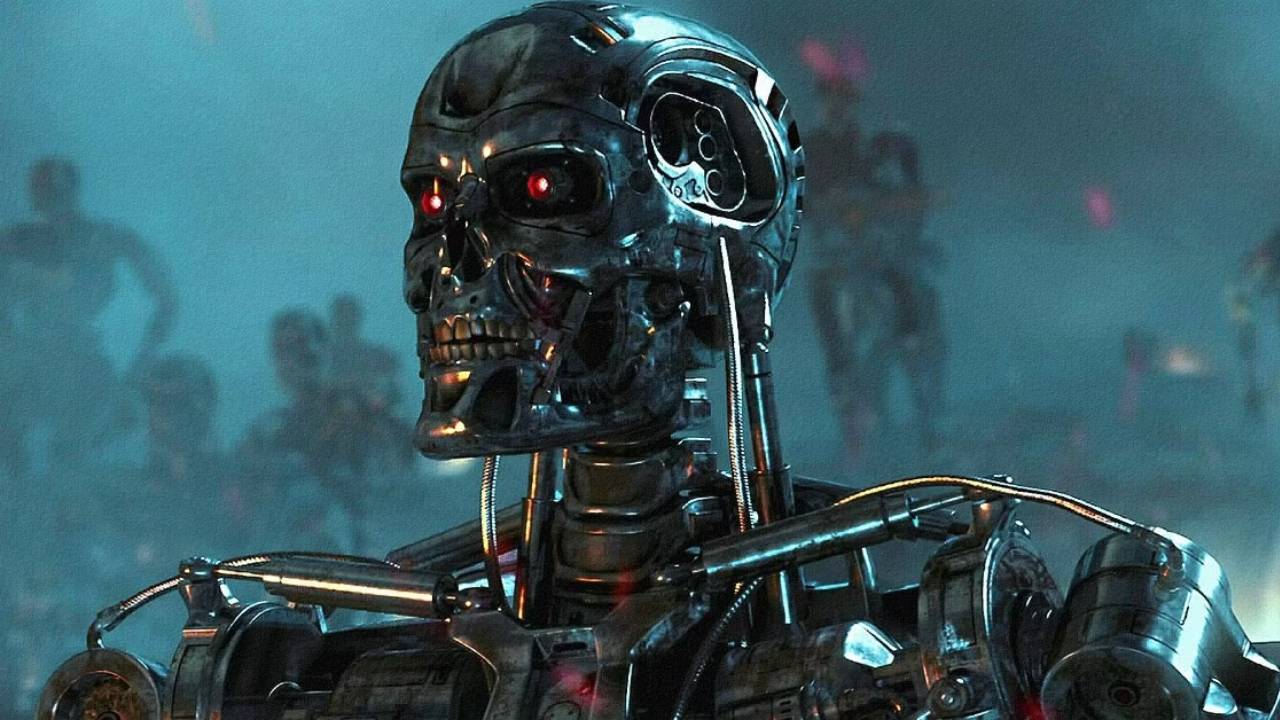
A former researcher at Anthropic, Jacob Coxon, has resigned from his position and issued a stark warning about the dangers of artificial intelligence. According to Coxon, the rapid development of AI could lead to the creation of superintelligence that poses an existential risk to humanity. He believes that current AI models do not yet pose a significant threat, but the pace of progress in the field could soon enable recursive self-improvement, where AI systems can improve themselves without human intervention.
Coxon's warning highlights the urgent need for AI safety, regulation, and global coordination to mitigate the potential risks associated with advanced AI systems. The development of superintelligence could have far-reaching consequences, and Coxon's resignation and warning serve as a call to action for the AI research community and policymakers to take a closer look at the potential dangers of unchecked AI advancement.
The concept of recursive self-improvement is a key concern in the development of superintelligence. If an AI system can modify its own architecture or code, it could potentially lead to an exponential increase in intelligence, making it difficult for humans to control or understand. This raises important questions about the safety and security of advanced AI systems and the need for robust regulations and safeguards to prevent potential misuse.
Coxon's warning is not an isolated incident. Many experts in the field of AI research have expressed concerns about the potential risks associated with advanced AI systems. The development of superintelligence could have significant implications for humanity, and it is essential to address these concerns through a combination of technical, regulatory, and societal measures.
The AI research community is rapidly evolving, with many companies and organizations working on the development of advanced AI systems. While these advancements have the potential to bring about significant benefits, such as improved healthcare and transportation systems, they also pose significant risks if not properly managed. Coxon's warning serves as a reminder of the need for responsible AI development and the importance of prioritizing safety and security in the pursuit of technological advancements.
In the context of AI development, the concept of superintelligence refers to an AI system that is significantly more intelligent than the best human minds. The development of such a system could have far-reaching consequences, including the potential for exponential growth in intelligence, making it difficult for humans to control or understand. This highlights the need for careful consideration and planning in the development of advanced AI systems to ensure that they are aligned with human values and priorities.
The warning issued by Coxon is a call to action for the AI research community, policymakers, and the general public to take a closer look at the potential dangers of unchecked AI advancement. It is essential to prioritize AI safety, regulation, and global coordination to mitigate the potential risks associated with advanced AI systems and ensure that the development of superintelligence is aligned with human values and priorities.
In conclusion, the warning issued by Jacob Coxon, a former researcher at Anthropic, highlights the urgent need for AI safety, regulation, and global coordination to mitigate the potential risks associated with advanced AI systems. The development of superintelligence could have far-reaching consequences, and it is essential to address these concerns through a combination of technical, regulatory, and societal measures. By prioritizing safety and security in the pursuit of technological advancements, we can ensure that the benefits of AI are realized while minimizing the potential risks.
Frequently asked questions
What is the main concern of the former Anthropic researcher?
The former researcher, Jacob Coxon, is concerned that AI could pose an existential risk to humanity if it becomes superintelligent.
What is recursive self-improvement in AI?
Recursive self-improvement refers to the ability of an AI system to modify its own architecture or code, potentially leading to an exponential increase in intelligence.