SC Limits BCI Chair Tenure to 2 Years
SC rules on BCI chair's term, restricts extension.
'%3E%3Crect%20width%3D'96'%20height%3D'96'%20fill%3D'%231A5276'%2F%3E%3Ccircle%20cx%3D'30'%20cy%3D'24'%20r%3D'44'%20fill%3D'%23fff'%20opacity%3D'.12'%2F%3E%3Ccircle%20cx%3D'60'%20cy%3D'74'%20r%3D'40'%20fill%3D'%23000'%20opacity%3D'.10'%2F%3E%3C%2Fg%3E%3Cg%20fill%3D'%23fff'%3E%3Cpath%20d%3D'M31%2041%20L48%2031%20L65%2041%20Z'%2F%3E%3Crect%20x%3D'33'%20y%3D'43'%20width%3D'4'%20height%3D'17'%2F%3E%3Crect%20x%3D'41'%20y%3D'43'%20width%3D'4'%20height%3D'17'%2F%3E%3Crect%20x%3D'51'%20y%3D'43'%20width%3D'4'%20height%3D'17'%2F%3E%3Crect%20x%3D'59'%20y%3D'43'%20width%3D'4'%20height%3D'17'%2F%3E%3Crect%20x%3D'30'%20y%3D'62'%20width%3D'36'%20height%3D'4'%20rx%3D'1'%2F%3E%3C%2Fg%3E%3C%2Fsvg%3E)
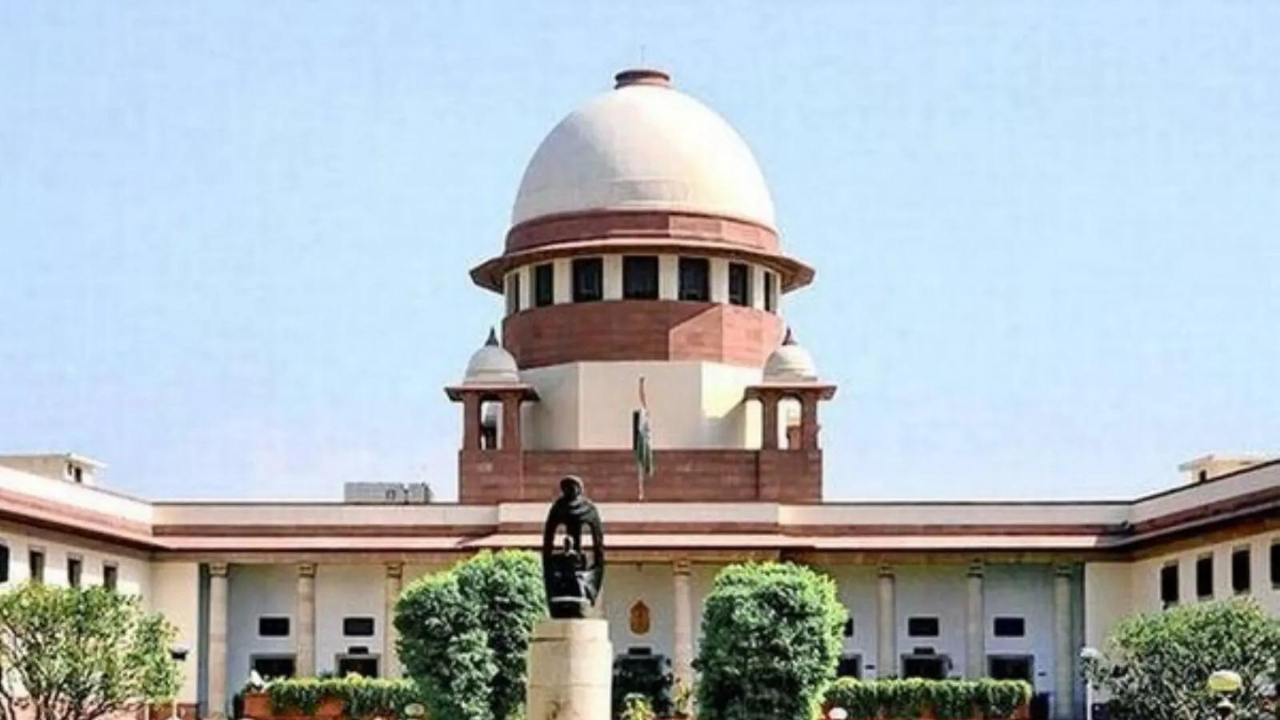
The Supreme Court has ruled that the tenure of the Bar Council of India (BCI) chairperson is limited to 2 years. This decision comes after the BCI had attempted to extend the term of its chairperson through a resolution.
The court's ruling is clear: the BCI chair's tenure cannot be extended beyond 2 years by a simple resolution. This decision is expected to have significant implications for the functioning of the BCI.
The BCI is a statutory body that regulates the legal profession in India. It is responsible for ensuring that lawyers adhere to ethical standards and for maintaining the integrity of the legal system. The chairperson of the BCI plays a crucial role in shaping the organization's policies and direction.
In recent times, the BCI has faced criticism for its handling of certain issues, including allegations of lavish spending. The organization has been accused of misusing funds and engaging in extravagant expenditures. These allegations have raised concerns about the BCI's accountability and transparency.
The Supreme Court's decision to limit the BCI chair's tenure to 2 years is seen as a move to promote accountability and prevent the concentration of power. By restricting the term of the chairperson, the court is ensuring that the BCI remains a democratic and representative organization.
The BCI has a long history of serving the legal profession in India. It was established under the Advocates Act, 1961, and has since played a vital role in regulating the legal profession. The organization has undergone several changes over the years, with various amendments being made to its governing laws.
The Supreme Court's ruling on the BCI chair's tenure is a significant development that is expected to have far-reaching implications for the legal profession in India. It is likely to lead to greater accountability and transparency within the BCI, and may also pave the way for reforms within the organization.
In conclusion, the Supreme Court's decision to limit the BCI chair's tenure to 2 years is a welcome move that promotes accountability and democracy within the organization. It is expected to have a positive impact on the functioning of the BCI and the legal profession as a whole.
The ruling is also seen as a reflection of the judiciary's commitment to upholding the rule of law and ensuring that institutions remain accountable to the public. The Supreme Court's decision is a reminder that institutions must be transparent and accountable in their functioning, and that the concentration of power must be prevented.
The implications of the Supreme Court's ruling are likely to be felt in the coming months and years. The BCI will need to adapt to the new reality and ensure that its functioning is in line with the court's decision. The legal profession in India will also need to respond to the changes brought about by the ruling, and ensure that the BCI remains a representative and democratic organization.
The Supreme Court's decision is a significant development that highlights the importance of accountability and transparency in institutions. It is a reminder that institutions must be subject to checks and balances, and that the concentration of power must be prevented. The ruling is expected to have a positive impact on the functioning of the BCI and the legal profession in India, and is a welcome move towards promoting accountability and democracy.
The BCI chair's tenure limitation is a step in the right direction, and is likely to lead to greater accountability and transparency within the organization. The Supreme Court's decision is a significant development that is expected to have far-reaching implications for the legal profession in India.
The ruling is a reflection of the judiciary's commitment to upholding the rule of law and ensuring that institutions remain accountable to the public. The Supreme Court's decision is a reminder that institutions must be transparent and accountable in their functioning, and that the concentration of power must be prevented.
In the end, the Supreme Court's decision to limit the BCI chair's tenure to 2 years is a welcome move that promotes accountability and democracy within the organization. It is expected to have a positive impact on the functioning of the BCI and the legal profession as a whole, and is a significant development that highlights the importance of accountability and transparency in institutions.
Frequently asked questions
What is the tenure of the BCI chairperson as per the Supreme Court's ruling?
The tenure of the BCI chairperson is limited to 2 years.
Can the BCI chairperson extend their term through a resolution?
No, the BCI chairperson cannot extend their term through a resolution as per the Supreme Court's ruling.