Nepal Floods: Multiple Triggers Possible
Nepal's deadly floods may have been caused by ice avalanche, glacial lake, or earthquake.
'%3E%3Crect%20width%3D'96'%20height%3D'96'%20fill%3D'%234A235A'%2F%3E%3Ccircle%20cx%3D'30'%20cy%3D'24'%20r%3D'44'%20fill%3D'%23fff'%20opacity%3D'.12'%2F%3E%3Ccircle%20cx%3D'60'%20cy%3D'74'%20r%3D'40'%20fill%3D'%23000'%20opacity%3D'.10'%2F%3E%3C%2Fg%3E%3Cg%20fill%3D'none'%20stroke%3D'%23fff'%20stroke-width%3D'3'%3E%3Ccircle%20cx%3D'48'%20cy%3D'48'%20r%3D'16'%2F%3E%3Cellipse%20cx%3D'48'%20cy%3D'48'%20rx%3D'6.5'%20ry%3D'16'%2F%3E%3Cline%20x1%3D'32'%20y1%3D'42'%20x2%3D'64'%20y2%3D'42'%2F%3E%3Cline%20x1%3D'32'%20y1%3D'54'%20x2%3D'64'%20y2%3D'54'%2F%3E%3C%2Fg%3E%3C%2Fsvg%3E)
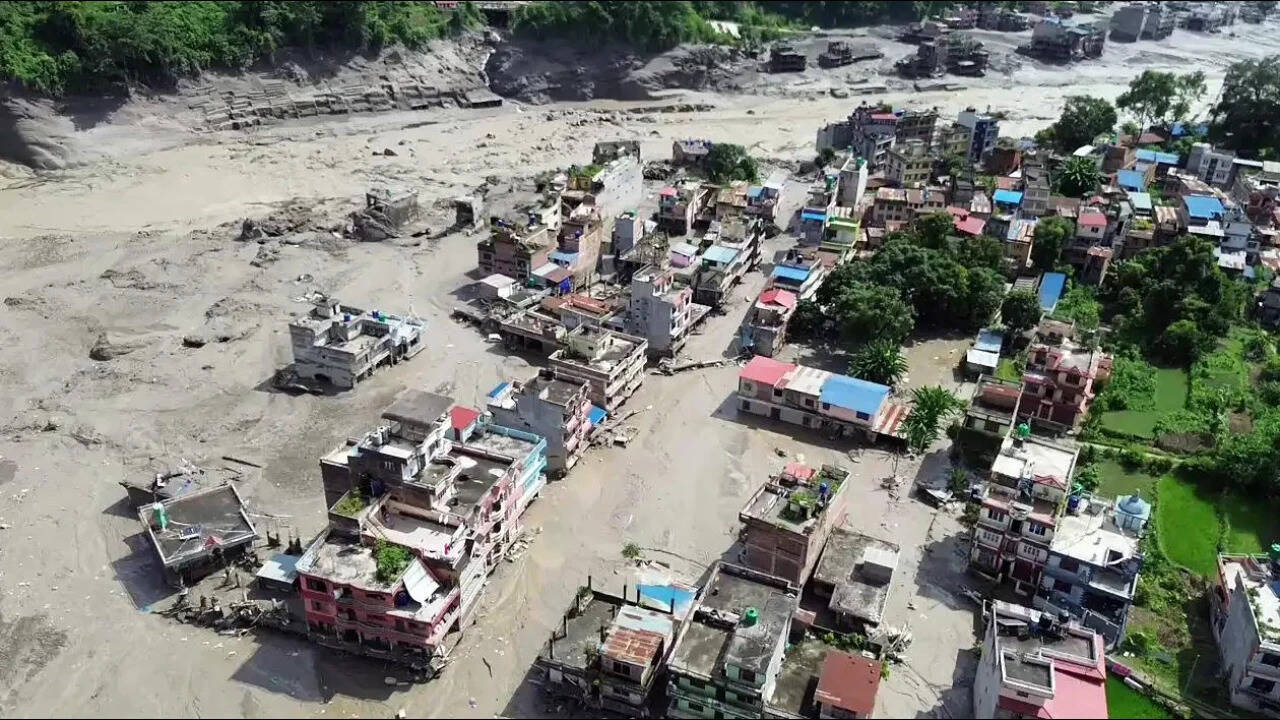
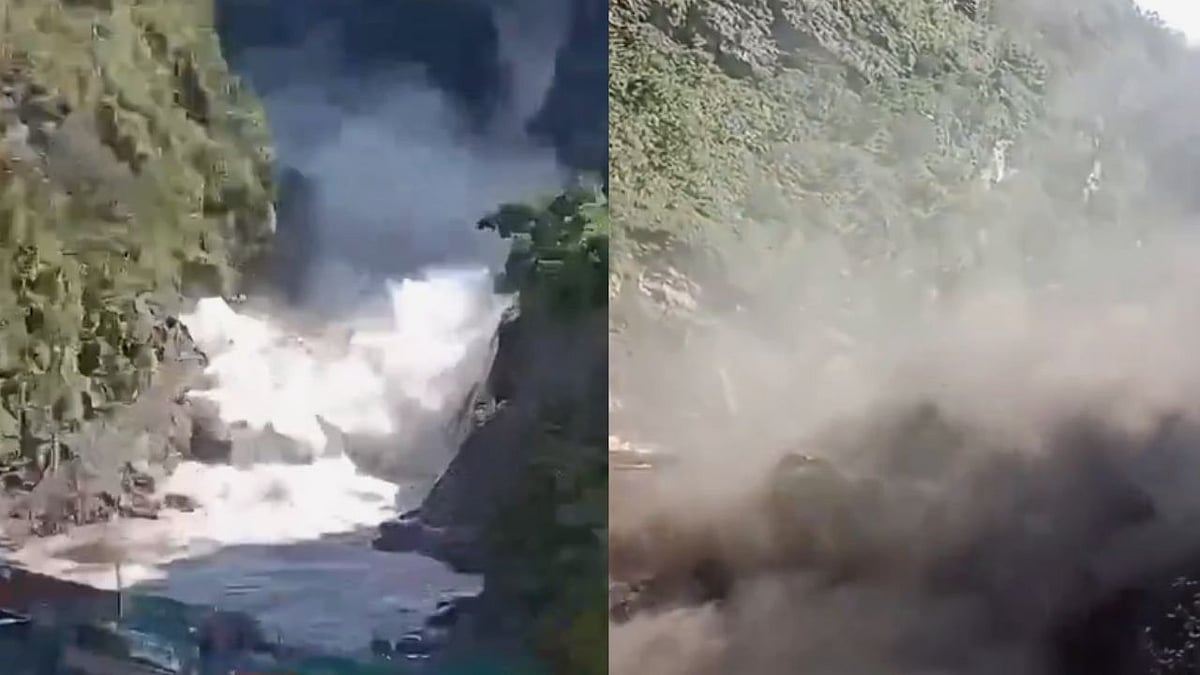
A recent flood in Nepal has raised questions about its cause, with multiple possibilities being considered. The flood, which was deadly, may have been triggered by an ice avalanche, the bursting of a glacial lake, or even an earthquake.
The ice avalanche theory suggests that a large amount of ice broke off from a glacier, causing a massive amount of water to be released. This water then flowed down the mountain, causing the flood.
Another possibility is that a glacial lake burst, releasing a large amount of water into the surrounding area. Glacial lakes are formed when meltwater from glaciers is trapped by a natural dam, and they can be unstable and prone to bursting.
A third possibility is that an earthquake triggered the flood. Earthquakes can cause glaciers to shift and release large amounts of water, leading to flooding.
The exact cause of the flood is still unknown and is being investigated. The Nepalese government and international experts are working together to determine the cause of the flood and to prevent similar disasters in the future.
Nepal is a country that is prone to natural disasters, including floods, landslides, and earthquakes. The country's geography, with its steep mountains and rivers, makes it vulnerable to these types of disasters.
The flood has highlighted the need for better disaster preparedness and management in Nepal. The government and international organizations are working to improve the country's disaster response capabilities and to reduce the risk of similar disasters in the future.
In recent years, Nepal has experienced several major floods, including one in 2014 that killed over 200 people. The country is also home to several major rivers, including the Kosi and the Gandaki, which are prone to flooding.
The investigation into the cause of the flood is ongoing, and it is expected to take several weeks to determine the exact cause. In the meantime, the Nepalese government and international organizations are working to provide aid to those affected by the flood and to prevent similar disasters in the future.
The flood has also raised concerns about the impact of climate change on Nepal's glaciers and rivers. Rising temperatures are causing glaciers to melt at a faster rate, which can lead to an increase in glacial lake outburst floods.
In conclusion, the exact cause of the Nepal flood is still unknown, but it is clear that the country is vulnerable to natural disasters. The government and international organizations are working to improve disaster preparedness and management, and to reduce the risk of similar disasters in the future.
Frequently asked questions
What may have caused the Nepal floods?
The floods may have been caused by an ice avalanche, glacial lake burst, or earthquake.
Is the cause of the Nepal floods known?
No, the exact cause is still unknown and is being investigated.