Nepal Slams China Over Flash Flood Warning
Nepal questions China's failure to issue early warning, Nepalese journalist criticizes China, 16 dead and hundreds missing
'%3E%3Crect%20width%3D'96'%20height%3D'96'%20fill%3D'%234A235A'%2F%3E%3Ccircle%20cx%3D'30'%20cy%3D'24'%20r%3D'44'%20fill%3D'%23fff'%20opacity%3D'.12'%2F%3E%3Ccircle%20cx%3D'60'%20cy%3D'74'%20r%3D'40'%20fill%3D'%23000'%20opacity%3D'.10'%2F%3E%3C%2Fg%3E%3Cg%20fill%3D'none'%20stroke%3D'%23fff'%20stroke-width%3D'3'%3E%3Ccircle%20cx%3D'48'%20cy%3D'48'%20r%3D'16'%2F%3E%3Cellipse%20cx%3D'48'%20cy%3D'48'%20rx%3D'6.5'%20ry%3D'16'%2F%3E%3Cline%20x1%3D'32'%20y1%3D'42'%20x2%3D'64'%20y2%3D'42'%2F%3E%3Cline%20x1%3D'32'%20y1%3D'54'%20x2%3D'64'%20y2%3D'54'%2F%3E%3C%2Fg%3E%3C%2Fsvg%3E)
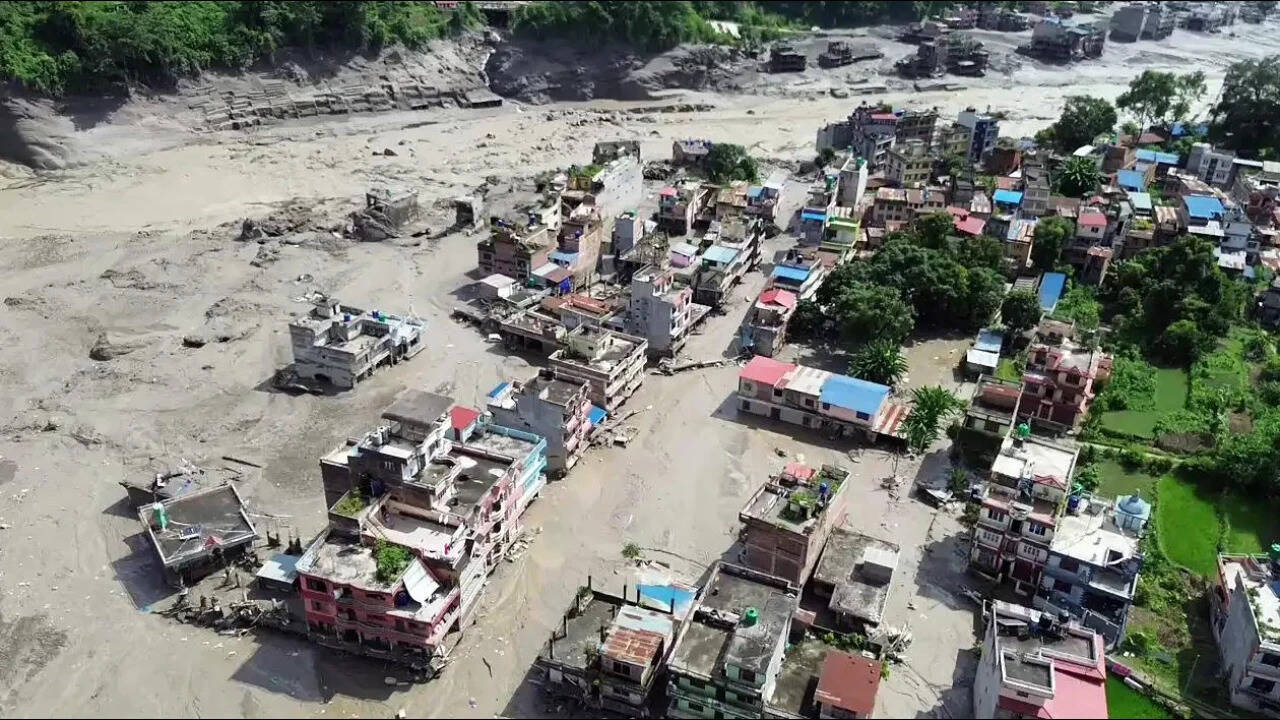
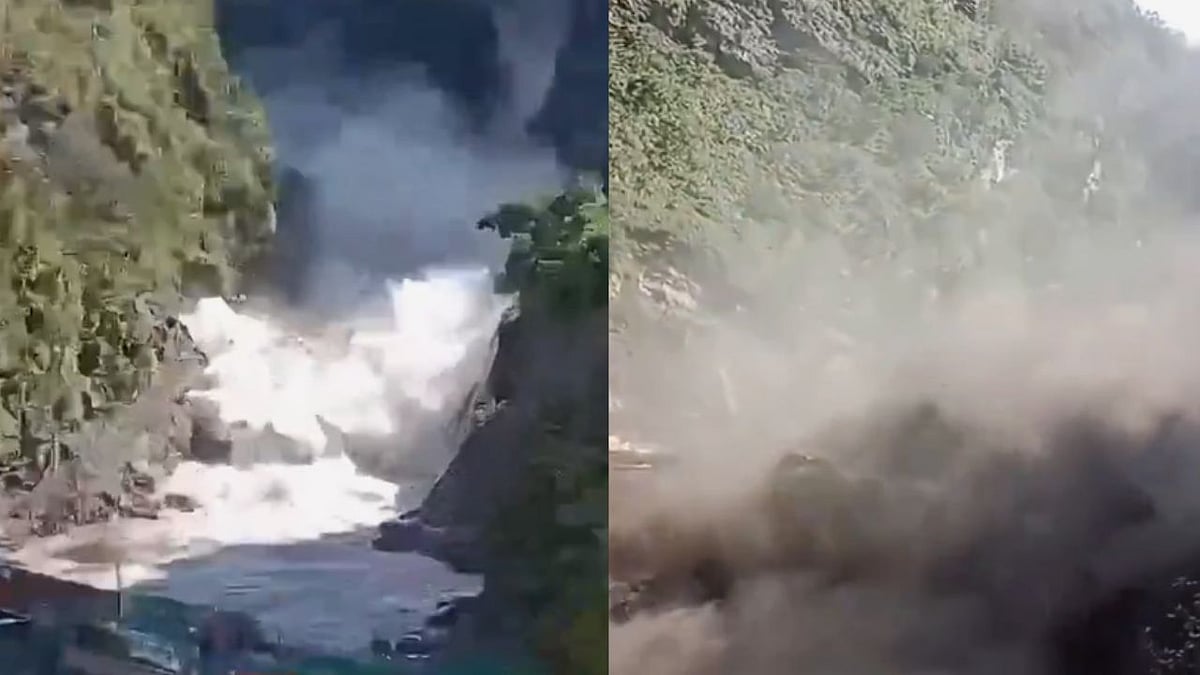
A devastating flash flood swept through Nepal’s Rasuwa district from the Tibetan side, resulting in the loss of 16 lives and hundreds of people reported missing.
The sudden flooding destroyed homes, vehicles, roads, bridges, customs facilities, and hydropower infrastructure.
Rescue and evacuation operations were launched as authorities issued alerts to communities located downstream along the river system.
Nepali journalist Parshuram Kaphle has questioned China’s alleged failure to issue an early warning to Nepal, saying the lack of timely information may have worsened the loss of life and destruction.
Kaphle criticized Nepal’s “northern neighbor” in a post on X, questioning why an early warning was not provided before such a large volume of water reached Nepal.
Kaphle said Nepal had consistently taken into account the legitimate security concerns of its neighbours, but alleged that China had “significantly undermined” Nepal by failing to provide timely information about the approaching disaster.
He further argued that Nepal has repeatedly faced crises originating from Chinese territory while continuing to accommodate Beijing’s concerns, asking why Nepal should continue bearing the consequences alone.
The flash flood ravaged Nepal’s border areas, with a massive surge of water entering the Bhote Koshi River from the Tibetan side on the morning of August 26.
The disaster was not confined to Nepal, with reports saying China’s Gyirong area and port near the border were also severely affected, with casualties and property damage.
Helicopter rescue operations were reportedly hampered by the high water levels and difficult conditions.
Several tourists and foreign nationals were also feared missing, with some reports saying 105 Indians were among those affected.
The incident has raised questions about the relationship between Nepal and China, with many calling for greater cooperation and communication between the two countries to prevent such disasters in the future.
It remains to be seen how the two countries will respond to the crisis and work together to mitigate the effects of such disasters.
In the meantime, rescue efforts are ongoing, with authorities working to provide aid and support to those affected by the disaster.
The international community is also being called upon to provide assistance to Nepal as it deals with the aftermath of the flash flood.
The incident is a reminder of the importance of regional cooperation and the need for countries to work together to address common challenges and prevent disasters.
It is hoped that the incident will serve as a catalyst for greater cooperation and communication between Nepal and China, and that the two countries will work together to build a more resilient and disaster-resistant region.
Frequently asked questions
What happened in Nepal?
A flash flood swept through Nepal’s Rasuwa district, resulting in 16 deaths and hundreds missing.
Why is Nepal criticizing China?
Nepal is criticizing China for failing to issue an early warning before the flash flood, which may have worsened the loss of life and destruction.