US Strikes Iran After Tanker Attacks
US launches new strikes, Iran vows resistance. Tensions escalate in the Strait of Hormuz.

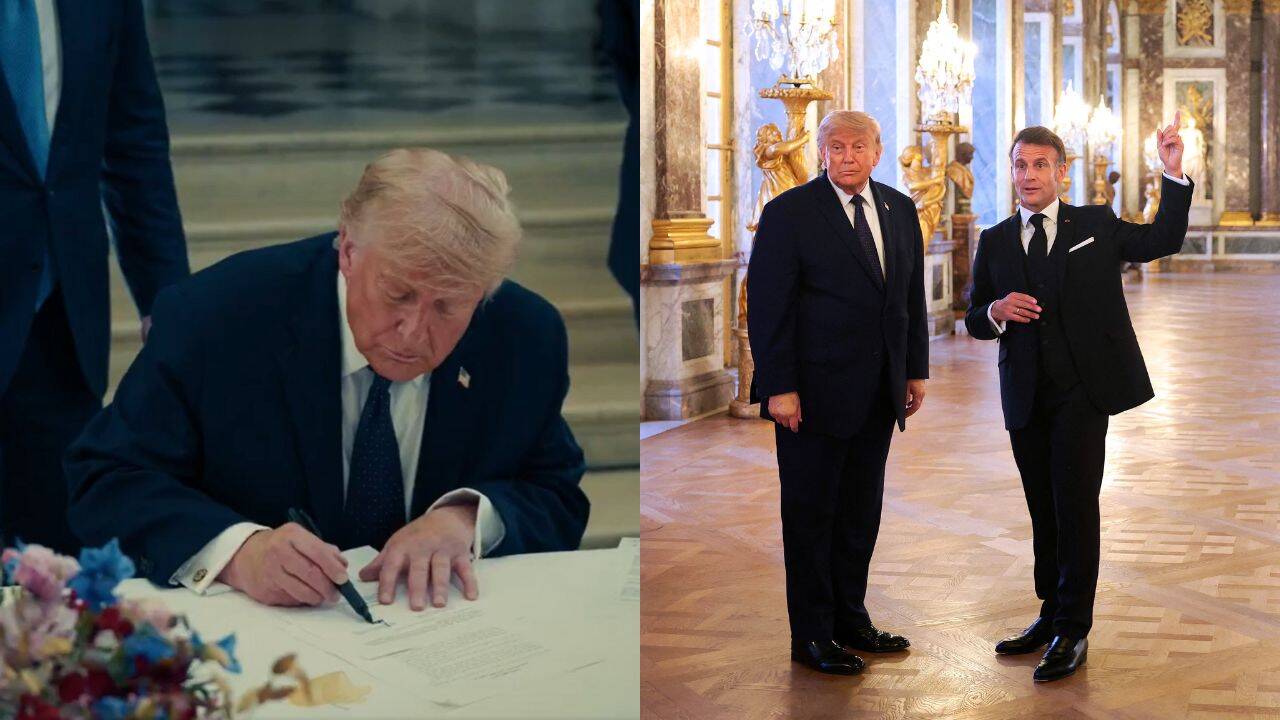
The United States has launched new strikes against Iran, marking the end of the June 17 ceasefire. This move comes after Iran targeted tankers in the Strait of Hormuz, a strategic waterway that is crucial for global oil shipments.
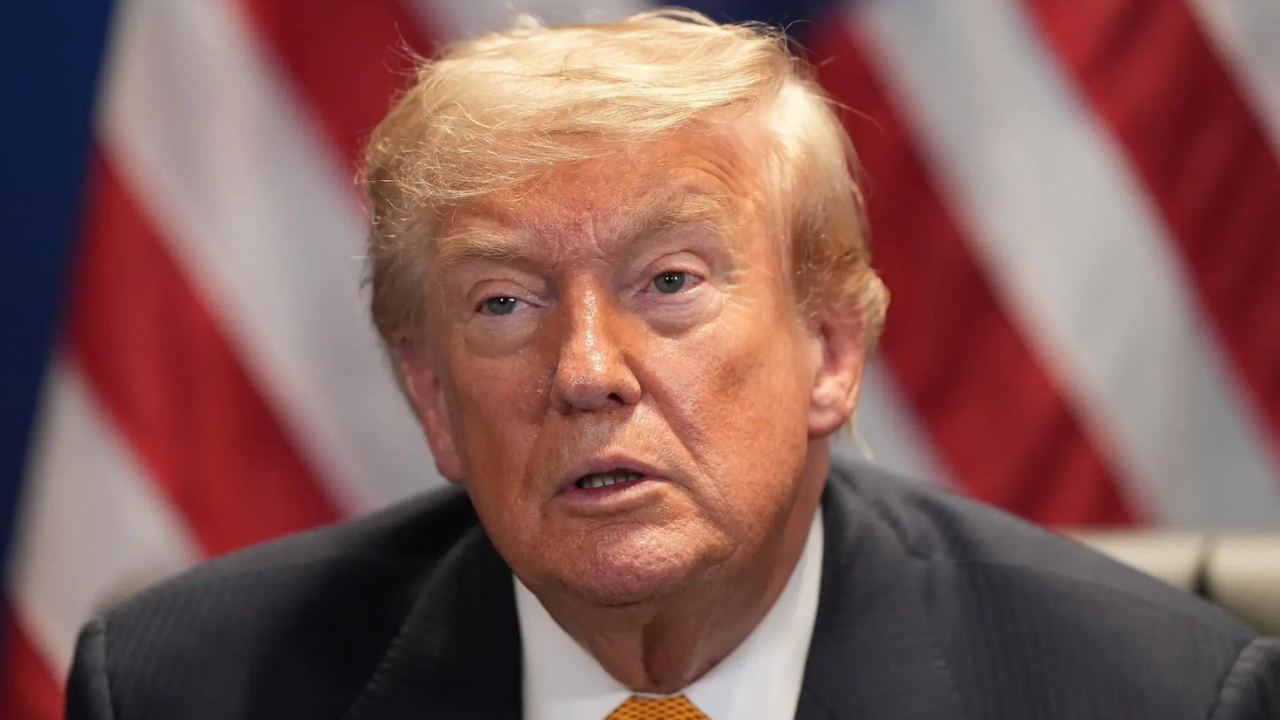
President Trump ordered the fresh US strikes, escalating tensions between the two nations. Iran has responded by vowing not to back down, indicating that the conflict is far from over. The situation is now characterized by managed instability, with both sides engaging in periodic attacks and negotiations.
The tempo of the conflict is largely controlled by Iran's ability to disrupt oil shipments in the Strait of Hormuz. This has significant implications for the global economy, as any disruption to oil supplies can have far-reaching consequences. The US and its allies are keenly aware of the importance of maintaining stability in the region, but Iran's actions have made it clear that it will not be intimidated.
Both the US and Iran face significant pressures, with neither side in a decisive position to end the war. The US is under pressure to protect its interests and allies in the region, while Iran is determined to resist what it sees as US aggression. This has created a situation where neither side is willing to back down, leading to a cycle of violence and retaliation.
The Strait of Hormuz is a critical waterway, with over 20% of the world's oil passing through it every day. Any disruption to oil shipments in the region can have significant consequences for the global economy, making it a key factor in the ongoing conflict. The US and its allies are working to maintain stability in the region, but Iran's actions have made it clear that it will not be easily swayed.
The international community is watching the situation with bated breath, as the consequences of a full-scale war between the US and Iran could be catastrophic. The United Nations and other global organizations have called for calm and restraint, but so far, their efforts have had little impact.
As the situation continues to escalate, it is clear that the conflict between the US and Iran is far from over. With both sides dug in and refusing to back down, the likelihood of a negotiated settlement seems remote. Instead, the world may be facing a prolonged period of managed instability, with periodic attacks and negotiations becoming the new normal.
The implications of this conflict are far-reaching, with significant consequences for the global economy and regional stability. As the situation continues to unfold, one thing is clear: the world is watching with bated breath, hoping that a way can be found to bring peace and stability to the region.
In the end, the outcome of this conflict will have significant implications for the world. The US and Iran must find a way to negotiate a peaceful settlement, or risk plunging the region into chaos. The international community must also play a role in promoting calm and restraint, and working towards a resolution that benefits all parties involved.