Dipke Targets PM Modi Over Forgiveness Video
Dipke criticizes PM Modi, questions sincerity of forgiveness video
'%3E%3Crect%20width%3D'96'%20height%3D'96'%20fill%3D'%231A5276'%2F%3E%3Ccircle%20cx%3D'30'%20cy%3D'24'%20r%3D'44'%20fill%3D'%23fff'%20opacity%3D'.12'%2F%3E%3Ccircle%20cx%3D'60'%20cy%3D'74'%20r%3D'40'%20fill%3D'%23000'%20opacity%3D'.10'%2F%3E%3C%2Fg%3E%3Cg%20fill%3D'%23fff'%3E%3Cpath%20d%3D'M31%2041%20L48%2031%20L65%2041%20Z'%2F%3E%3Crect%20x%3D'33'%20y%3D'43'%20width%3D'4'%20height%3D'17'%2F%3E%3Crect%20x%3D'41'%20y%3D'43'%20width%3D'4'%20height%3D'17'%2F%3E%3Crect%20x%3D'51'%20y%3D'43'%20width%3D'4'%20height%3D'17'%2F%3E%3Crect%20x%3D'59'%20y%3D'43'%20width%3D'4'%20height%3D'17'%2F%3E%3Crect%20x%3D'30'%20y%3D'62'%20width%3D'36'%20height%3D'4'%20rx%3D'1'%2F%3E%3C%2Fg%3E%3C%2Fsvg%3E)
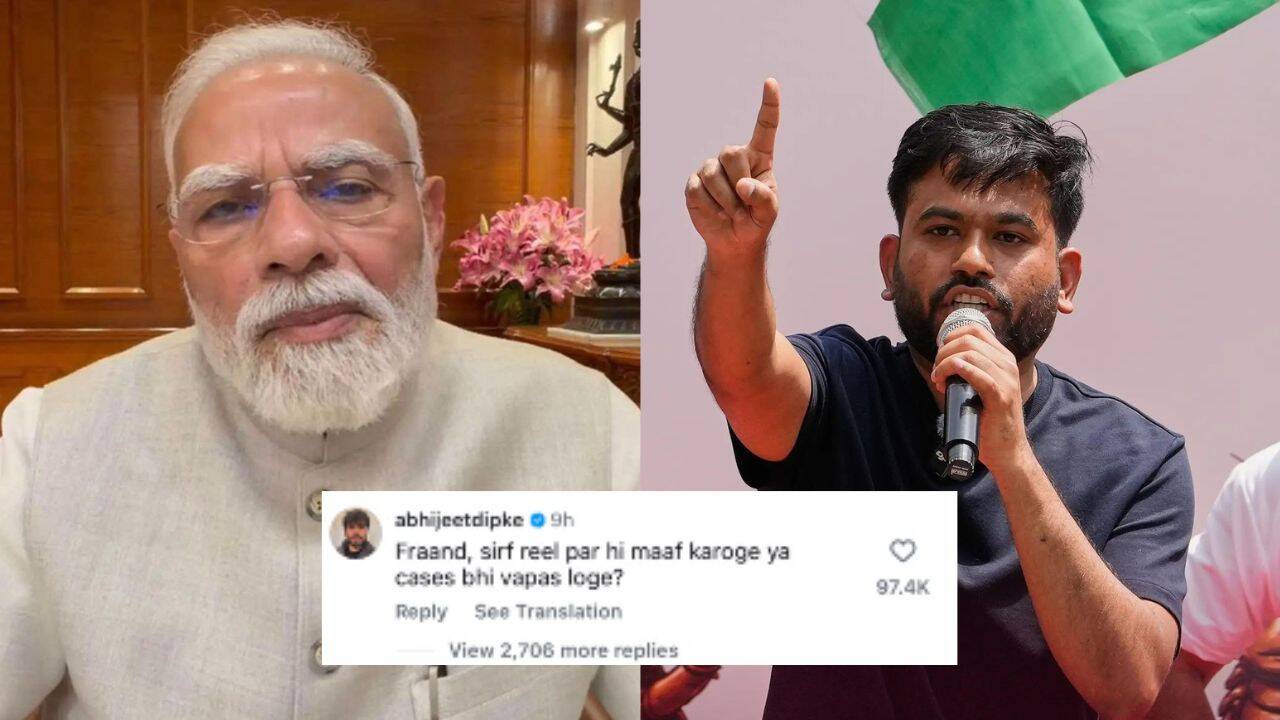
Dipke recently took a dig at Prime Minister Narendra Modi over a video where the PM spoke about forgiveness. Dipke's criticism came in the form of a question, asking if the PM's words of forgiveness were only limited to the video or if he would actually take concrete steps to withdraw cases against those who have been wronged.
The video in question featured PM Modi speaking about the importance of forgiveness and letting go of past grievances. However, Dipke's response suggested that the PM's words were hollow and that he needed to take tangible actions to back up his claims.
Dipke's criticism of the PM is not an isolated incident, as the two have been at odds on several occasions in the past. The latest salvo from Dipke is likely to escalate the tensions between the two and spark a fresh debate about the PM's intentions and actions.
The concept of forgiveness is a complex one, and it is often difficult to distinguish between genuine remorse and mere rhetoric. In the context of politics, forgiveness can be a powerful tool for healing and reconciliation, but it can also be used as a means to score points or gain popularity.
The PM's video on forgiveness was likely intended to convey a sense of empathy and understanding, but Dipke's response has raised questions about the sincerity of the message. If the PM is truly committed to forgiveness, then he needs to take concrete steps to demonstrate his commitment, such as withdrawing cases against those who have been wronged or taking steps to address the grievances of marginalized communities.
The incident highlights the challenges of political discourse in India, where rhetoric often overshadows reality. It is easy to make grand statements or release videos with lofty messages, but it is much harder to take concrete actions that demonstrate a genuine commitment to change.
In the end, the sincerity of the PM's message will be judged by his actions, not just his words. If he is truly committed to forgiveness, then he needs to take tangible steps to back up his claims. Otherwise, his words will be seen as nothing more than a publicity stunt.
The debate sparked by Dipke's criticism of the PM is likely to continue in the coming days, with many weighing in on the issue of forgiveness and the PM's intentions. As the conversation unfolds, it will be important to separate rhetoric from reality and to hold leaders accountable for their actions, not just their words.
The incident also raises questions about the role of social media in political discourse. While social media can be a powerful tool for spreading messages and mobilizing support, it can also be used to manipulate public opinion or create a false narrative. In this case, the PM's video on forgiveness was likely intended to create a positive narrative, but Dipke's response has raised questions about the sincerity of the message.
In conclusion, the incident highlights the complexities of political discourse in India and the challenges of distinguishing between genuine remorse and mere rhetoric. It also underscores the importance of holding leaders accountable for their actions, not just their words.
Frequently asked questions
What was Dipke's response to PM Modi's forgiveness video?
Dipke criticized the PM's video, asking if his words of forgiveness were only limited to the video or if he would actually take concrete steps to withdraw cases against those who have been wronged.
What is the context of the debate sparked by Dipke's criticism?
The debate is about the sincerity of PM Modi's message of forgiveness and whether he will take tangible steps to back up his claims.