US Frustrated with Israel's Syria Strikes
Tensions rise between US and Israel, US officials express frustration
'%3E%3Crect%20width%3D'96'%20height%3D'96'%20fill%3D'%234A235A'%2F%3E%3Ccircle%20cx%3D'30'%20cy%3D'24'%20r%3D'44'%20fill%3D'%23fff'%20opacity%3D'.12'%2F%3E%3Ccircle%20cx%3D'60'%20cy%3D'74'%20r%3D'40'%20fill%3D'%23000'%20opacity%3D'.10'%2F%3E%3C%2Fg%3E%3Cg%20fill%3D'none'%20stroke%3D'%23fff'%20stroke-width%3D'3'%3E%3Ccircle%20cx%3D'48'%20cy%3D'48'%20r%3D'16'%2F%3E%3Cellipse%20cx%3D'48'%20cy%3D'48'%20rx%3D'6.5'%20ry%3D'16'%2F%3E%3Cline%20x1%3D'32'%20y1%3D'42'%20x2%3D'64'%20y2%3D'42'%2F%3E%3Cline%20x1%3D'32'%20y1%3D'54'%20x2%3D'64'%20y2%3D'54'%2F%3E%3C%2Fg%3E%3C%2Fsvg%3E)
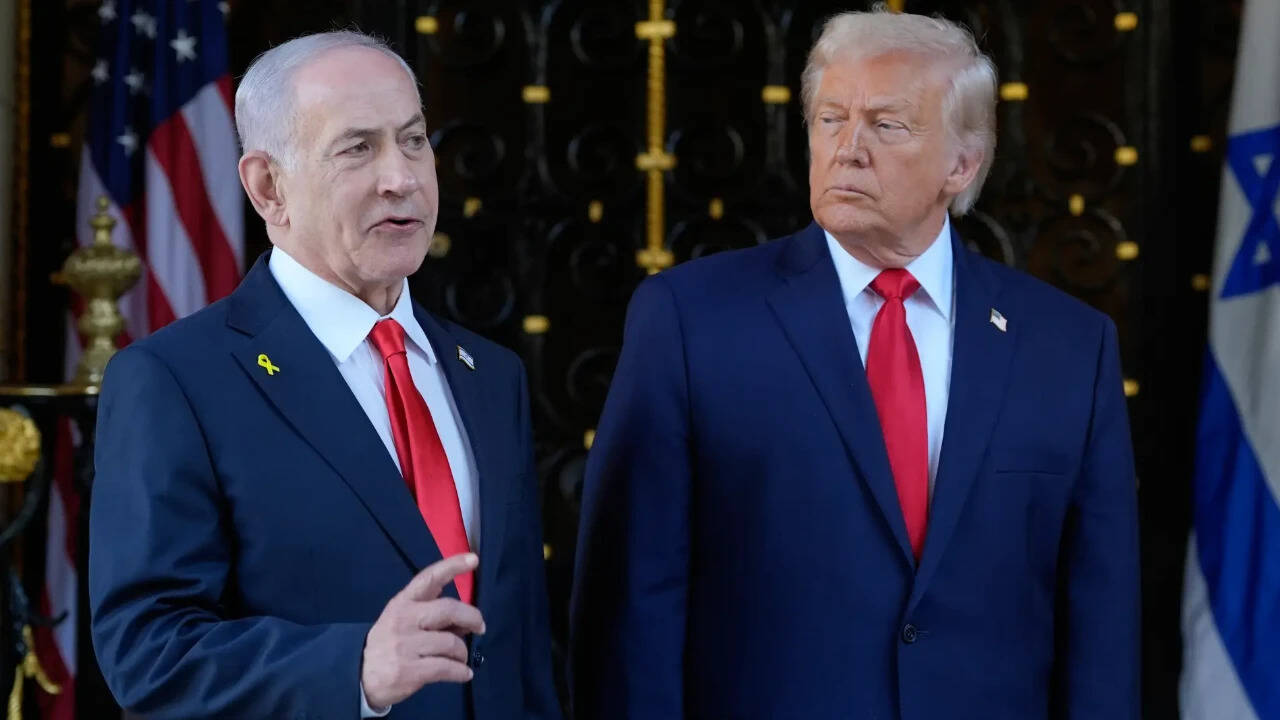
The United States and Israel are experiencing increased tensions due to Israel's ongoing strikes in Syria. According to reports, US officials have expressed frustration over these strikes, which have been targeting Iranian and Hezbollah forces in the region.
The Israeli government, led by Prime Minister Benjamin Netanyahu, has been conducting these strikes in an effort to prevent the establishment of a permanent Iranian military presence in Syria. However, US officials are concerned that these actions may escalate the conflict and undermine their own efforts to defeat ISIS in the region.
The US and Israel have historically enjoyed a strong alliance, but recent developments have put a strain on their relationship. The Trump administration has been critical of Israel's settlement expansion policies, and Netanyahu has been at odds with the US over the Iran nuclear deal.
The situation in Syria is complex, with multiple factions vying for control. The US has been working to defeat ISIS, while also trying to prevent the spread of Iranian influence in the region. Israel, on the other hand, is focused on preventing the establishment of a permanent Iranian military presence on its border.
The US officials' frustration with Israel's actions in Syria is likely due to the fact that these strikes are being carried out without coordination with the US military. This lack of coordination has led to concerns that the strikes may inadvertently harm US personnel or interests in the region.
The tensions between the US and Israel are not new, but they have been exacerbated by the recent developments in Syria. The US is trying to navigate a complex web of alliances and rivalries in the region, while also trying to achieve its own strategic objectives.
In the context of the Middle East, the relationship between the US and Israel is crucial. The two countries have a long history of cooperation, and the US has traditionally been a strong supporter of Israel. However, the current tensions between the two countries are a cause for concern, as they may have significant implications for the region.
The situation in Syria is likely to continue to be a source of tension between the US and Israel. As the conflict continues to evolve, it is likely that the US and Israel will have to navigate their differences in order to achieve their respective objectives.
In terms of significance, the tensions between the US and Israel are important because they have the potential to impact the balance of power in the Middle East. The US and Israel have traditionally been close allies, but the current tensions between them may create an opportunity for other countries to fill the gap.
Overall, the situation in Syria is complex, and the tensions between the US and Israel are just one aspect of a larger conflict. As the situation continues to evolve, it is likely that the US and Israel will have to work to navigate their differences in order to achieve their respective objectives.
The US and Israel will need to find a way to balance their competing interests in the region, while also working to prevent the spread of Iranian influence. This will require careful diplomacy and coordination, as well as a willingness to compromise on key issues.
In conclusion, the tensions between the US and Israel are a cause for concern, as they have the potential to impact the balance of power in the Middle East. The US and Israel will need to work to navigate their differences in order to achieve their respective objectives, and to prevent the spread of Iranian influence in the region.
Frequently asked questions
Why are US officials frustrated with Israel's Syria strikes?
US officials are frustrated because the strikes are being carried out without coordination with the US military, and may escalate the conflict and undermine US efforts to defeat ISIS.
What is the main goal of Israel's strikes in Syria?
The main goal of Israel's strikes in Syria is to prevent the establishment of a permanent Iranian military presence on its border.