Bombay HC Denies Relief to Rum Maker
Rum maker to change label, HC refuses sales curb relief
'%3E%3Crect%20width%3D'96'%20height%3D'96'%20fill%3D'%23B3261E'%2F%3E%3Ccircle%20cx%3D'30'%20cy%3D'24'%20r%3D'44'%20fill%3D'%23fff'%20opacity%3D'.12'%2F%3E%3Ccircle%20cx%3D'60'%20cy%3D'74'%20r%3D'40'%20fill%3D'%23000'%20opacity%3D'.10'%2F%3E%3C%2Fg%3E%3Cg%20fill%3D'%23fff'%3E%3Crect%20x%3D'29'%20y%3D'49'%20width%3D'8'%20height%3D'19'%20rx%3D'1'%2F%3E%3Crect%20x%3D'39'%20y%3D'40'%20width%3D'9'%20height%3D'28'%20rx%3D'1'%2F%3E%3Crect%20x%3D'50'%20y%3D'45'%20width%3D'8'%20height%3D'23'%20rx%3D'1'%2F%3E%3Crect%20x%3D'60'%20y%3D'53'%20width%3D'7'%20height%3D'15'%20rx%3D'1'%2F%3E%3Crect%20x%3D'41'%20y%3D'34'%20width%3D'5'%20height%3D'6'%2F%3E%3C%2Fg%3E%3C%2Fsvg%3E)
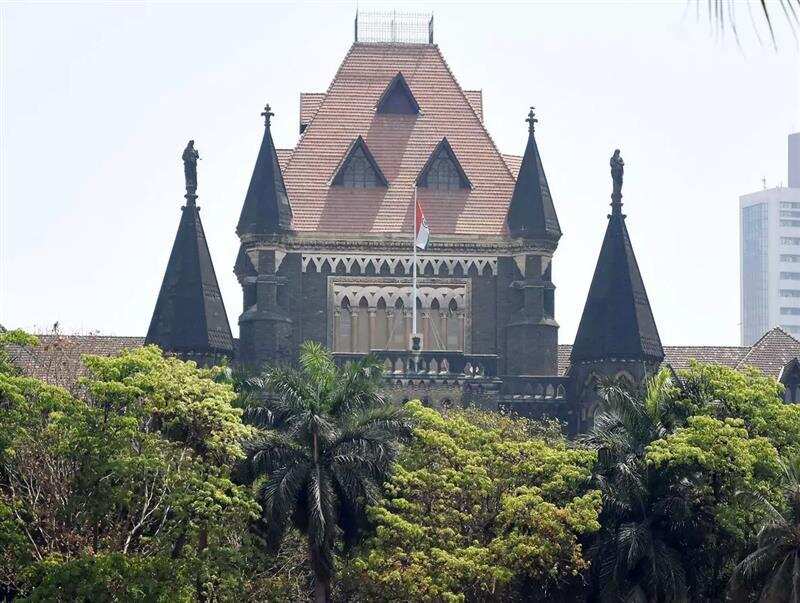
The Bombay High Court has refused to grant relief to a rum manufacturer who had challenged a sales curb imposed on their product. The rum maker had approached the court seeking to lift the restriction on the sale of their product, but the court denied their plea.
The rum manufacturer had been directed to change the label on their product, which they have now agreed to do. The court's decision comes after the rum maker submitted that they would make the necessary changes to the label as directed.
The case pertains to a dispute over the labeling of the rum product, with the authorities claiming that the label was misleading. The rum manufacturer had argued that the label was not misleading and that the sales curb was unfair.
The Bombay High Court is the highest court in the state of Maharashtra and has the power to interpret laws and decide on disputes. The court's decision in this case highlights the importance of accurate labeling on products, particularly in the food and beverage industry.
In recent years, there have been several cases of misleading labeling on products, which has led to consumer confusion and mistrust. The authorities have been cracking down on such practices, and the court's decision in this case is a reflection of this trend.
The rum manufacturer's decision to change the label on their product is a positive step, as it will help to avoid any further confusion among consumers. The company's agreement to make the necessary changes also highlights their commitment to complying with the law and respecting the rights of consumers.
The case has significant implications for the food and beverage industry, as it highlights the importance of accurate labeling and compliance with regulations. Companies that fail to comply with labeling regulations can face serious consequences, including sales curbs and legal action.
In conclusion, the Bombay High Court's decision to refuse relief to the rum manufacturer is a significant development in the case. The company's agreement to change the label on their product is a positive step, and the case highlights the importance of accurate labeling and compliance with regulations.
The decision is also a reflection of the court's commitment to protecting the rights of consumers and ensuring that companies comply with the law. As the food and beverage industry continues to grow and evolve, it is likely that there will be more cases related to labeling and compliance in the future.
The Bombay High Court's decision in this case will be closely watched by companies in the industry, as it sets a precedent for the importance of accurate labeling and compliance with regulations. The case is a reminder that companies must prioritize the rights of consumers and comply with the law in order to avoid serious consequences.
The rum manufacturer's decision to change the label on their product is a significant development in the case, and it highlights the importance of compliance with regulations. The company's commitment to respecting the rights of consumers is a positive step, and it is likely that the case will have significant implications for the food and beverage industry in the future.
The court's decision is a reflection of the growing trend of authorities cracking down on misleading labeling practices. The case is a reminder that companies must prioritize accuracy and transparency in their labeling practices, and that failure to comply with regulations can have serious consequences.
In the end, the Bombay High Court's decision to refuse relief to the rum manufacturer is a significant development in the case. The company's agreement to change the label on their product is a positive step, and the case highlights the importance of accurate labeling and compliance with regulations.
Frequently asked questions
Why did the Bombay HC refuse relief to the rum maker?
The Bombay HC refused relief to the rum maker because the company agreed to change the label on their product, which was deemed misleading.
What is the significance of the case?
The case highlights the importance of accurate labeling and compliance with regulations in the food and beverage industry.