E20 Fuel May Damage Older Vehicles' Rubber Parts
E20 fuel affects rubber components, increases fuel consumption. ARAI report reveals potential issues.

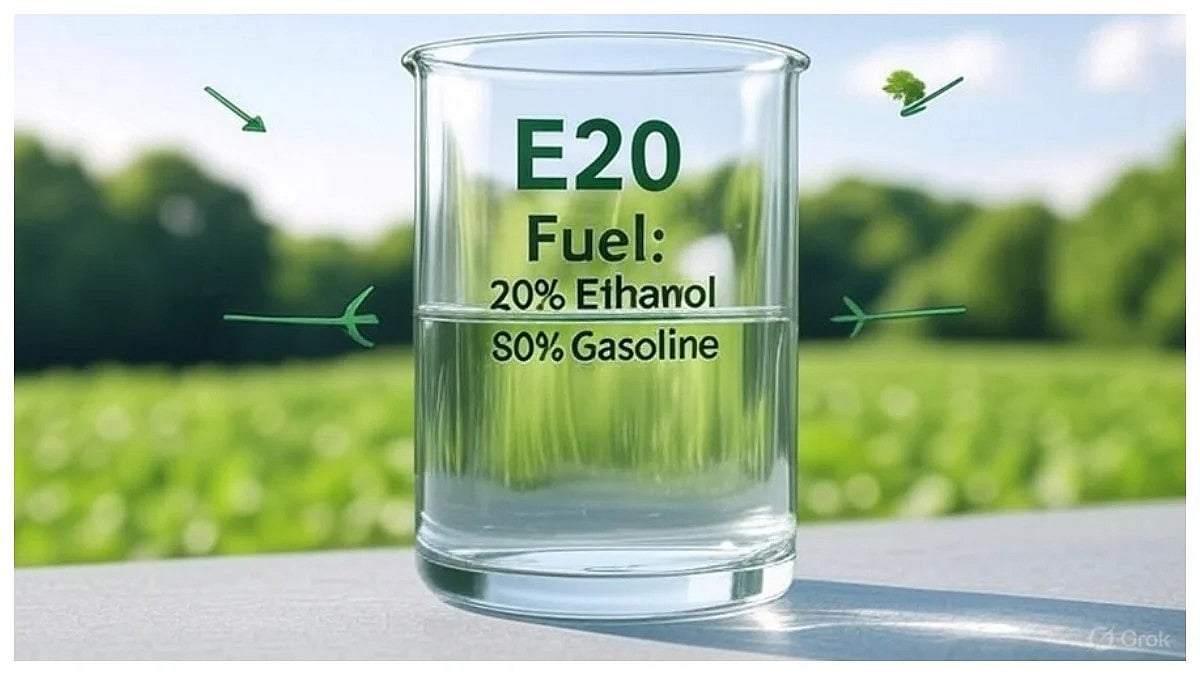
A recent report by the Automotive Research Association of India (ARAI) has found that E20 ethanol fuel may cause damage to rubber parts in older vehicles. The report, which was used as a reference by the government and vehicle manufacturers, stated that hoses, gaskets, seals, and O-rings in E10-compliant vehicles may need replacement when run on E20 fuel.
The ARAI report revealed that rubber components in fuel systems of E10-compliant vehicles showed visible deterioration when run on E20 fuel. However, the report did not specify a timeline for replacement. The study also found that E20 fuel caused no damage to metallic components, and tailpipe emissions stayed within legislative limits set for E10-compatible vehicles.
According to the report, engine durability tests threw up mixed results across manufacturers. A BS-IV engine performed acceptably on E20, but a BS-VI turbocharged engine ran into trouble after 265 hours of testing. Two four-wheeler OEMs conducted separate durability tests, with one reporting no issues after 400 hours, and the other recording valve failure caused by combined heat and mechanical stress after 809 hours.
Experts pointed out that durability tests are typically conducted over 2,000 hours, longer than the duration at which the failure was recorded. They also noted that other factors could have contributed to the failure in the second case. Two-wheeler manufacturers, on the other hand, reported no problems with E20 fuel, with performance rated acceptable.
The ARAI report also found that fuel consumption rose between 2% and 6% compared to E10, though the increase varied by vehicle. Evaporative emissions remained within legislative limits, and startability and drivability were rated satisfactory on E20. The report's findings have significant implications for vehicle owners, as they may need to replace rubber components in their vehicles if they switch to E20 fuel.
The increased fuel consumption could also affect the overall cost of ownership for vehicle owners. However, it is worth noting that the report's findings are based on tests conducted on a limited number of vehicles, and more research may be needed to fully understand the effects of E20 fuel on older vehicles. As the government continues to push for the adoption of E20 fuel, vehicle manufacturers and owners will need to carefully consider the potential risks and benefits of this transition.
In light of these findings, Ford India has flagged the risk of using E20 fuel in older cars, citing warranty concerns. Mahindra, on the other hand, has stated that its E20-compatible cars are ready for India's fuel transition. As the debate over E20 fuel continues, one thing is clear: vehicle owners will need to be aware of the potential risks and benefits of this new fuel type, and take steps to ensure that their vehicles are compatible with E20 fuel.